
Date: May 5, 2026
Venue: Matriniketan
WATCH:
RECORDING
SEE:
Gallery of photographs
Sri Aurobindo once said that music “goes nearest to the infinite and to the essence of things because it relies wholly on the ethereal vehicle, śabda” (CWSA, 27: 681).
In March 2025 a soulful lecture-demonstration programme titled ‘Sangeet Sandhya’, was organised by BhāratShakti, Sri Aurobindo Society. Starting with a short history of the evolution of Indian classical music going back in time to the Vedic period and the Vedic hymns which were the first expressions of music in Bharat, that programme gradually focused more on the evolution and variety in Hindustani Classical Music.
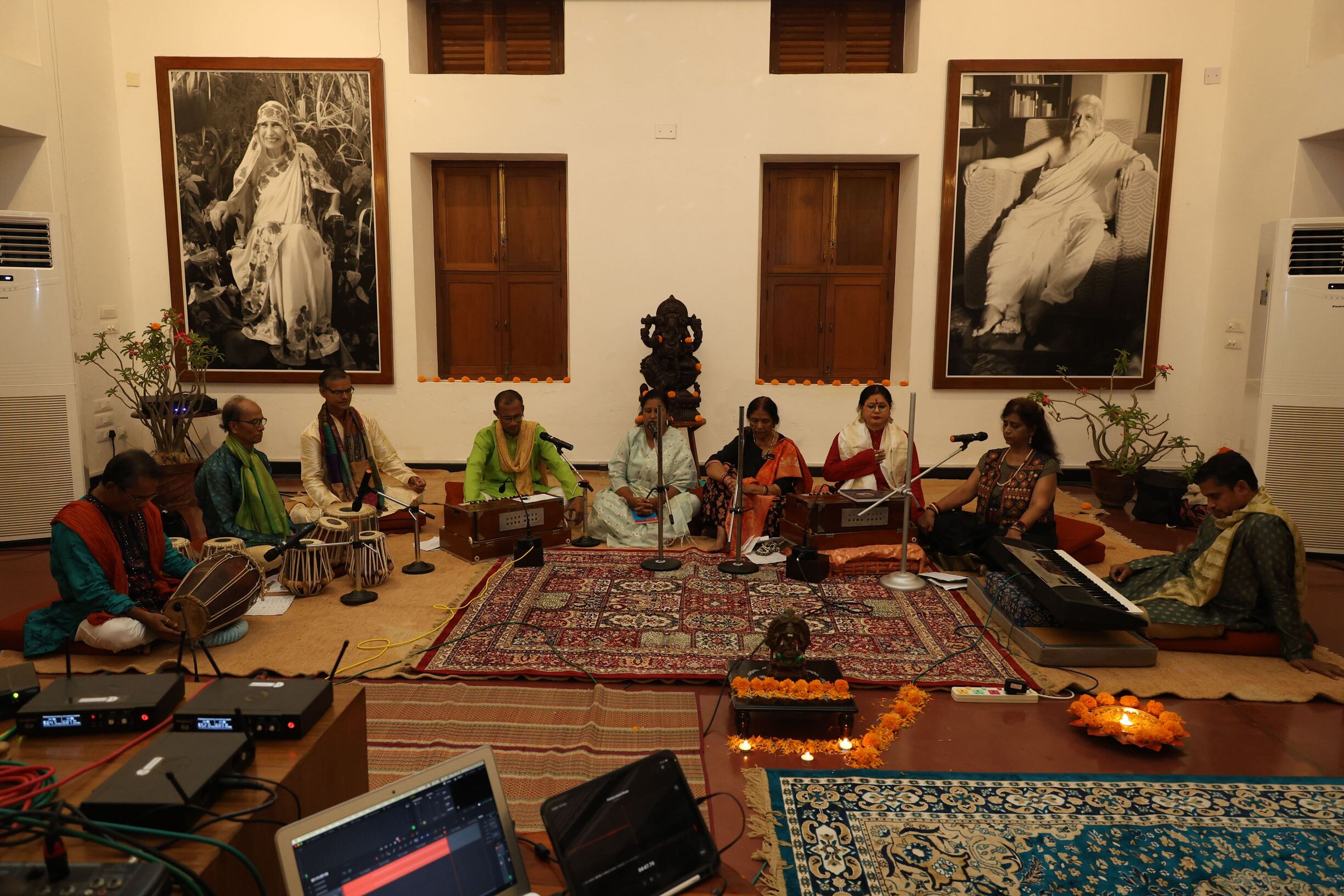
The Sangeet Sandhya programme concluded with bhakti sangeet that emerged from within the Hindustani classical music tradition. In a conversation later on, Shri Pradeep Narang, Chairman, SAS suggested that a sequel to this programme focusing on Sufi poetry and music should be arranged which should take up this theme of devotional music further. Finally, after a series of discussions, it was decided to organise such a programme on May 5, 2026 with a special focus on Sufiyana devotional music.
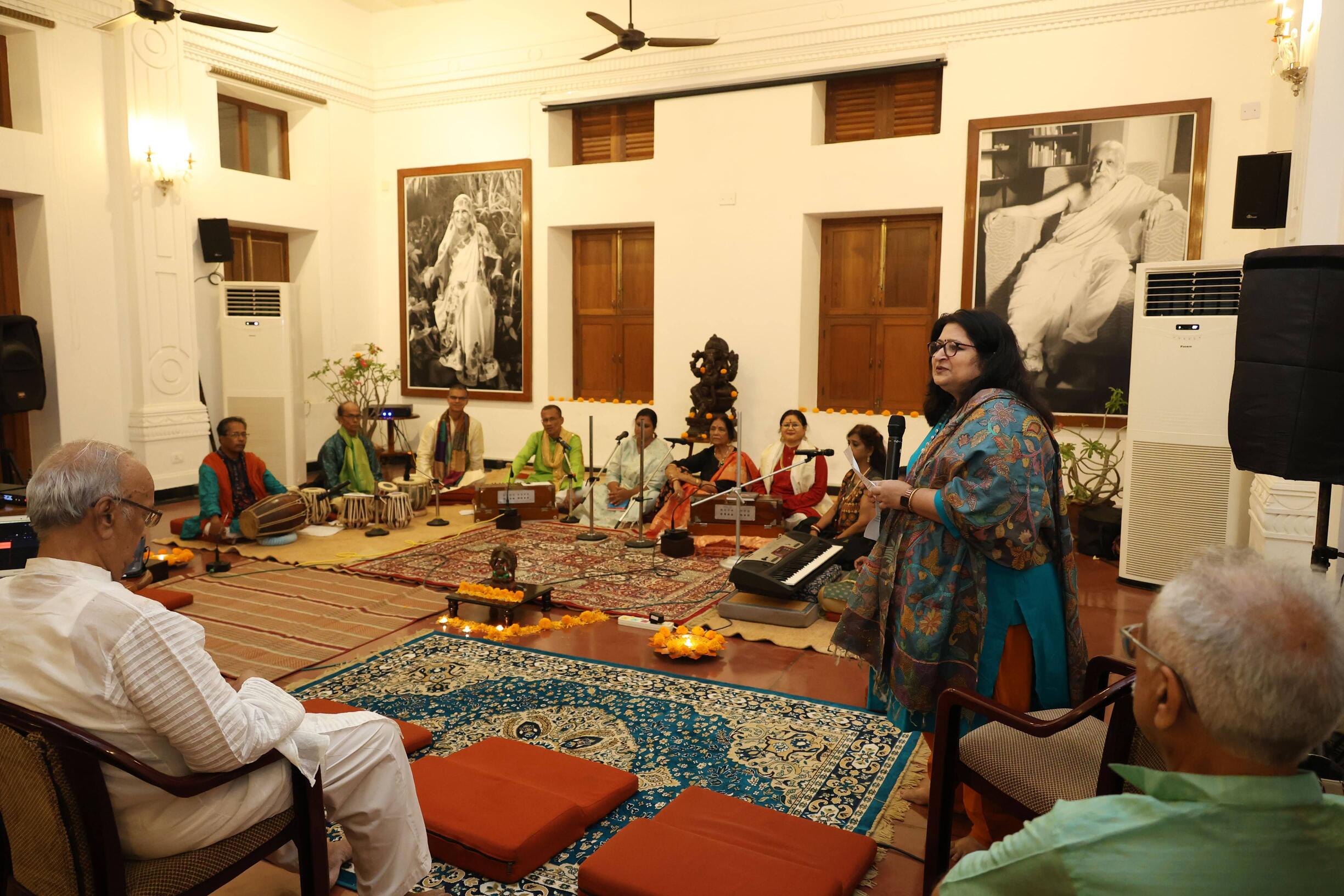
BhāratShakti, SAS was asked to take up the organisational work of this programme and it was going to be held at Matriniketan. Hence Uditam Institute of Integral Healing, SAS also became a collaborating partner for the organisational works. Selection of musicians – all of whom are connected with Sri Aurobindo Ashram, organising the rehearsals and other details concerning the performance were taken up by Smt. Deepshikha Reddy who was also the coordinator and sutradhar of the entire performance.
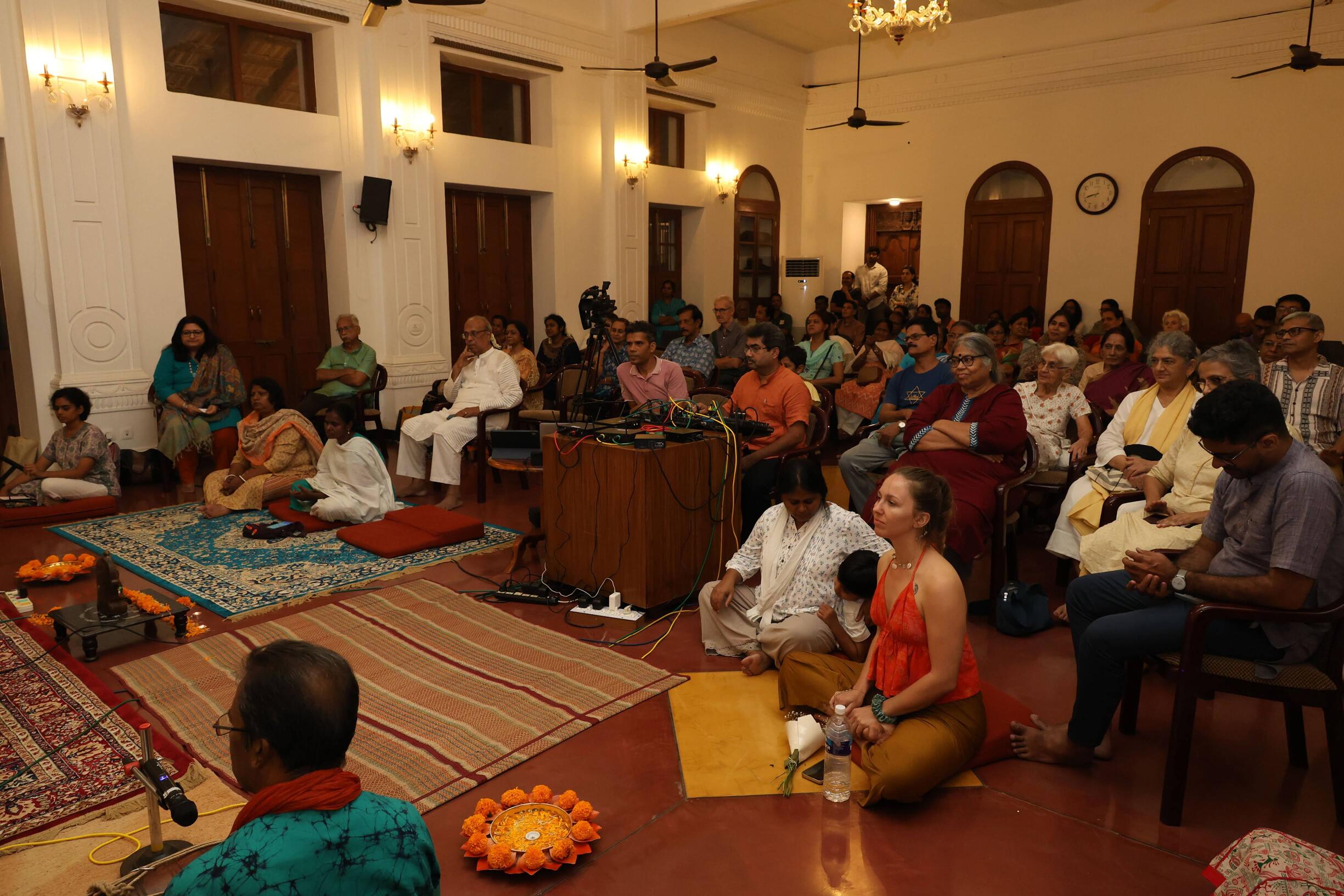
The programme on May 5, 2026 attracted more than 100 people in the audience. The hall at Matriniketan was overflowing. The musical evening began with a brief welcome address by Dr. Beloo Mehra, Director, BhāratShakti. She told the gathering that Sri Aurobindo spoke of Sufi and Vaishnava poetry as expression of devotional and mystical ways of approaching the truths of the Spirit and connecting with the Divine.
Dr. Mehra reminded that in 1912, the Mother had met the great Indian Sufi mystic and musician Hazrat Inayat Khan. And in 1953, when recounting her conversation, she said that Sufi mystics also speak of a state higher than that of adoration and surrender to the Divine, a stage when there is no longer any distinction between the devotee and the Beloved.
Music and poetry and dance have been commonly used as means of expressing the yearning for and adoration of the Divine in Sufi mysticism, said Dr. Mehra. The musical evening ‘Ibadat – Music for the Divine’ was a tribute to this tradition and has been inspired by the Mother’s wisdom that the true role of music lies in “helping the consciousness to uplift itself towards the spiritual heights”. Dr. Mehra then requested Mr. Kaushal Sharm, Member, Executive Committee, Sri Aurobindo Society to welcome and felicitate the performers by presenting an angavastram.
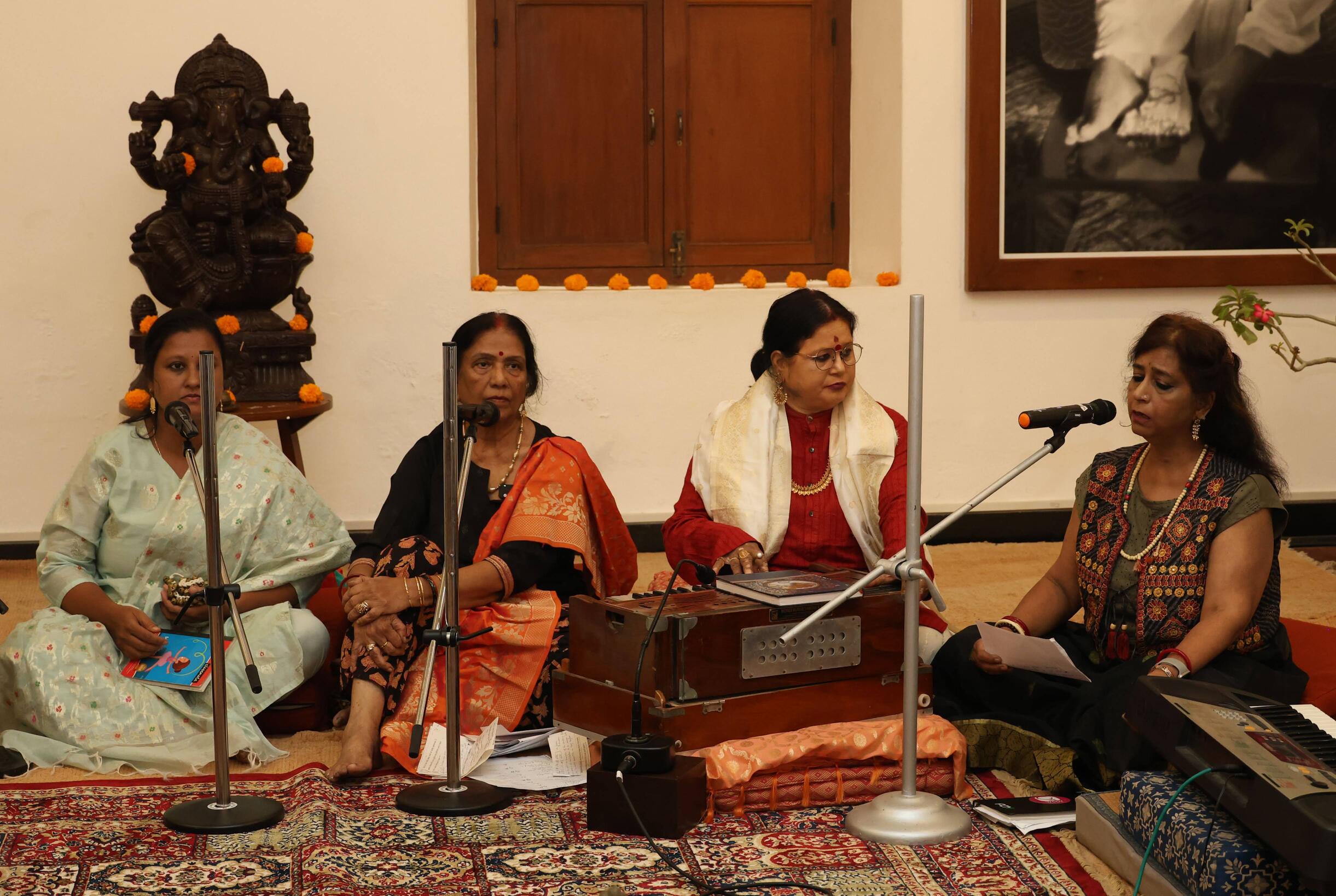
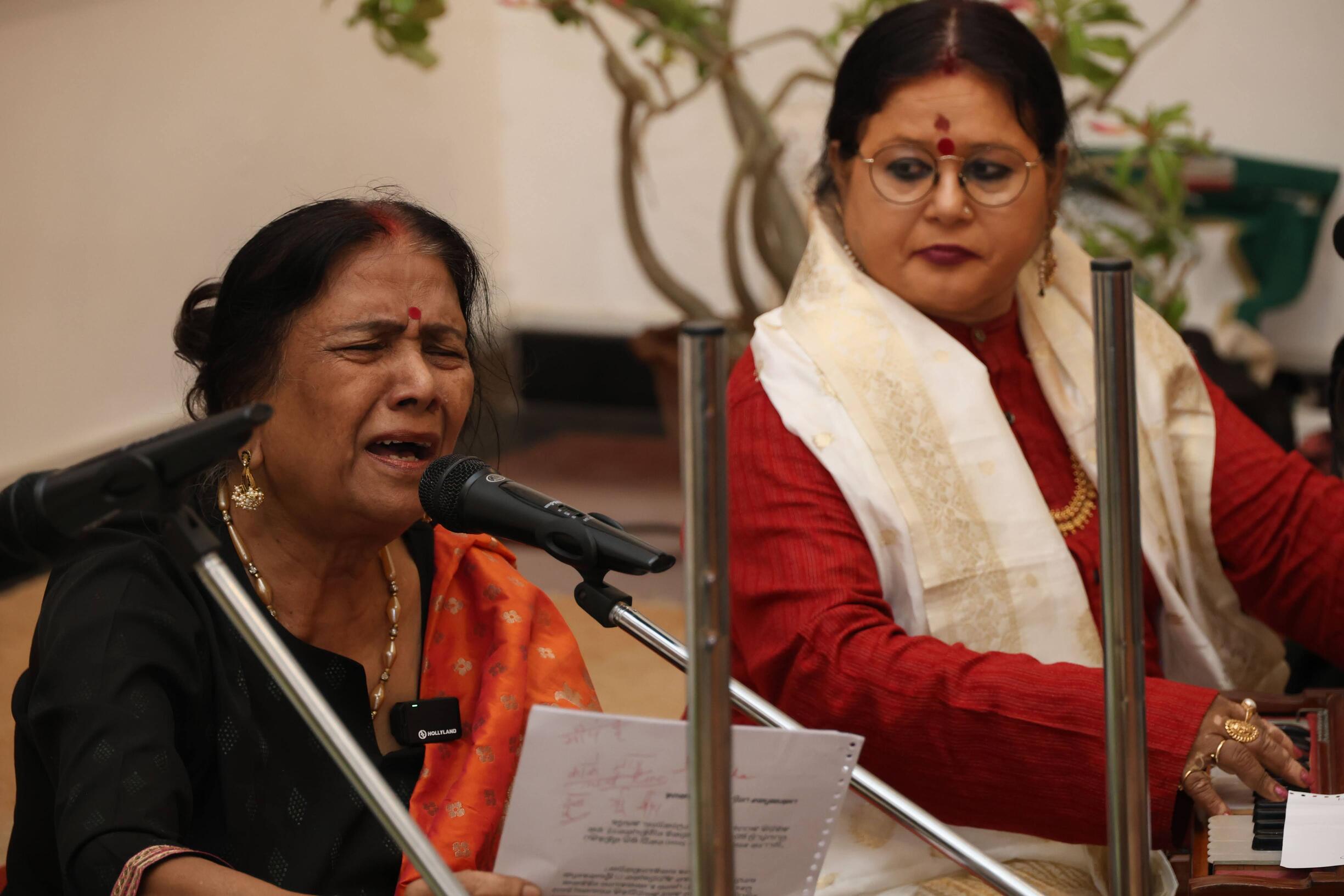
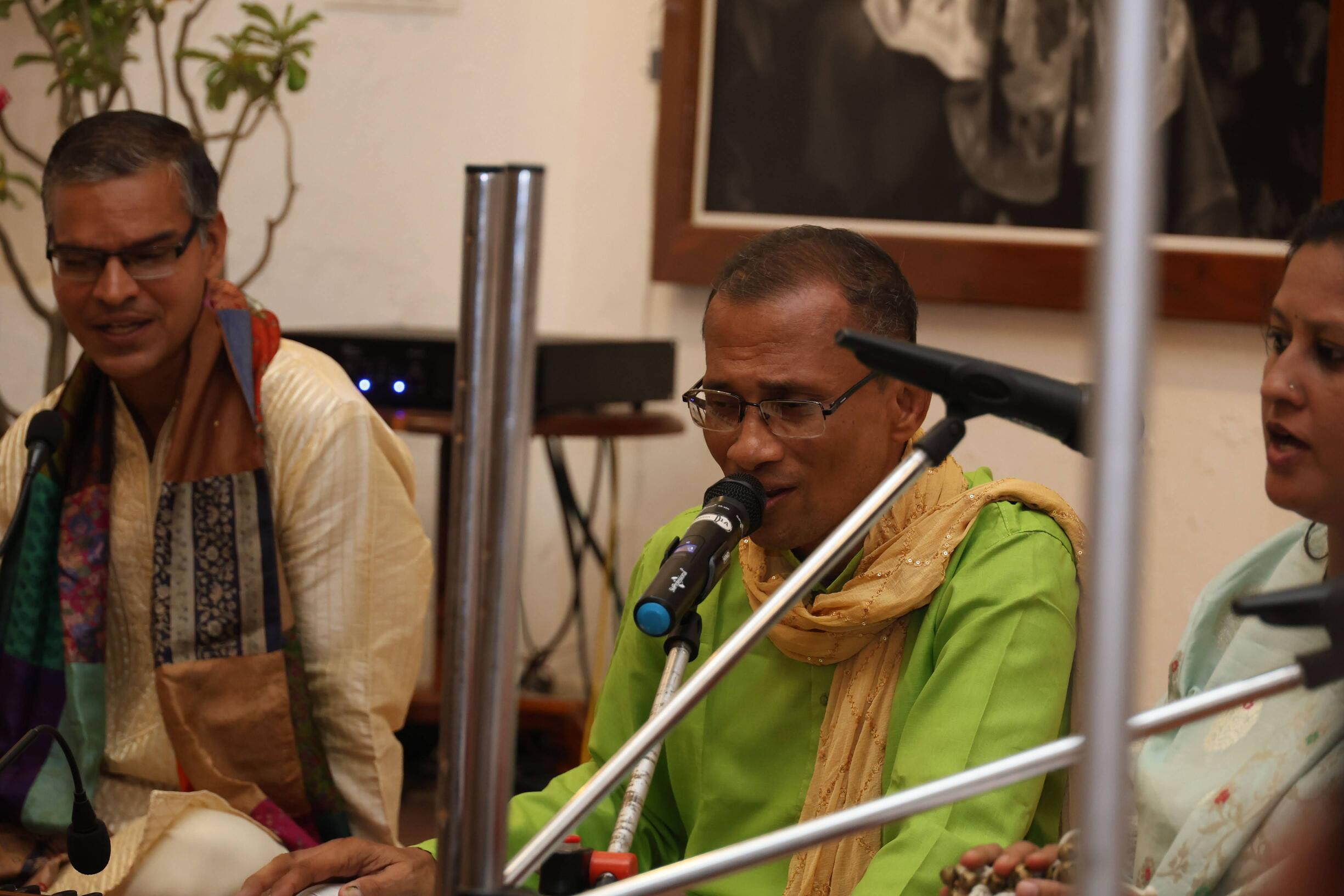
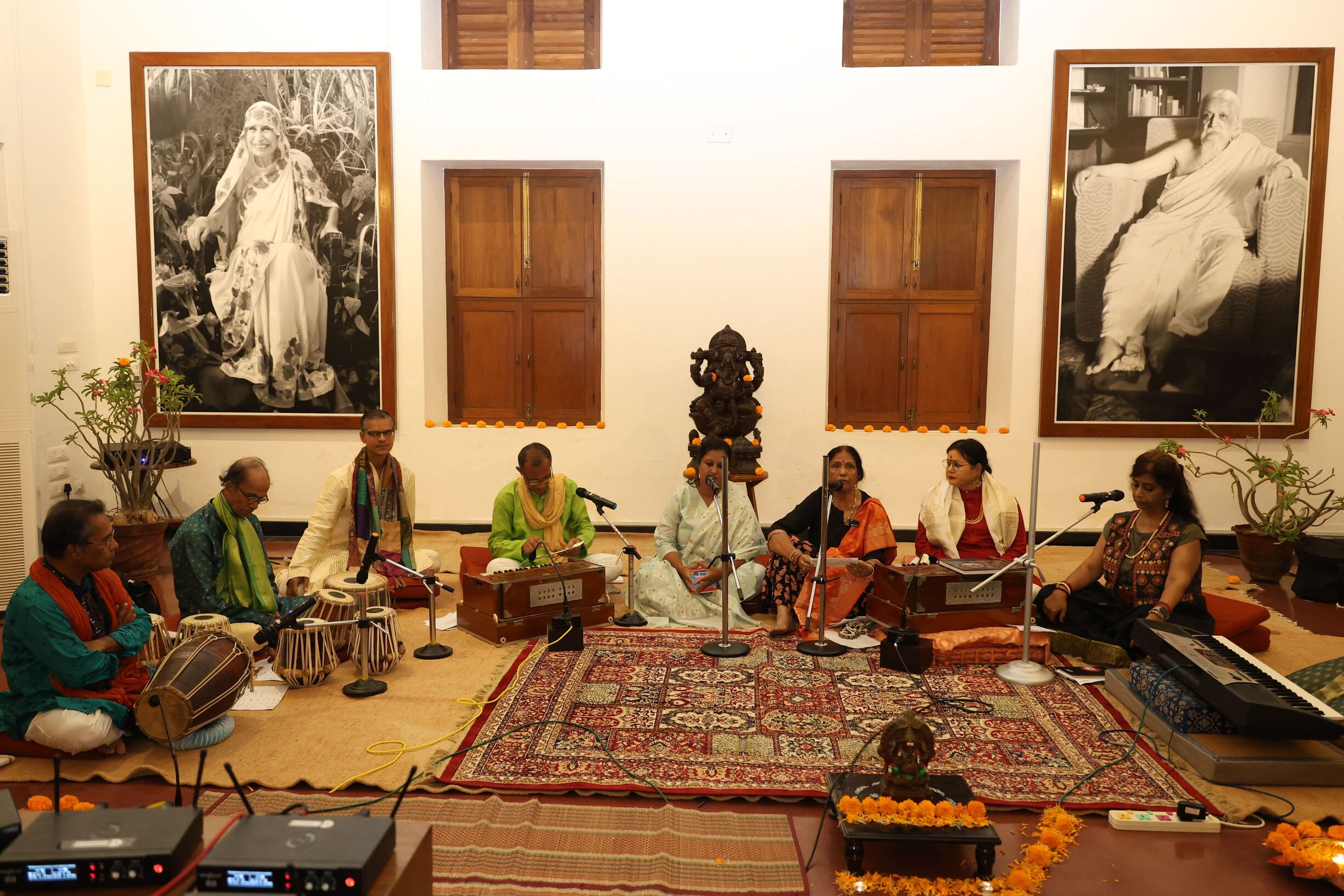
The sutradhar of the performance was Smt. Deepshikha Reddy, Educator and Administrator who is also an accomplished musician in Hindustani Classical Music. Other performers in the 9-member team were: Arjita, Gauri Shankar, Uttam, Lakshmi, Kamalini, Tapon, Yogi and Shantanu.
The programme included 9 musical offerings covering a variety of Sufi poetic and singing styles. The selections demonstrated very nicely that within the Sufi poetic tradition there has been a great diversity of literary styles celebrating multiplicity for one eternal pursuit of adoration and uniting with the Divine.
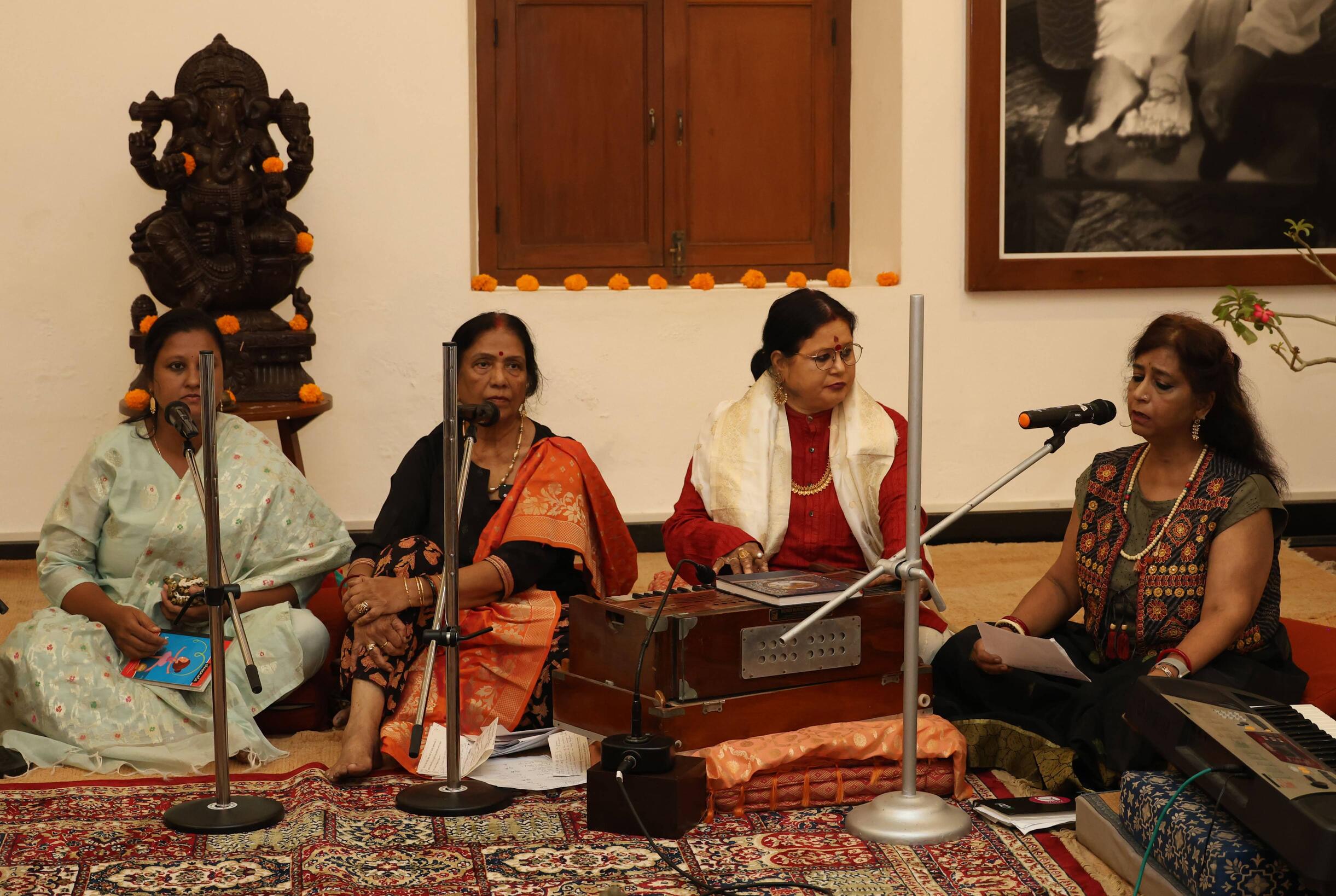
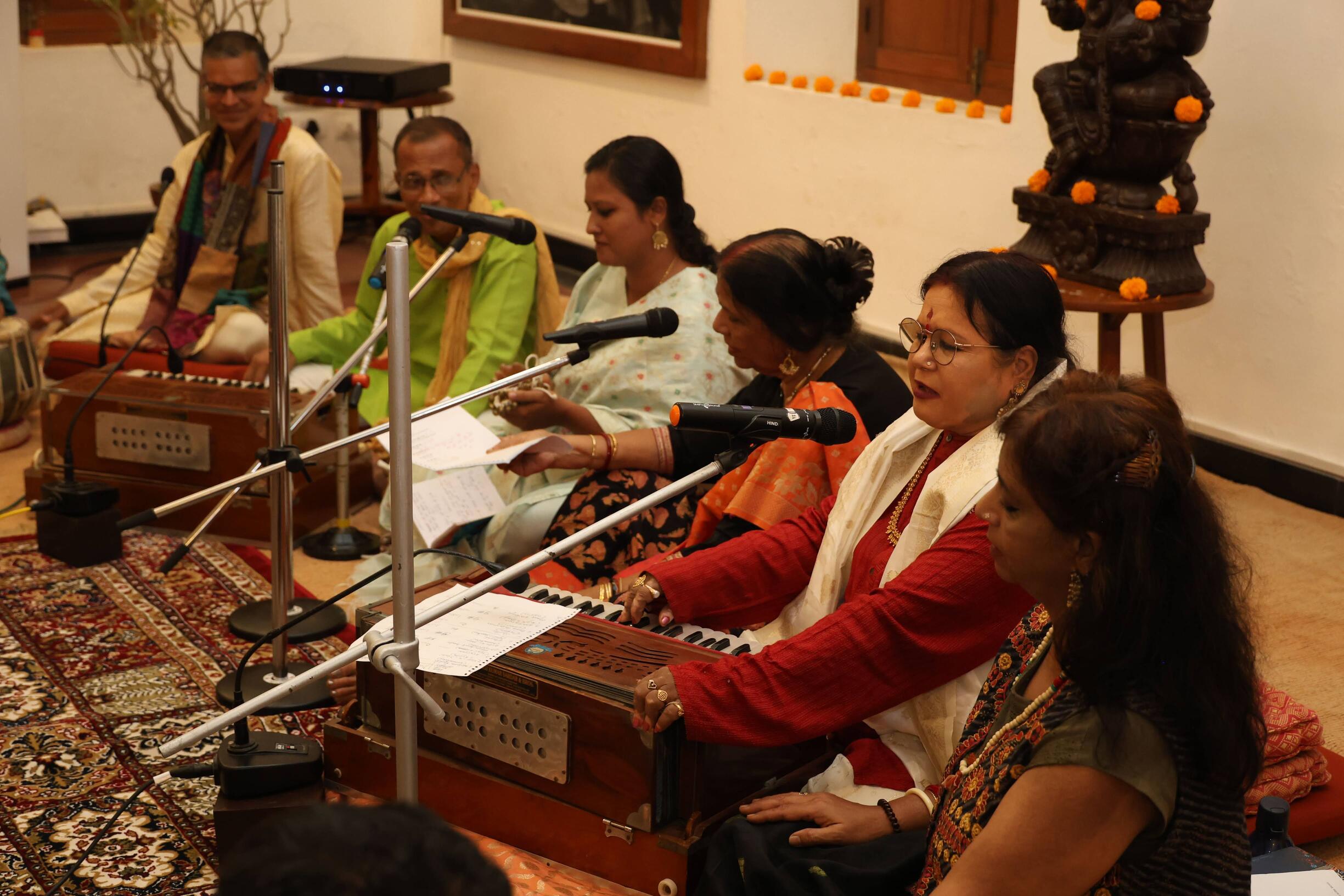
Carefully thought out selections from Amir Khusro, Kabir, Baba Farid, Bulle Shah, Nawab Sadiq Jung “Hilm” and a few others were incorporated. Throughout the programme, Smt. Deepshikha Reddy also gave brief introductions to the pieces the team was about to perform and wherever needed gave a quick summary of the essence of the poetry. She explained how most of the Sufi poetry is a yearning for union with an Impersonal Divine or Nirgun Brahman.
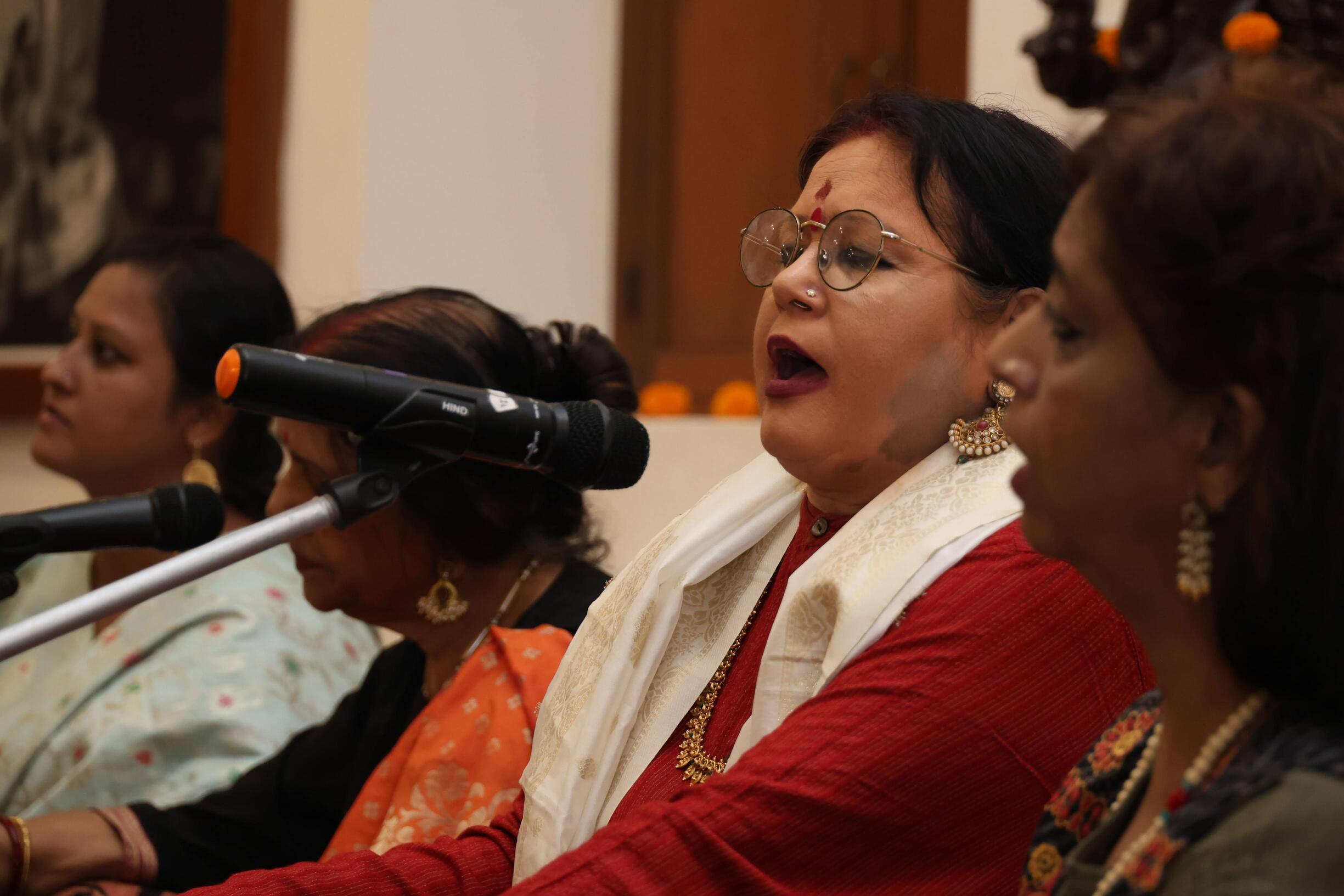
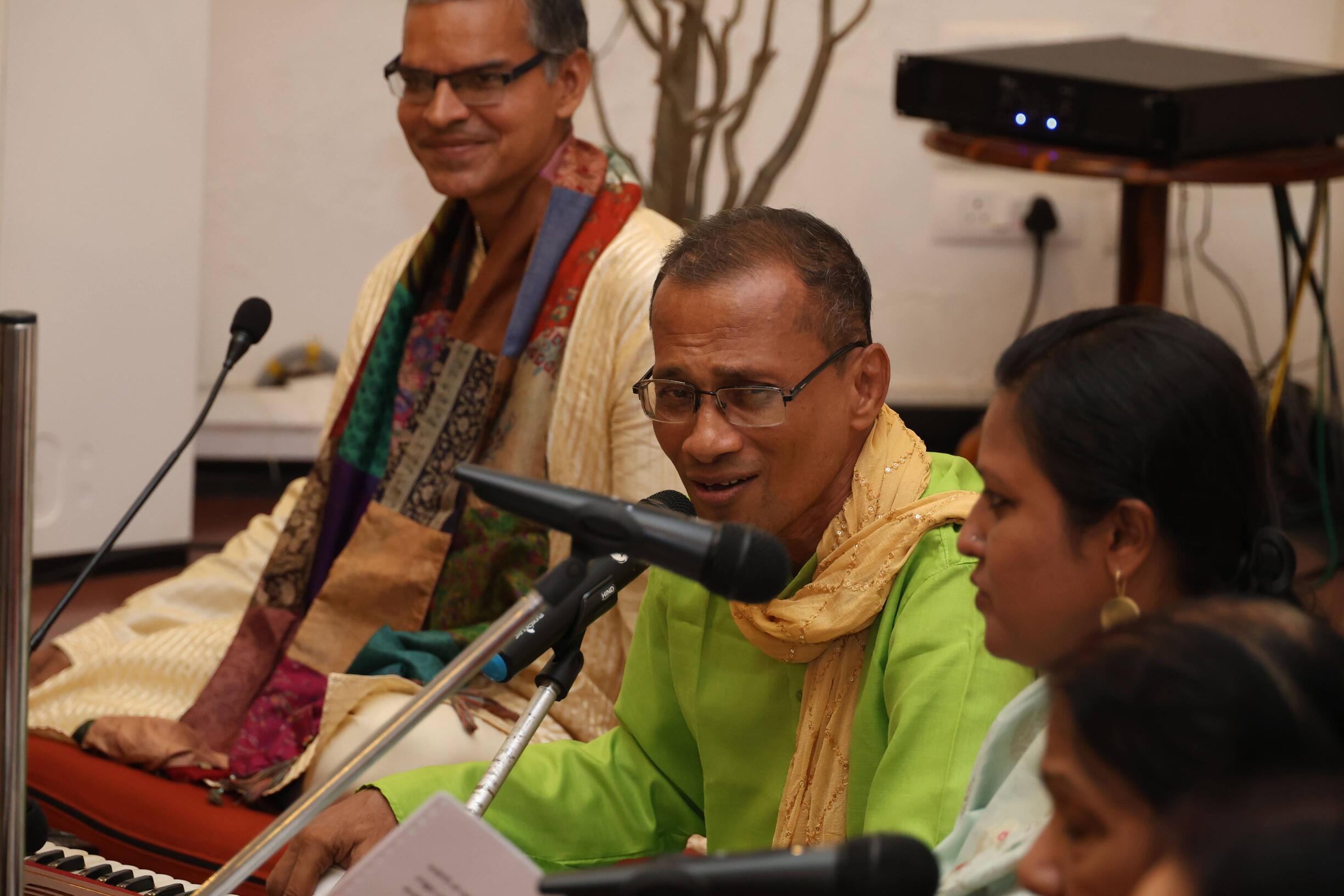
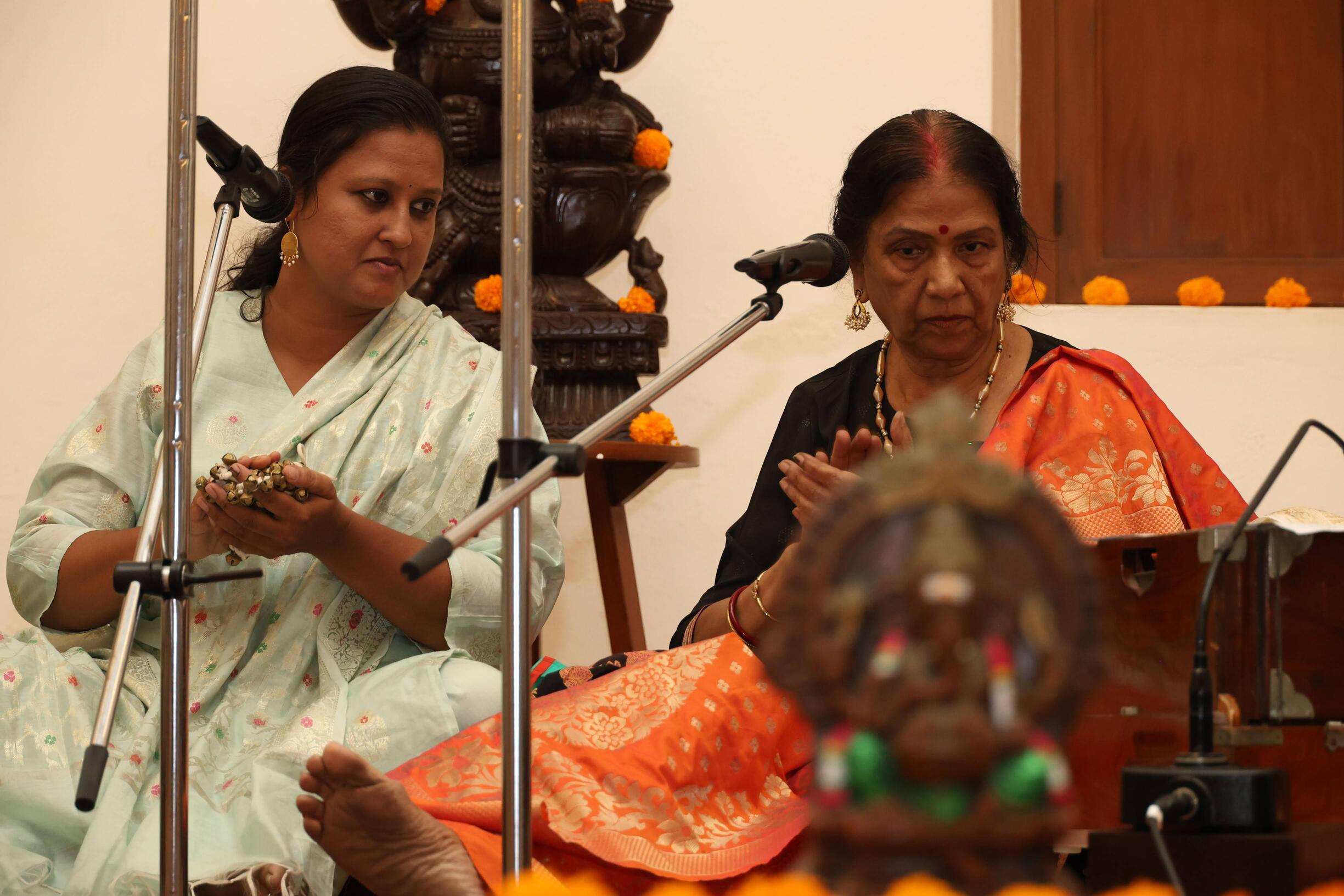
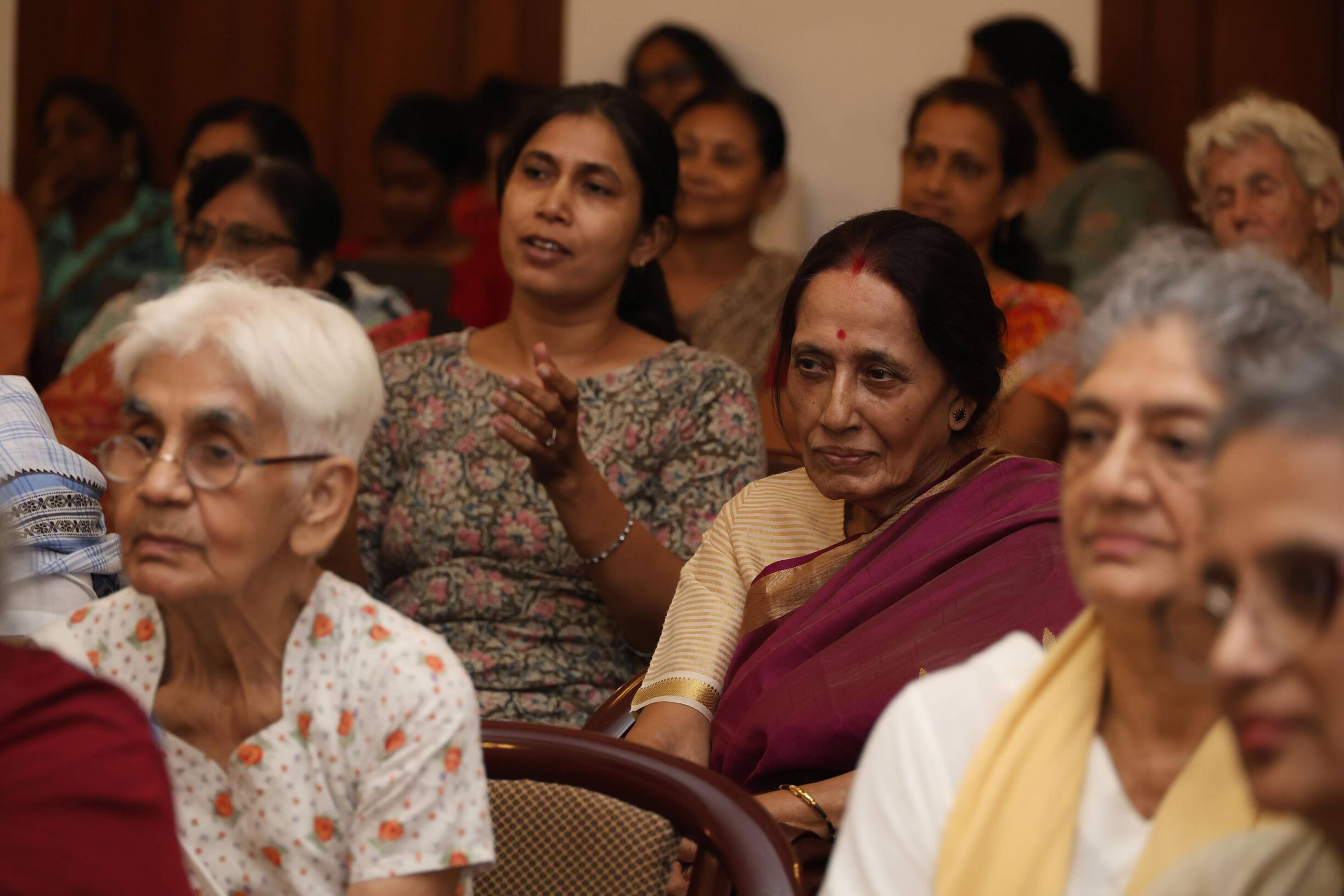
The performances by the musicians also demonstrated beautifully, through examples, a long tradition of expressing Sufi devotional poetry in various styles of singing, including qawwali, khayal, ghazal and several other more localised styles, especially in Punjab and Himalayan regions. The audiences were mesmerised throughout the evening, and the whole hall became soaked in the ambiance of devotion and love for the Divine.
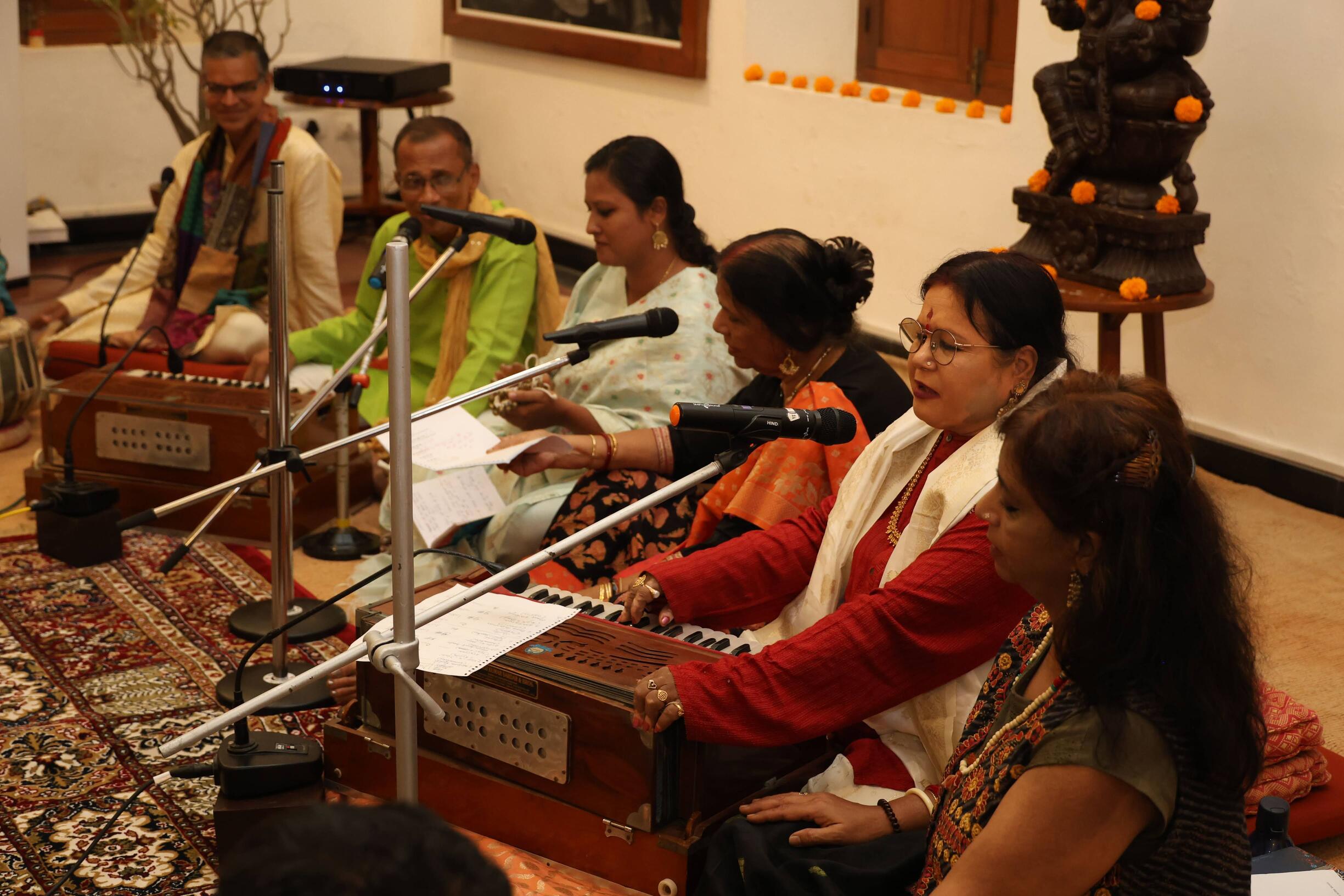
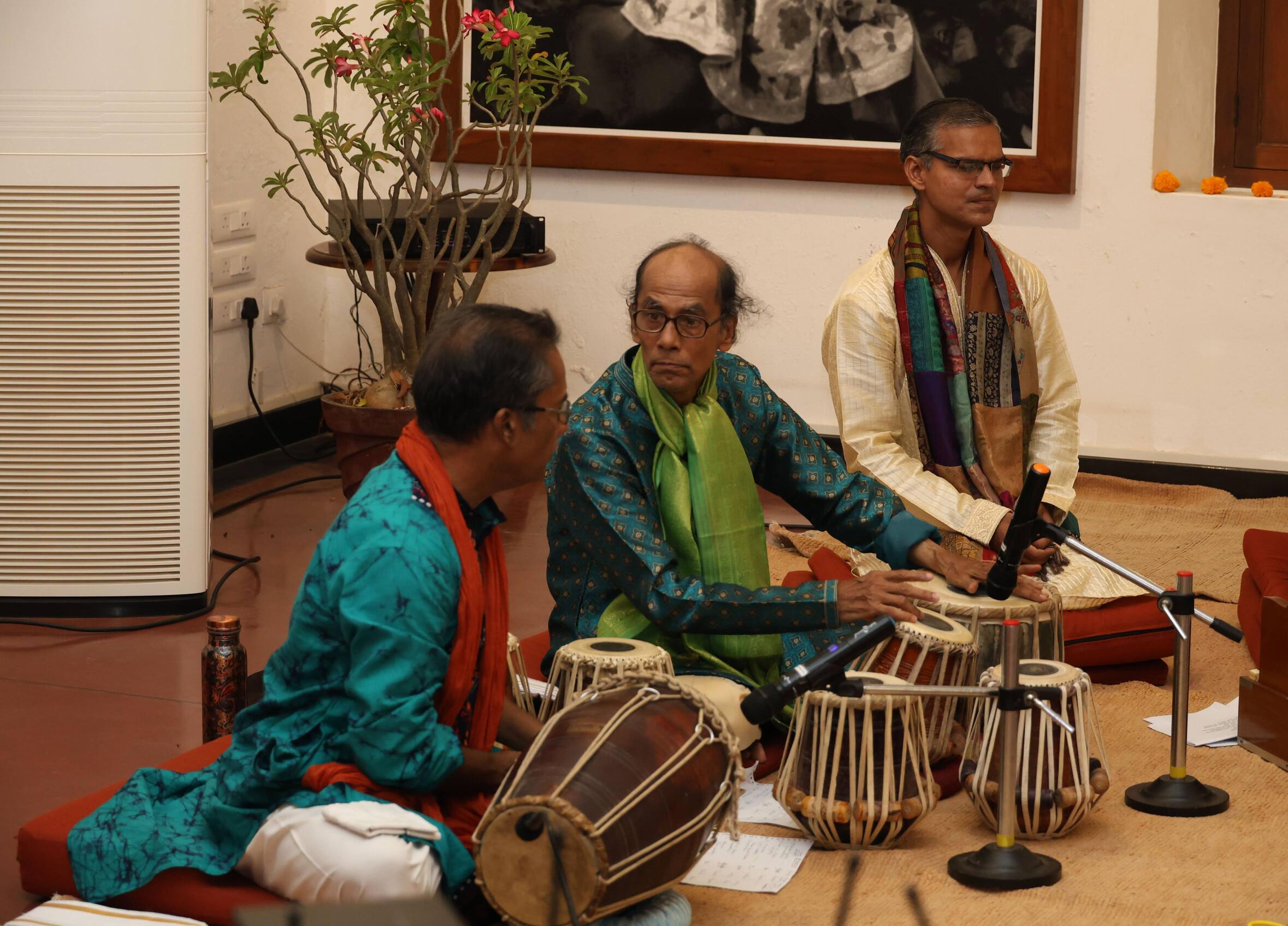
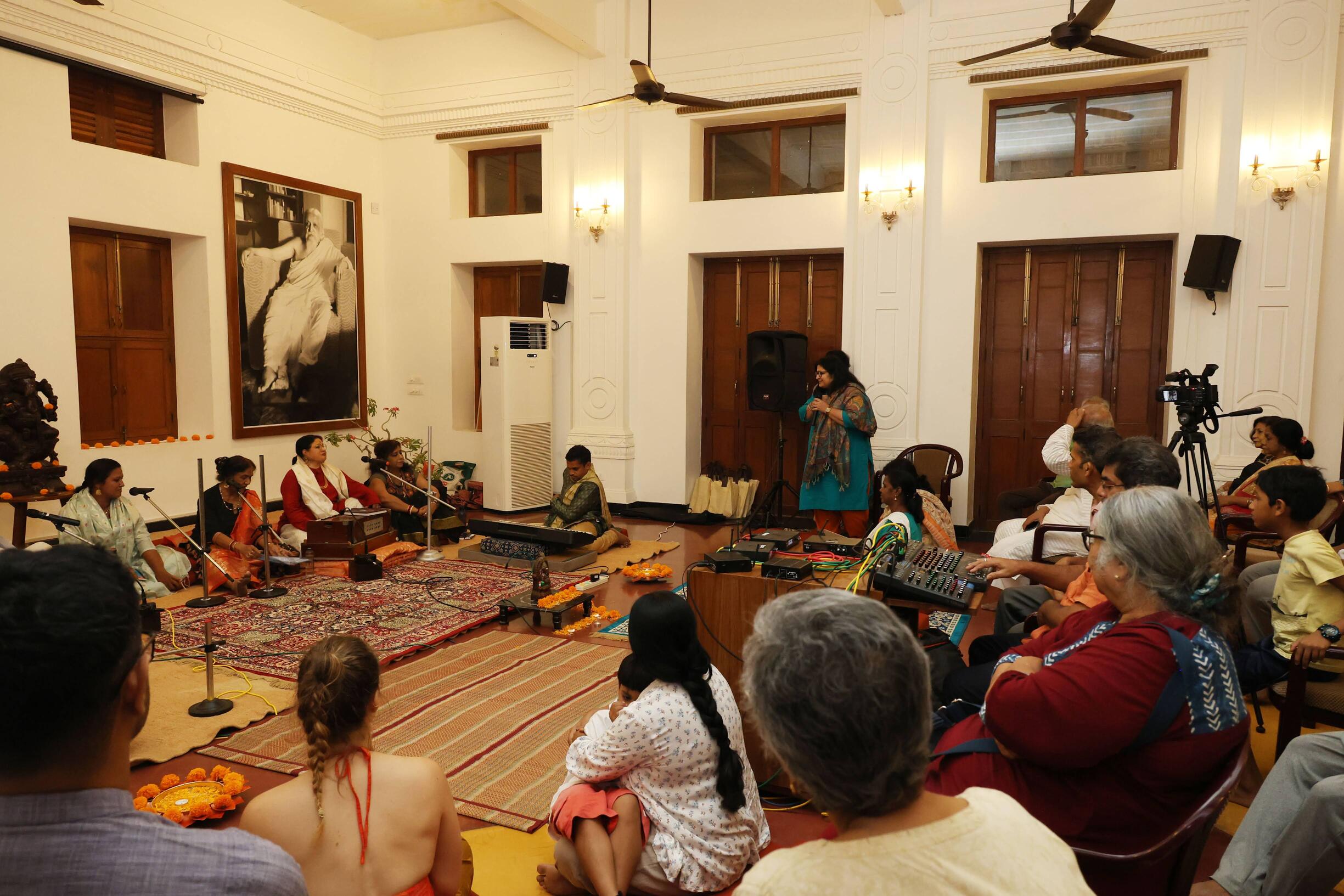
The final performance of the evening was a special bhajan – a qawali style bhajan dedicated to Lord Krishna penned by Nawab Sadiq Jung “Hilm” which transcends the Nirgun and Sagun Bhakti traditions and in a beautiful way brings out the complimentarity of the various paths of devotion to the Divine. The programme concluded with a few words of gratitude by Dr. Mehra.
Watch
See the gallery of photographs and short video recordings.
For more of our works under the theme Art and Spirituality, see HERE.