
Start Date: June 20, 2026
End Date: October 31, 2026
Venue: Creative School, Freedom Land, Bengaluru
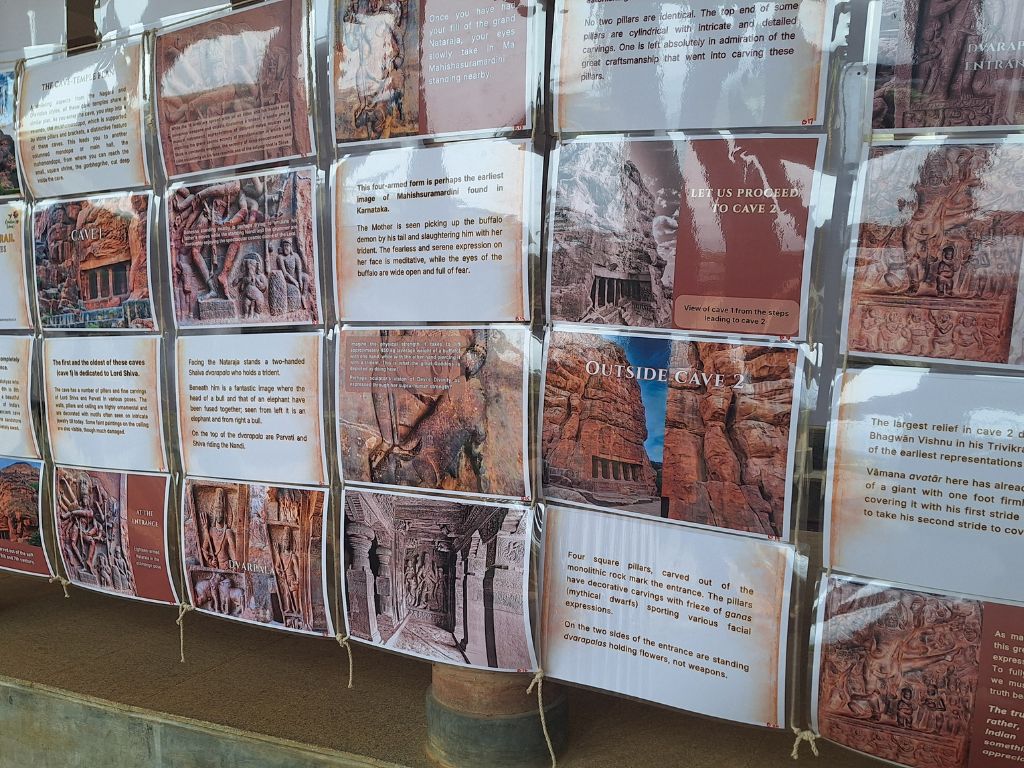
As part of the Invoking Shakti: India and I workshop, Dr. Beloo Mehra researched and curated 4 large poster exhibitions on theme – Bhārat Yātrā: Temple Trails for Civilisational Understanding. Three of these exhibitions focused on Chalukya Temple Trail covering Aihole, Badami, Pattadakal and one exhibition focused on Hoysala Temple Trail covering the temples at Belur and Halebidu. These exhibitions were designed as part of an integrated learning project for about 150 students of Creative School, Bengaluru.
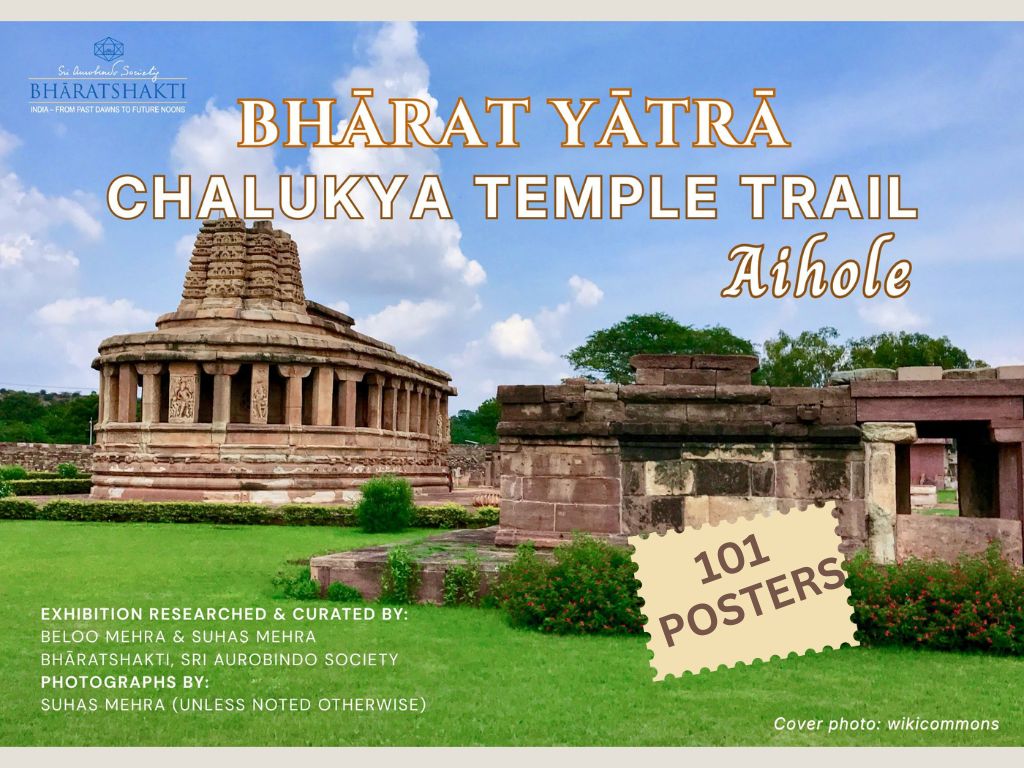
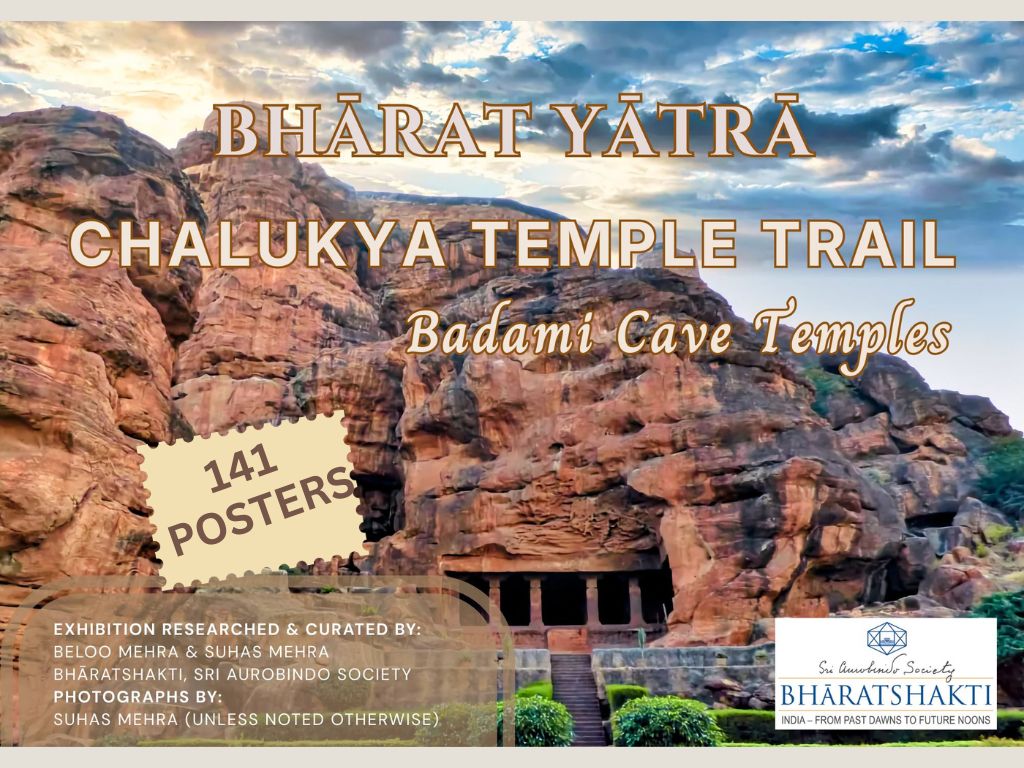
This work involved going through a large body of photographers from Dr. Mehra’s own collection of her visit to these five places over the years, selecting the right photographs, editing them and organising them in an order so that they convey a narrative that children of ages 14 onwards can easily follow. Relevant text to go with the photos was researched and curated by Dr. Mehra after going through a wide range of texts including Sri Aurobindo’s essays on Indian History, Art and Culture.
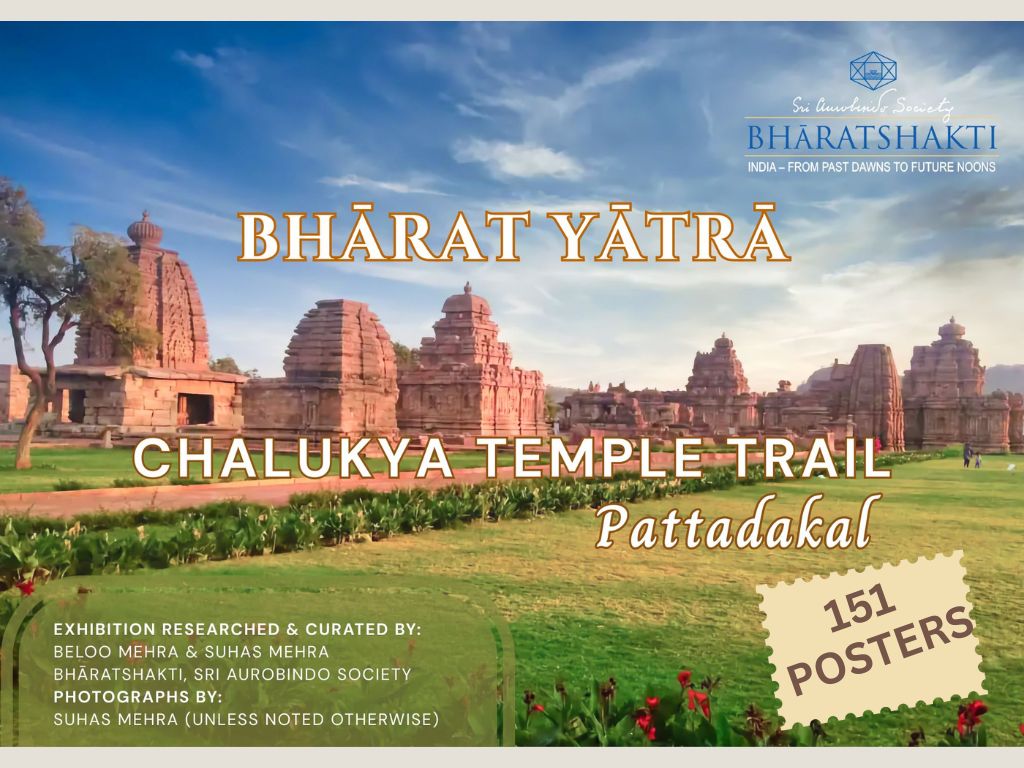
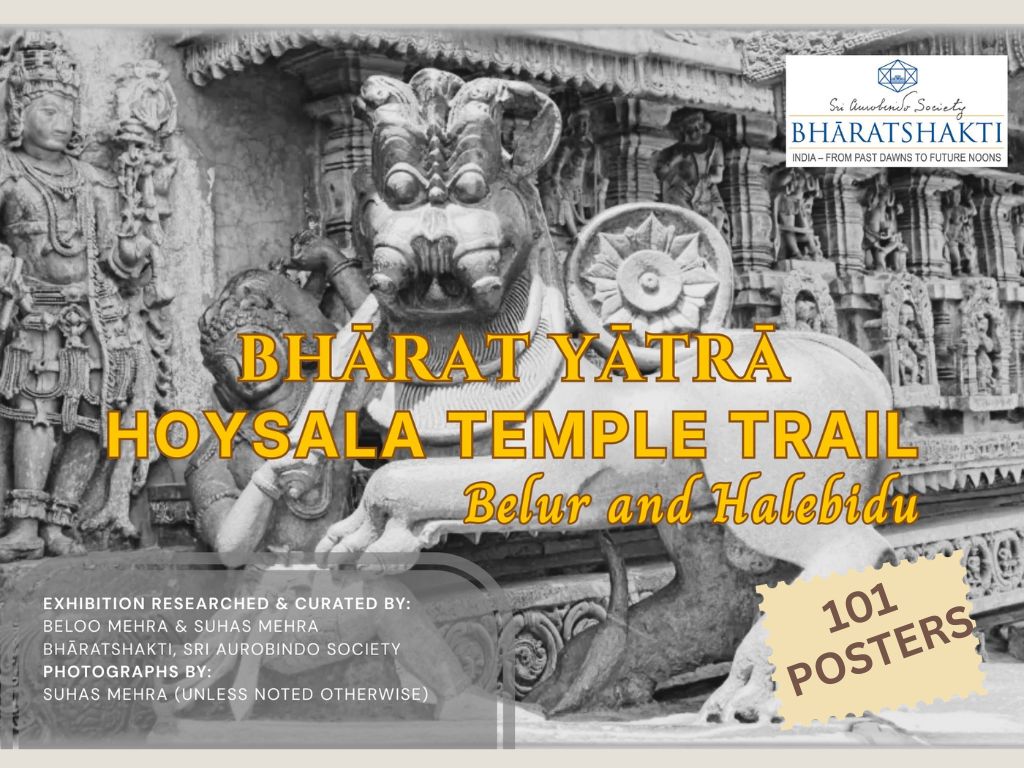
A total of 494 posters were designed, with an aim to provide an interdisciplinary understanding to the students and teachers.
- Aihole Temples – 101 posters
- Badami Cave Temples – 141 posters
- Pattadakal – 151 posters
- Belur and Halebidu – 101 posters
Each of these exhibitions began with a general historical overview of the time and context when these temples were built. Posters also included information on how in the light of Sri Aurobindo one should approach places of such deep cultural and historical significance. Relevant quotes of Sri Aurobindo – sometimes broken down in smaller, easy-to-understand phrases – were incorporated as text posters in the exhibition.
The narrative also included some interesting details about the dynasties who sponsored such large-scale architectural work, the cultural-historical context in which these temple complexes were built.
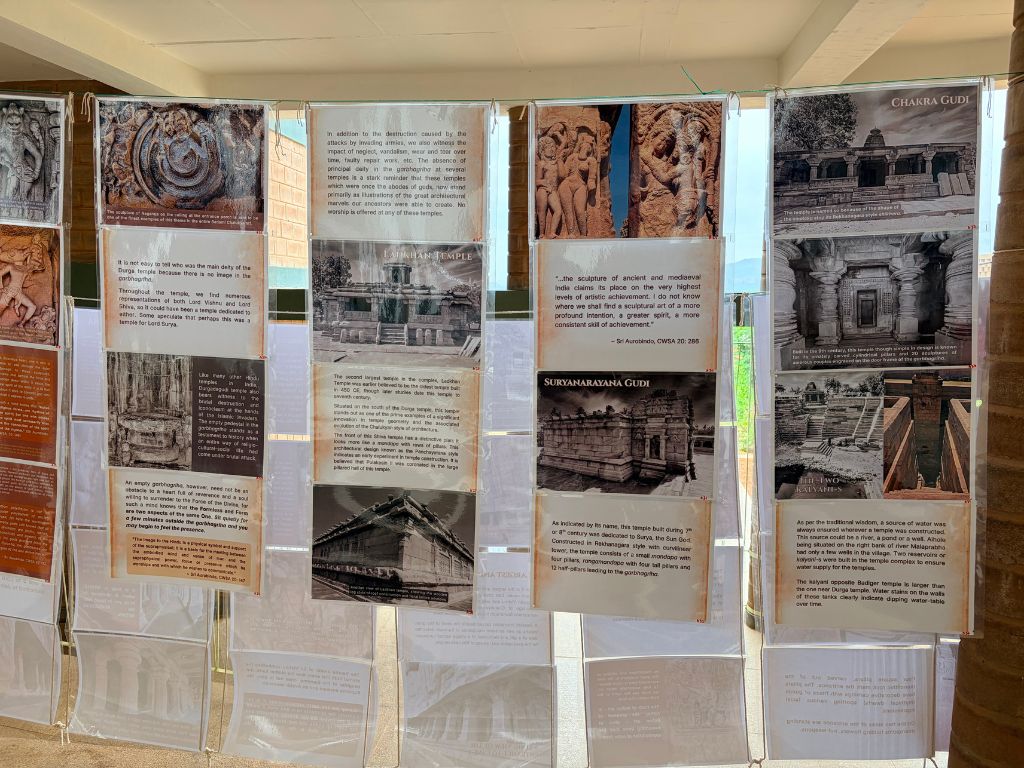
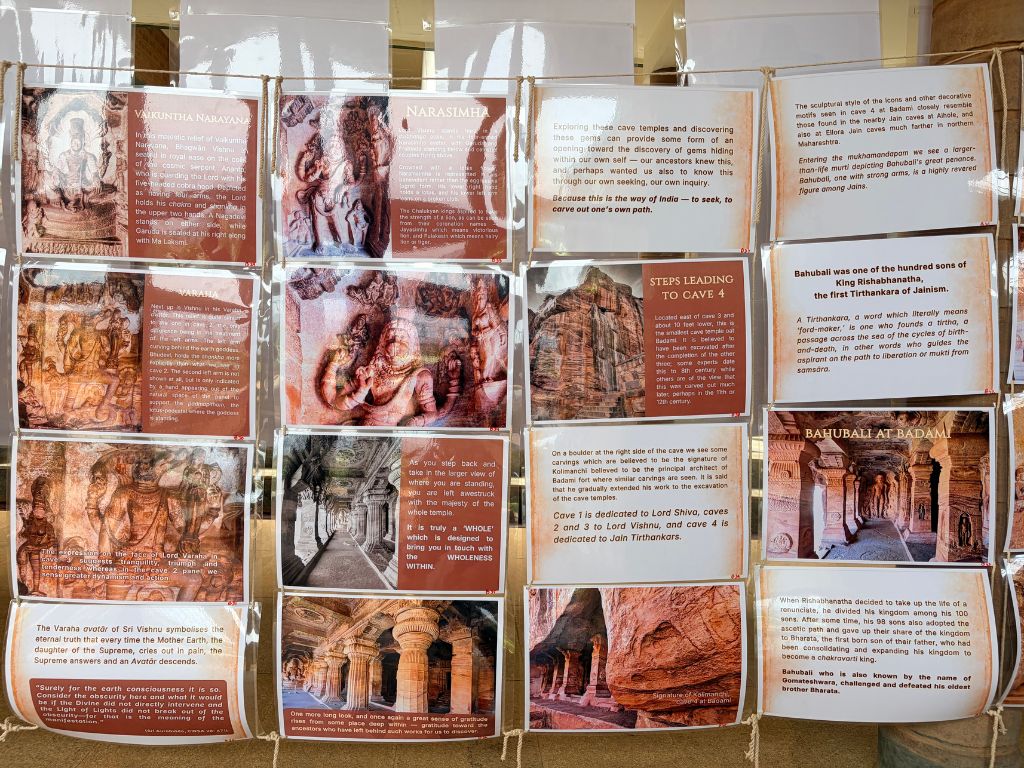
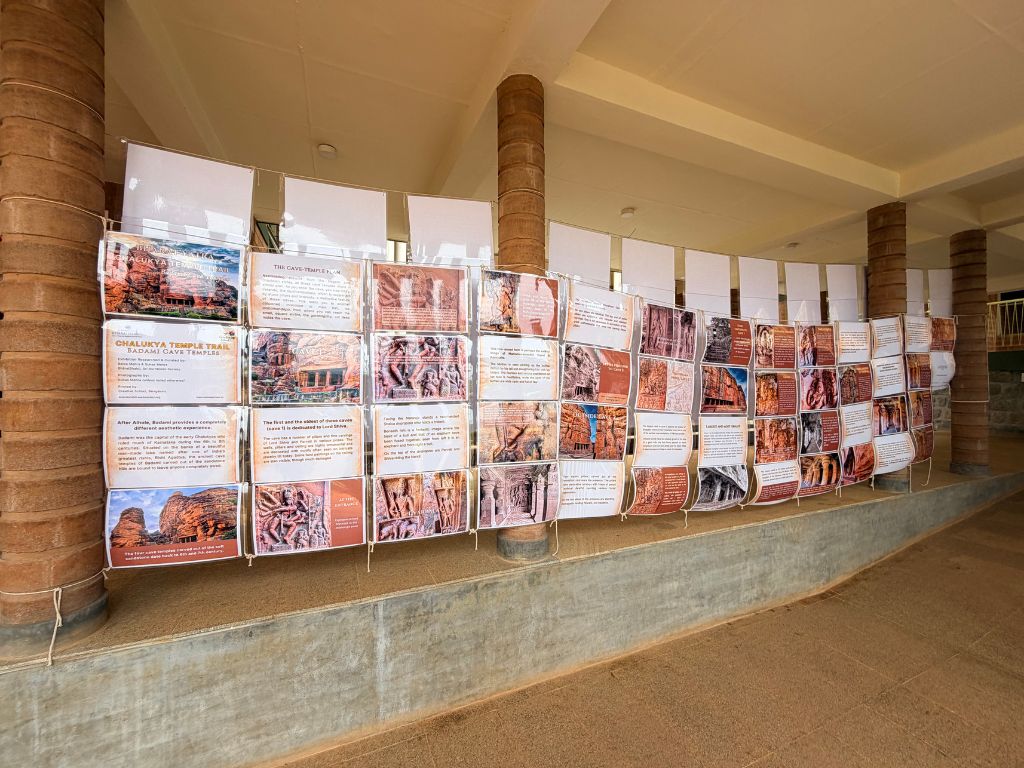
Chalukya Temple Trail
The Chalukyas were a powerful dynasty who ruled over large parts of southern and central India between 6th and 12th century CE. Over a period of two centuries, the early Chalukyans (also known as Badami Chalukyas) were able to unify a vast and culturally diverse area between the rivers Narmada and Krishna, and had spread their kingdom to the areas comprising the present Indian regions of southern Maharashtra and northern Karnataka.
The contribution of early Chalukyas (6th to 8th century CE) in encouraging large scale experimentation in temple architecture, both rock-cut cave temples and free standing temples, remains unparalleled in the Indian subcontinent.
Badami was the capital of the early Chalukyas who ruled much of Karnataka during the 6th to 8th centuries. Situated on the banks of a beautiful man-made lake named after one of India’s greatest rishis, Rishi Agastya, the ancient cave temples of Badami carved out of the sandstone hills are bound to leave anyone completely awed.
A series of experimentation which commenced at Aihole and continued at Badami came to its culmination at Pattadakal where innovations were done to integrate elements of the two temple architectural styles – Nagara and Dravida – in a hybrid Vesara style (Vesara means a mule which is a hybrid animal).
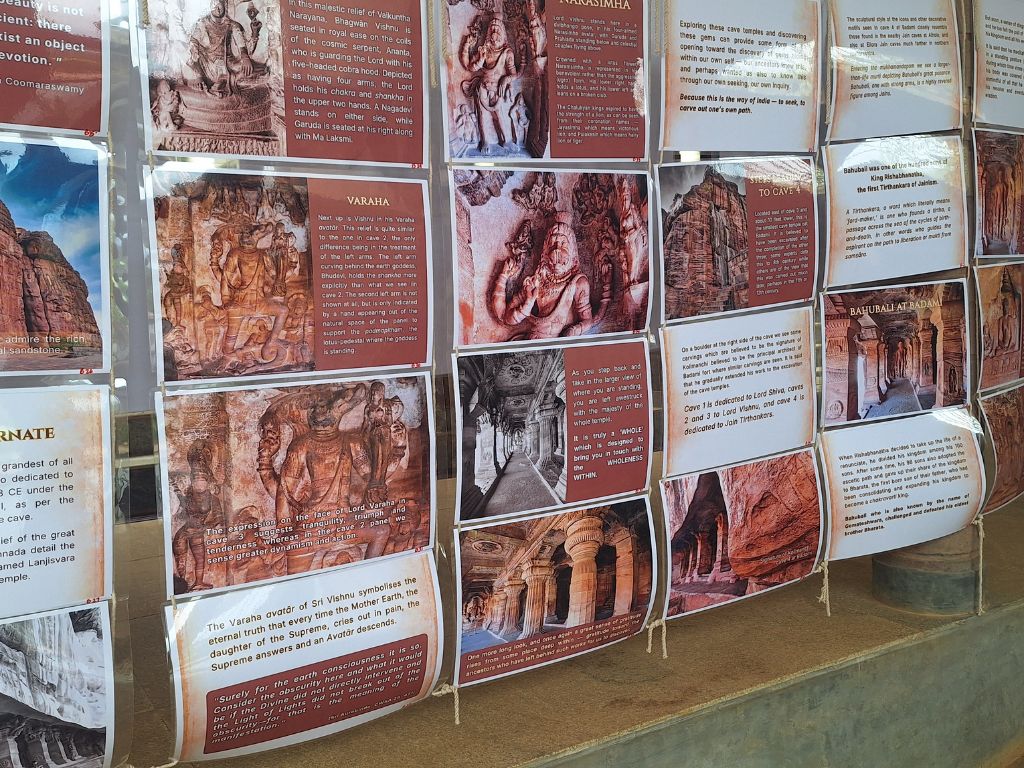
Together, the temples at Aihole, Badami and Pattadakal are the largest, earliest group of monuments comprehensively demonstrating the evolution of Hindu rock-cut and temple architecture, and profoundly impacting what followed later in the Hindu temple construction history.
Hoysala Temple Trail
Between the 11th and 14th centuries CE, the Hoysalas ruled most of what is now Karnataka, as well as parts of Tamil Nadu and southwestern Telangana. Their capital was initially located at Belur and was later moved to Halebidu.The dynasty gained prominence under King Vishnuvardhana (known earlier as Bittideva) who ruled from 1108 to 1152 CE. The Hoysala period was a significant era for the development of art, architecture, and literature in southern India.
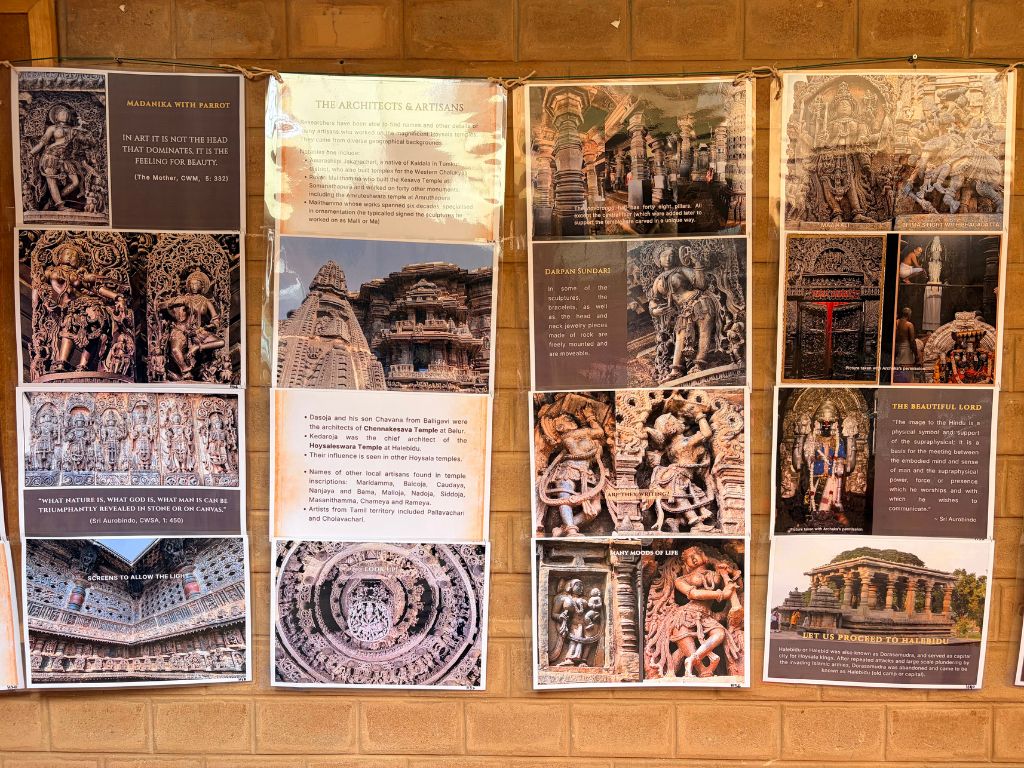
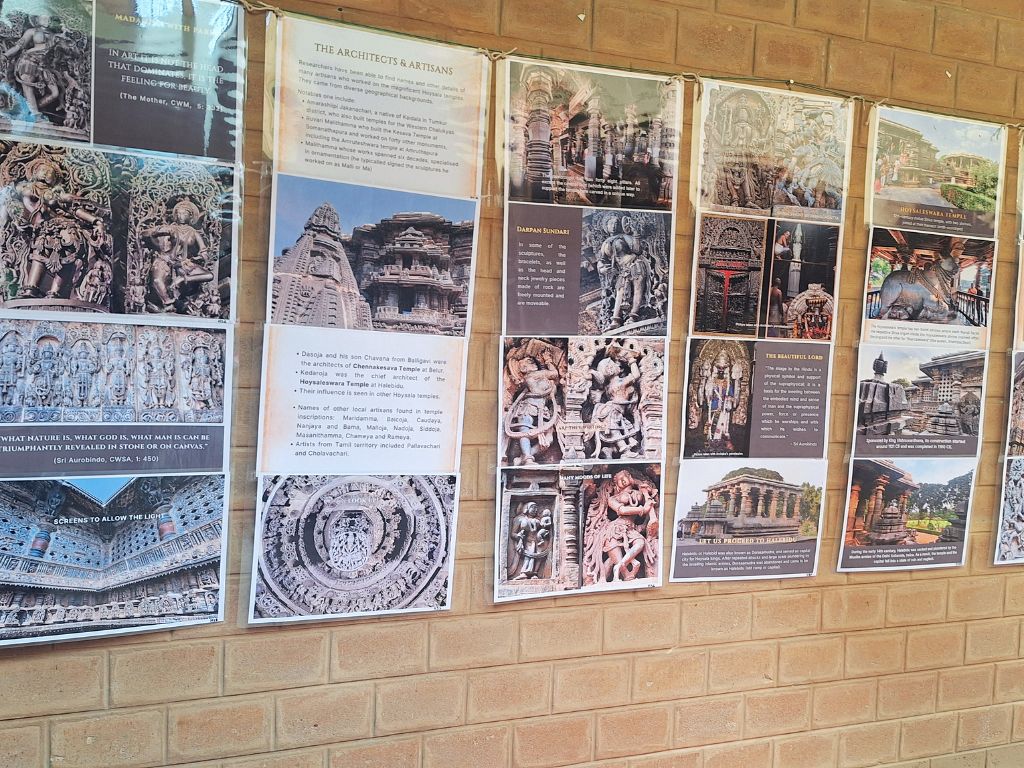
Hoysala temple architecture developed under the rule of the Hoysala Empire between the 11th and 14th centuries, in Karnataka. Numerous large and small temples were built during this era. The three most famous among them, which are also UNESCO World Heritage Sites are:
- Chennakesava Temple at Belur (1117 CE)
- Hoysaleswara Temple at Halebidu (1121 CE)
- Kesava Temple at Somanathapura (1268 CE)
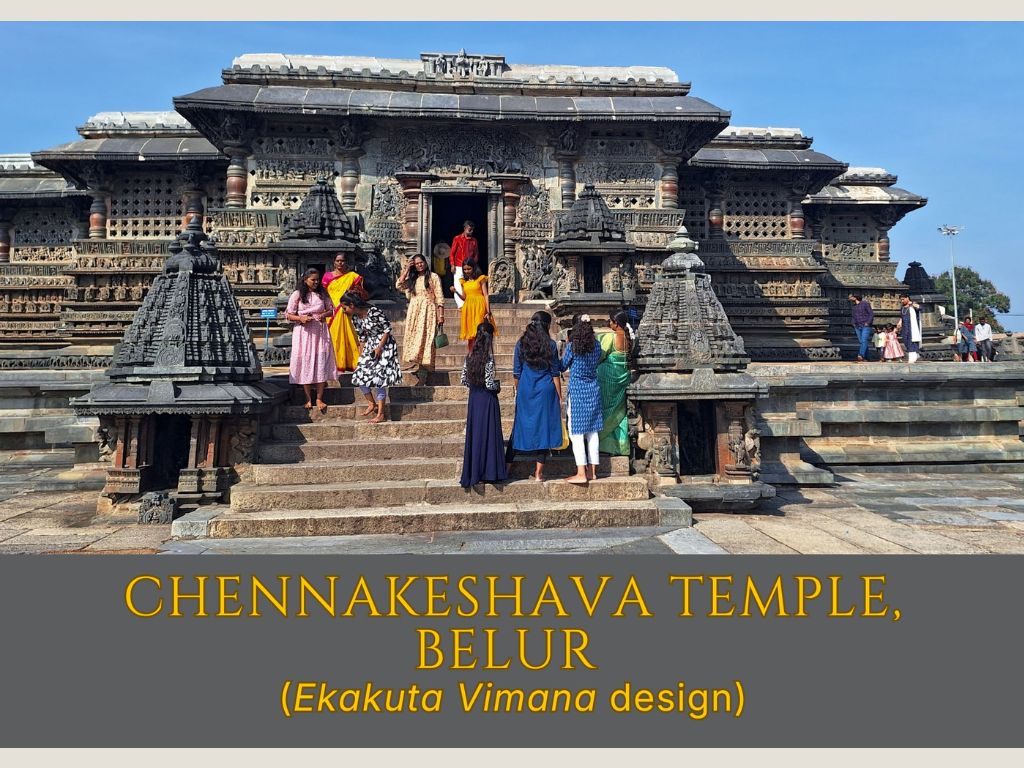
While the Hoysala temple architecture was significantly influenced by the temples built during Western Chalukya kings (different from the Badami Chalukyas), the temples built especially after mid-12th century, while retaining some features salient to Western Chalukya architecture also brought in much additional inventive decoration and ornamentation, which gave Hoysala temples a distinct identity.
Depending on the number of shrines (and hence on the number of towers/vimana), these temples are classified as ekakuta (one), dvikuta (two), trikuta (three), chatushkuta (four) and panchakuta (five).
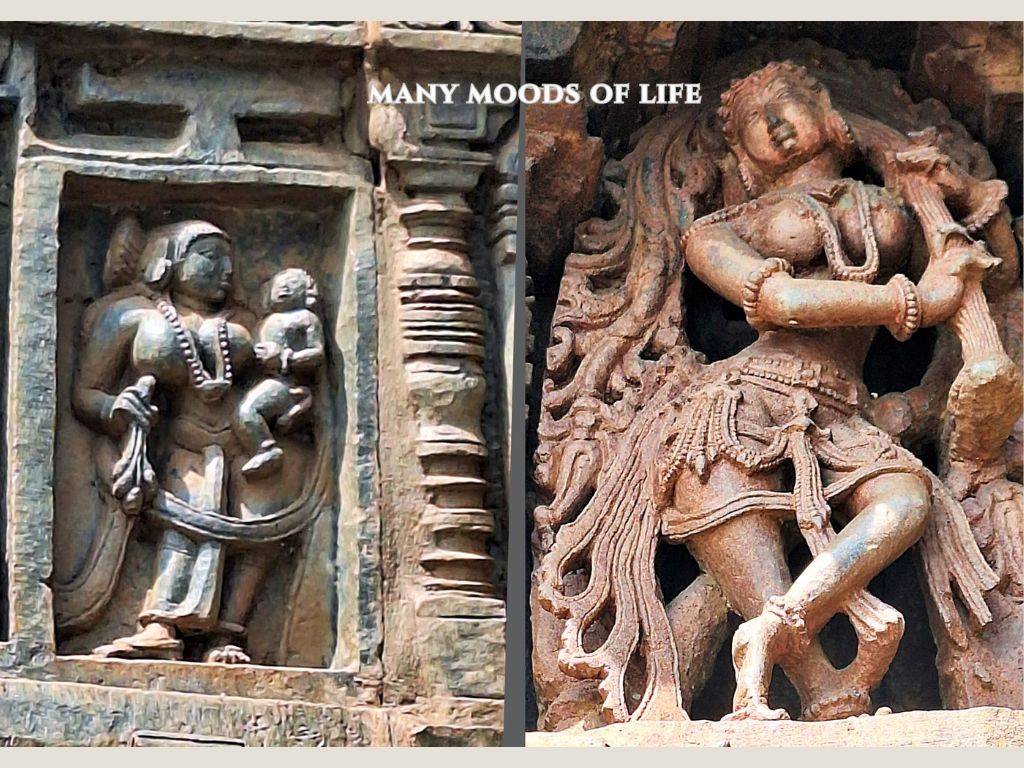
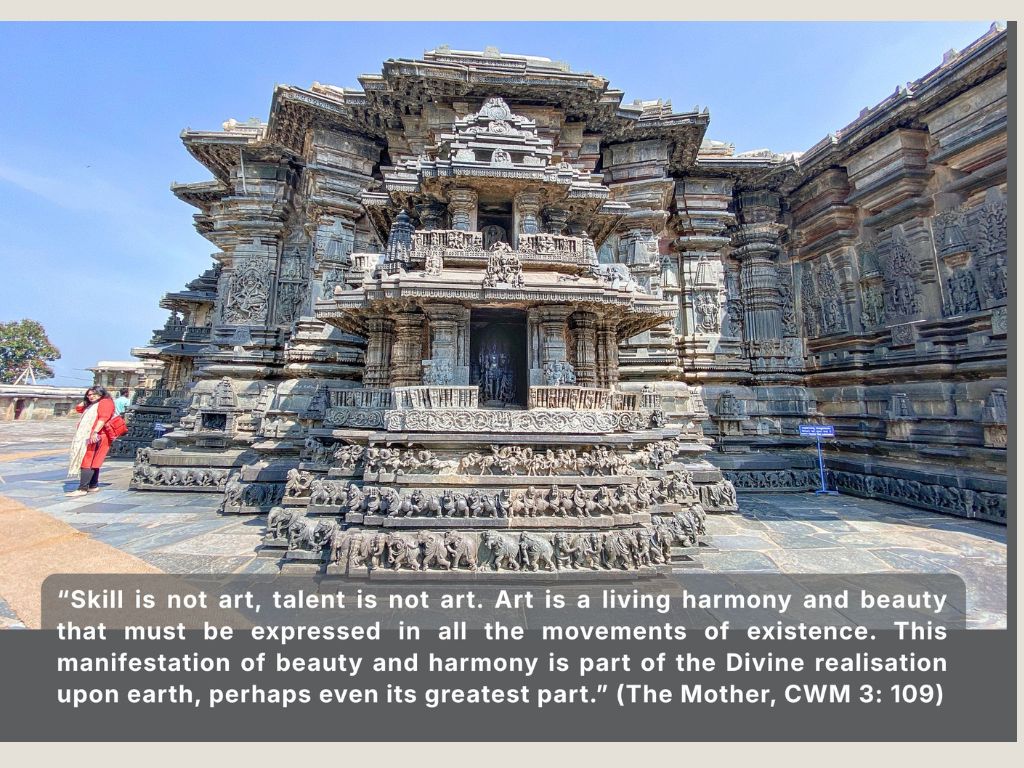
Sri Aurobindo’s insights on Indian temple architecture and sculpture were also incorporated creatively in the posters. His and the Mother’s words on the inner dimension of art, architecture and painting also found a place at a few appropriate places.
These exhibitions were put on display on June 20, 2026 at two different buildings in the vast campus of Freedom Land. The displays will stay up for about 3 months(may be longer) so that students and teachers can go through the posters at their own pace as a way to prepare themeselves for their upcoming field trips to these five temple towns.
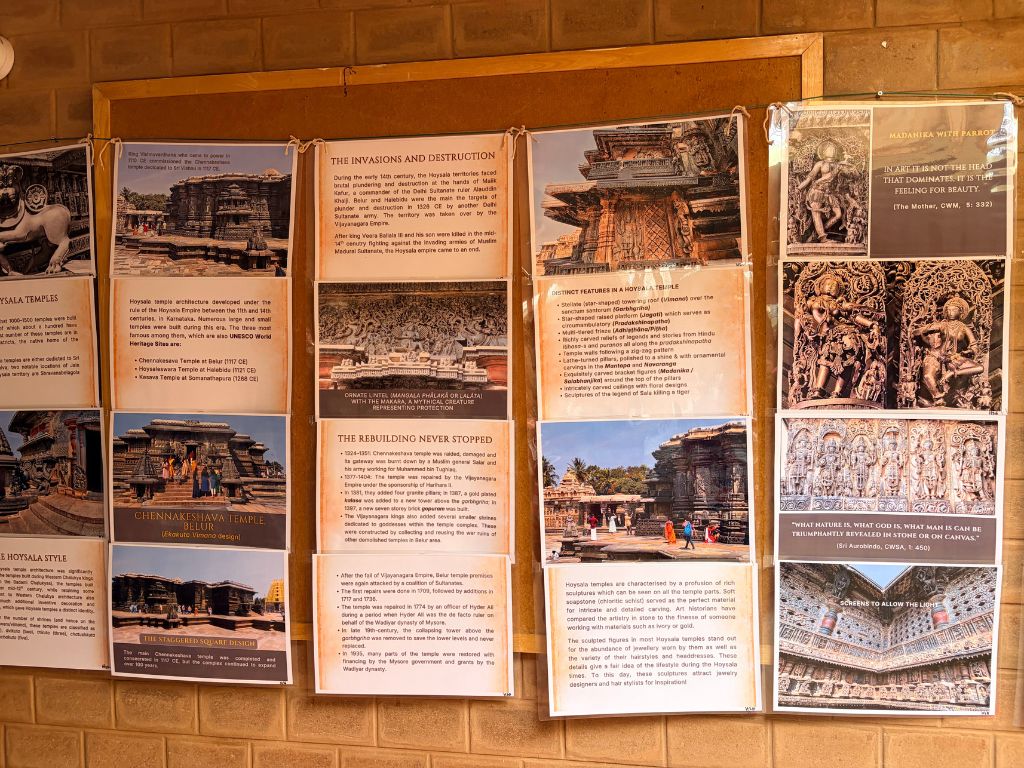
The teachers will be working with smaller groups of children helping them understand if they need any help, and also to go deeper into their own research if something makes them interested in learning more about a specific topic.
Interactive Sessions on Exhibitions
During the two days of the ten-day workshop “Invoking Shakti: INDIA & I – An Interdisciplinary Workshop” in June 2026, Dr. Mehra gave several orientation sessions to groups of students introducing them to the broad topics covered in all these exhibitions.
She also gave them a brief introduction to the inner spirit of temple architecture in India from Sri Aurobindo’s perspective. She explained profound ideas in simple manner with the help of several pictures.
A brief discussion also happened on how temples help us understand the spiritual foundations of Indian culture; again Dr. Mehra ensured that the sessions remained interactive and topic was explored in as simple a manner as possible for students’ understanding.
For one part of the sessions, children also got to paint and/or draw some sketches inspired by the temples they will be visiting.
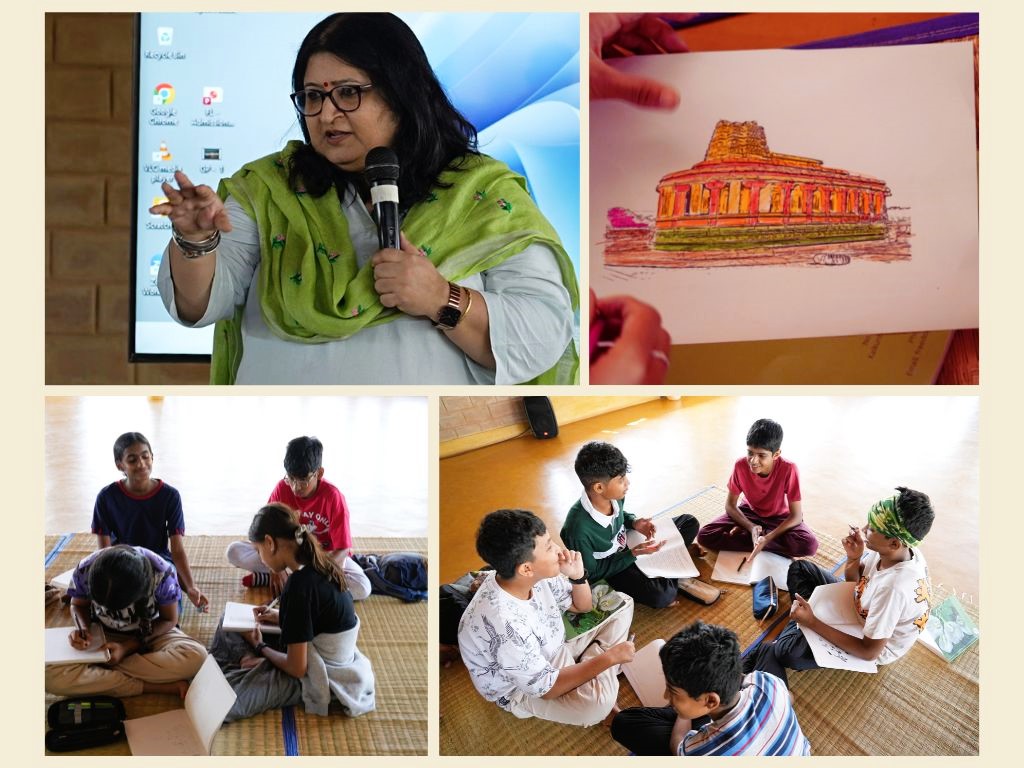
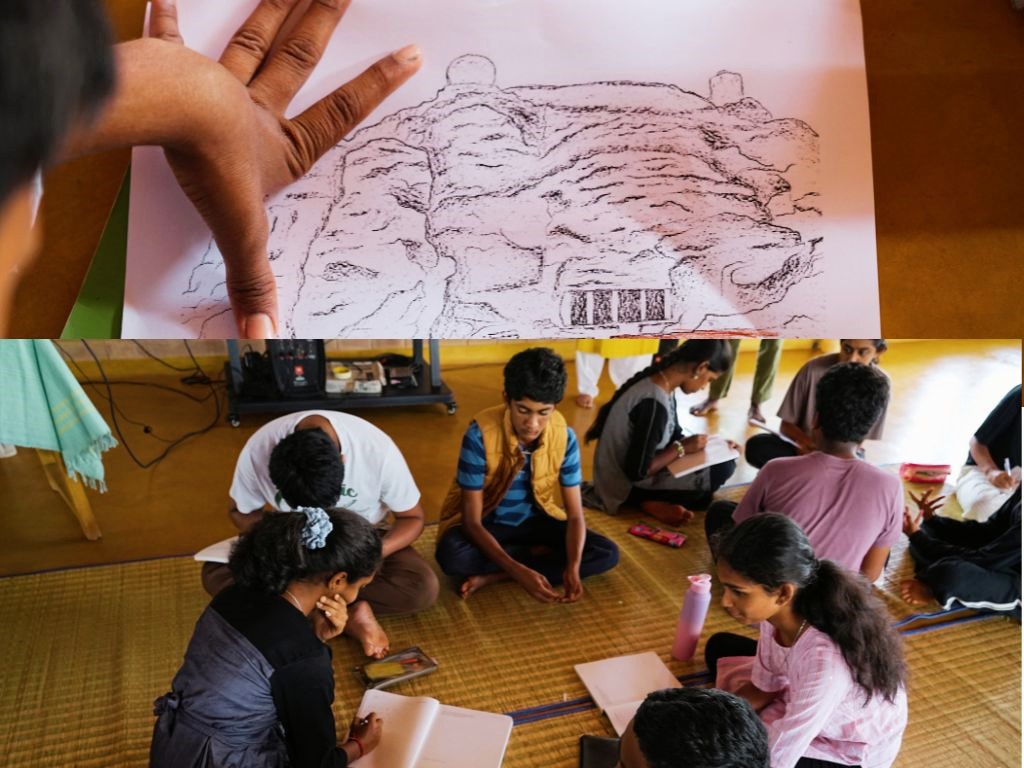
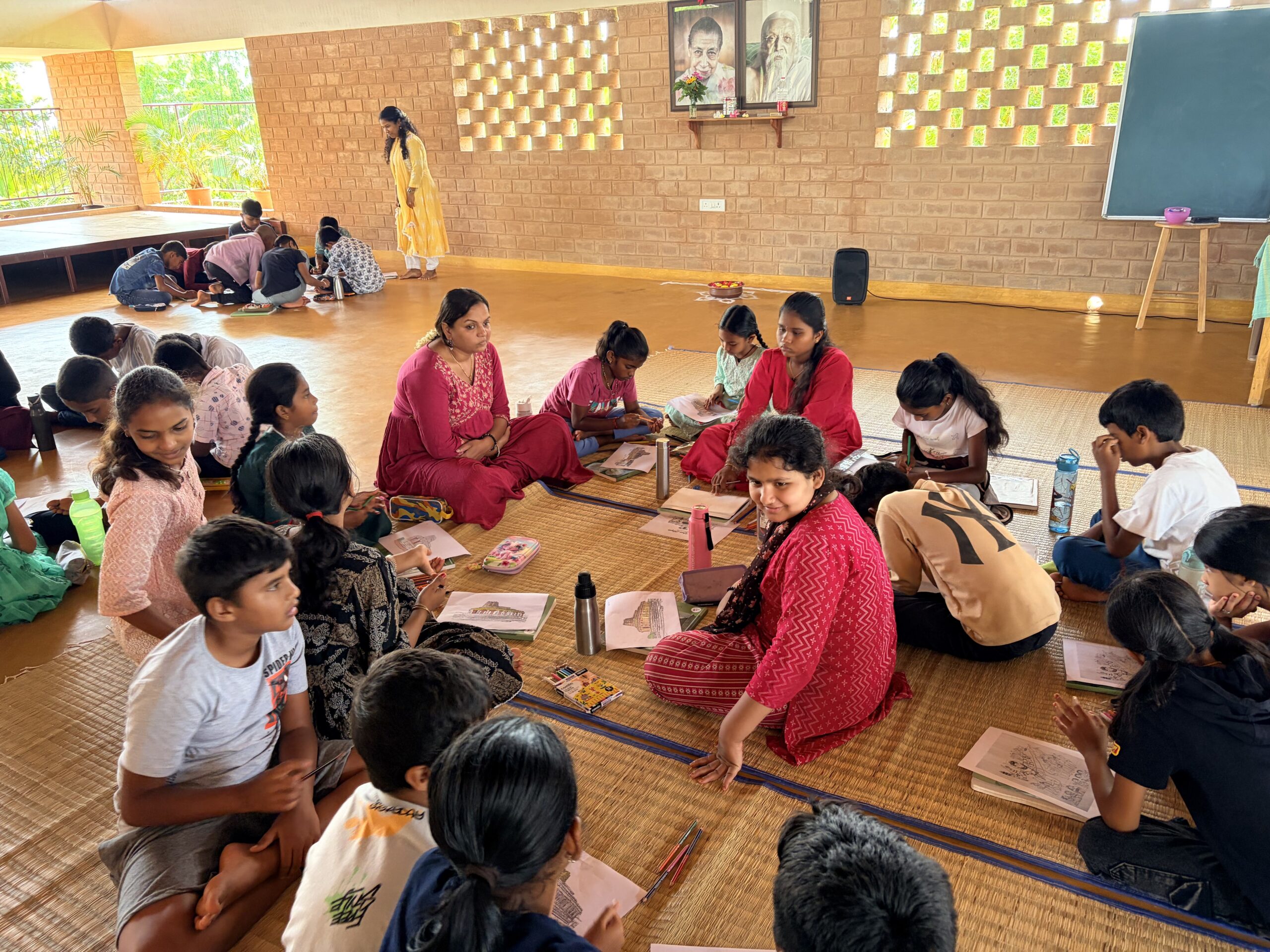
Dr. Mehra also showed them some short documentaries on all the three places in the Chalukya Temple Trail to sensitize them for the historical, aesthetic and culturally immersive experience that lies ahead of them when they visit these places.
She pointed out which parts of the exhibitions they should go to if they needed to know more about some specific aspect. This was considered a good preparation for the detailed study of the exhibition which the students would go through on their own, with help from their teachers.