Date: October 27, 2026
Author: Saurabh Thakore
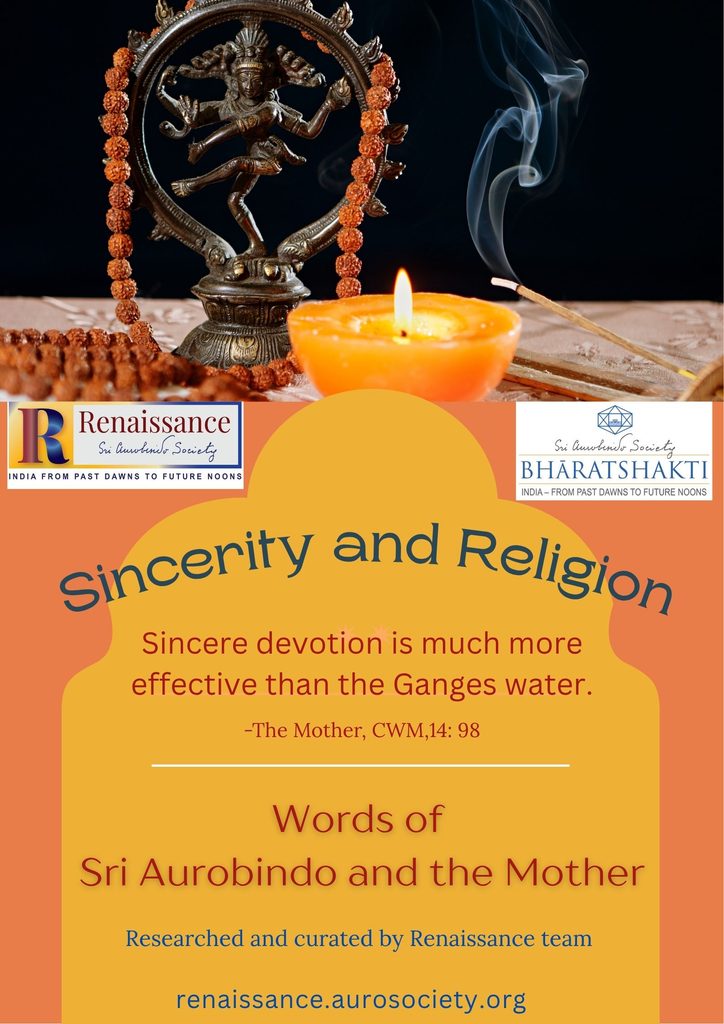
At the temple entrance, I know what to do with my footwear. There is a place to leave it. I am less certain what to do with my resentment. It comes inside without permission. So does the argument I have been rehearsing, the answer I wish I had given, the small injury to my pride that has somehow occupied an entire morning.
My hands fold before the deity, but part of my mind is still explaining why someone else was wrong. I have come to pray. I have also brought the habits from which I am asking to be freed.
As a child, I followed my grandfather into the Shiva temple where he served as a trustee. I learned where to stand, when to bow and how to walk around the sanctum. I trusted his guidance long before I could understand the traditions he was passing on.
Those visits remain precious to me. With age, however, another question has entered them: how willing am I to let devotion change something I would rather keep?
Practices differ across sampradayas, regions and communities. I offer these reflections as a learner, not an authority.
Sri Aurobindo writes: “A change of consciousness is the whole meaning of the process of Yoga.”1 Better conduct matters, but the horizon is deeper: an opening towards the Divine through which our ways of seeing, responding and acting can gradually change.
What We Bring Before the Divine
We usually know what we have brought as an offering. There may be flowers in our hands, a coconut in a bag or a contribution set aside for the temple. Our inward offerings are less easily counted.
I may ask for patience while remaining attached to my anger. I may pray for guidance while hoping it will confirm a decision already made. Even the wish to become humble can carry a quiet expectation that someone will notice my humility.
Asked what sincerity means, the Mother began by explaining that it has degrees. One part of us may truly aspire to overcome a defect while other parts protect it, conceal it or find reasons to keep it. In her account, sincerity deepens as the whole being becomes united in its aspiration towards the Divine. 2
I recognise something of myself in that description. There are faults I readily admit because admitting them costs little. Others have become entangled with my identity. Impatience becomes efficiency. Stubbornness becomes principle. The need to control becomes concern for everyone’s welfare. It takes time to notice these substitutions, especially when they have served us well in our own explanations.
Standing before the deity, I might allow one of them to be seen without defending it. The irritation I call justified has become a habit. My concern contains a wish to have everything done my way. I may not know how to change it yet. I can begin by asking for help without disguising what needs help.
The Humility of Being Corrected
Bowing gives the body a clear movement. The head lowers. The hands join. We acknowledge a presence greater than ourselves.
In ordinary life, humility arrives under less welcome circumstances. Someone points out a mistake. A younger colleague questions our decision. A family member tells us that our words were hurtful. Before we have considered what they said, we feel the urge to defend our standing.
I know how quickly experience can become a shield. I have worked for years, carried responsibilities and faced difficulties. Surely that should count for something. It does. It does not make me incapable of error.
In worship, I willingly acknowledge the limits of my understanding. Can that willingness remains when another person reveals one of those limits?
Listening does not oblige us to accept every criticism. It gives us a chance to distinguish what is true from what merely hurts our pride. Sometimes the correction is partly right. Sometimes it is entirely right, and we have spent more energy resisting it than the mistake would have required to repair.
“I missed that,” we can say.
Or, when the matter is more personal: “I understand why that hurt you.”
Such words need no ceremony. Yet something within us may have to yield before we can speak them sincerely.
Attention After the Bell
The temple bell rings, and the aarti flame turns in slow circles before the deity. For a moment, the stream of thought we carried inside is interrupted. We watch. We listen.
I wonder how often I offer that much attention at home. Someone is speaking, and I am already preparing an answer. A parent repeats a story, and I turn towards my phone because I know the ending. A person brings a difficulty, and I begin offering solutions before understanding what has happened. I remain physically present and assume that I have listened.
The attention gathered in worship offers a point of return. When my mind wanders, I can bring it back to the person before me. Waiting before answering costs little. A complaint need not be heard as an accusation. These are modest efforts. They expose how strongly I expect life to follow my own pace.
Outside, the silence of the temple does not last. A phone will ring. Work will remain unfinished. Someone will ask a question at an inconvenient moment. I will not always respond well. But recognising the irritation before it becomes a harsh reply is already different from allowing it to speak unquestioned.
The flame cannot make that choice for me. Its memory can help me pause long enough to make it myself.
An Open Hand
Prasad is received as grace. The hand opens, something is placed in it, and we accept with reverence.
That simple posture shows how difficult receiving can become elsewhere. We welcome praise more easily than guidance. We offer help generously while feeling embarrassed to need it ourselves.
I am often more comfortable being useful than being dependent. Giving allows me to keep a familiar image of myself. Receiving asks me to loosen it.
Yet much of what has sustained me came through other people: my grandfather’s time, a teacher’s patience, the quiet work of family members, kindness offered when I had little to give in return. These are people whose kindness I can name and acknowledge.
It also changes how I give. The person receiving help has a dignity that must survive the encounter. I need to notice whether my generosity leaves room for that dignity, or whether it quietly requires gratitude, obedience or public recognition in exchange.
What am I willing to release along with the gift?
Returning to the Aspiration
A sincere moment does not immediately dissolve a settled habit. We can leave the temple with a real wish to change and find ourselves behaving familiarly by evening. The disappointment is understandable. It can also become another excuse to stop trying.
The Mother’s guidance in that same conversation is strikingly simple: a minute on waking and a minute before sleep, asking to become conscious of the Divine Force. 3
For me, this suggests a discipline of returning. Before the day begins, I can remember what I seek and ask for help. At night, I can look back without arranging every incident in my favour. Perhaps I listened patiently in one conversation, then spoke sharply in another. Perhaps I kept a difficult promise but avoided an apology.
There is something to learn from each. The review need not become a punishment. If I have hurt someone, I can make amends. If I have concealed a motive from myself, I can acknowledge it. If I have failed, I can renew the effort without pretending that nothing happened.
The Conversation Waiting Outside
My grandfather taught me the movements of worship with a care I understood only gradually. I remain grateful for the child’s trust that first brought me into the temple beside him.
Today, I return with questions that childhood could not have supplied. I still need the prayer, the familiar gestures and the quiet before the deity. I also need to become more honest about what I carry away unchanged.
There may be an apology waiting after worship. The other person may remain hurt. I cannot determine how my words will be received, and admitting my part will not settle every disagreement.
But I can approach without preparing a defence. I can say what I did. I can listen. The next time I leave the temple, that conversation may still be waiting. Perhaps I can begin there.
References
- Sri Aurobindo, Essays Divine and Human, The Complete Works of Sri Aurobindo, 12: 327. See HERE. ↩︎
- The Mother, CWM, 6: pp. 397–400. Read the full conversation. ↩︎
- ibid. ↩︎
About the author
Saurabh Thakore is an author, writer and social commentator, and a senior HR professional. He writes reflective essays, fiction and memoir on faith, work, family and the quiet questions of everyday life.

Explore our Flipbook