
Date: September 10, 2026
Author: Sk Shaheer Ullah (Shunya)
On theocratic cages, childhood wounds, and the long climb back to the Divine
I have been restless lately, and it is not the ordinary restlessness of a deadline or a bad night’s sleep. It is older than that. Something in me has been stirred — old rooms opening that I thought I had locked long ago. Sri Aurobindo would call it the vital plane throwing up its debris before a soul can climb higher. I won’t always claim to know exactly what is moving in me. I only know the flashbacks are real, and so is the tiredness that follows them.
I want to write down where this restlessness comes from, because naming it is the only power I have ever had over it.
Things have an inner value and become real to you only when you have acquired them by the exercise of your free choice, not when they have been imposed upon you. If you want to be sure of your religion, you must choose it; if you want to be sure of your country, you must choose it; if you want to be sure of your family, even that you must choose.
~ The Mother, CWM 3: 81
The Cage I Was Born Into
I was born into a faith I did not choose, inside a family and a society that had already decided, long before I could speak, what I was permitted to become. This is true of almost everyone — nobody chooses their birth religion — but some inheritances sit lighter than others, and mine did not sit light.
From very early on I felt a mismatch between the world I was told to believe and the world I actually perceived. A culture so alien, a theology so superimposed over whatever I actually was, that by the time I was old enough to notice the gap, the gap had already become a wound.
I want to be careful here. I am not indicting a billion people for the failures of a few, and I am not pretending there is no goodness or higher truth inside Abrahamic traditions. There is. But theocratic rigidity is not a hypothetical for me. It is the reason a mystic like Mansur Al-Hallaj could be executed for claiming to have found God within himself, the reason Galileo had to kneel and recant what his own eyes had already shown him.
Free thought has always paid a toll wherever one book, one interpretation, one inherited orthodoxy is allowed to superimpose itself over every other way of seeing. I was raised inside that superimposition, and it left a mark I have spent years learning how to even name, let alone heal.
Shikwa-i-Kaafir, 2019
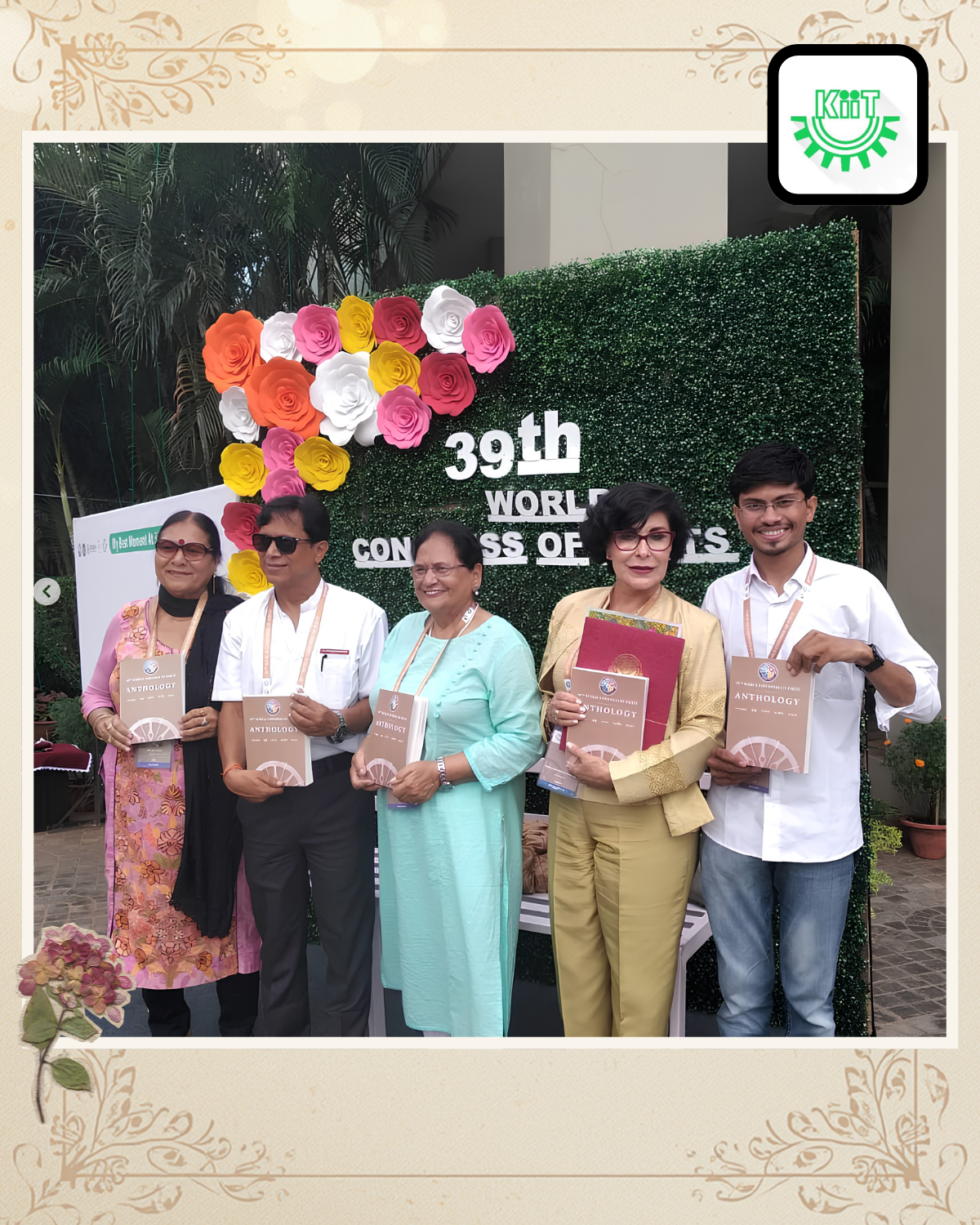
The first time I tried to name the wound, I did it as a Marxist. In 2019 I wrote a poem called “Shikwa-i-Kaafir” — the complaint of an infidel — my own answer, in spirit, to a far older complaint that had shaped the devotional imagination I grew up inside.
Back then my rebellion was purely negative. I knew exactly what I was running from. I did not yet know what I was running toward. Atheism gave me somewhere to stand outside the cage. It did not give me a home. I also got brutally attacked for the same.
Sri Aurobindo and the Widening
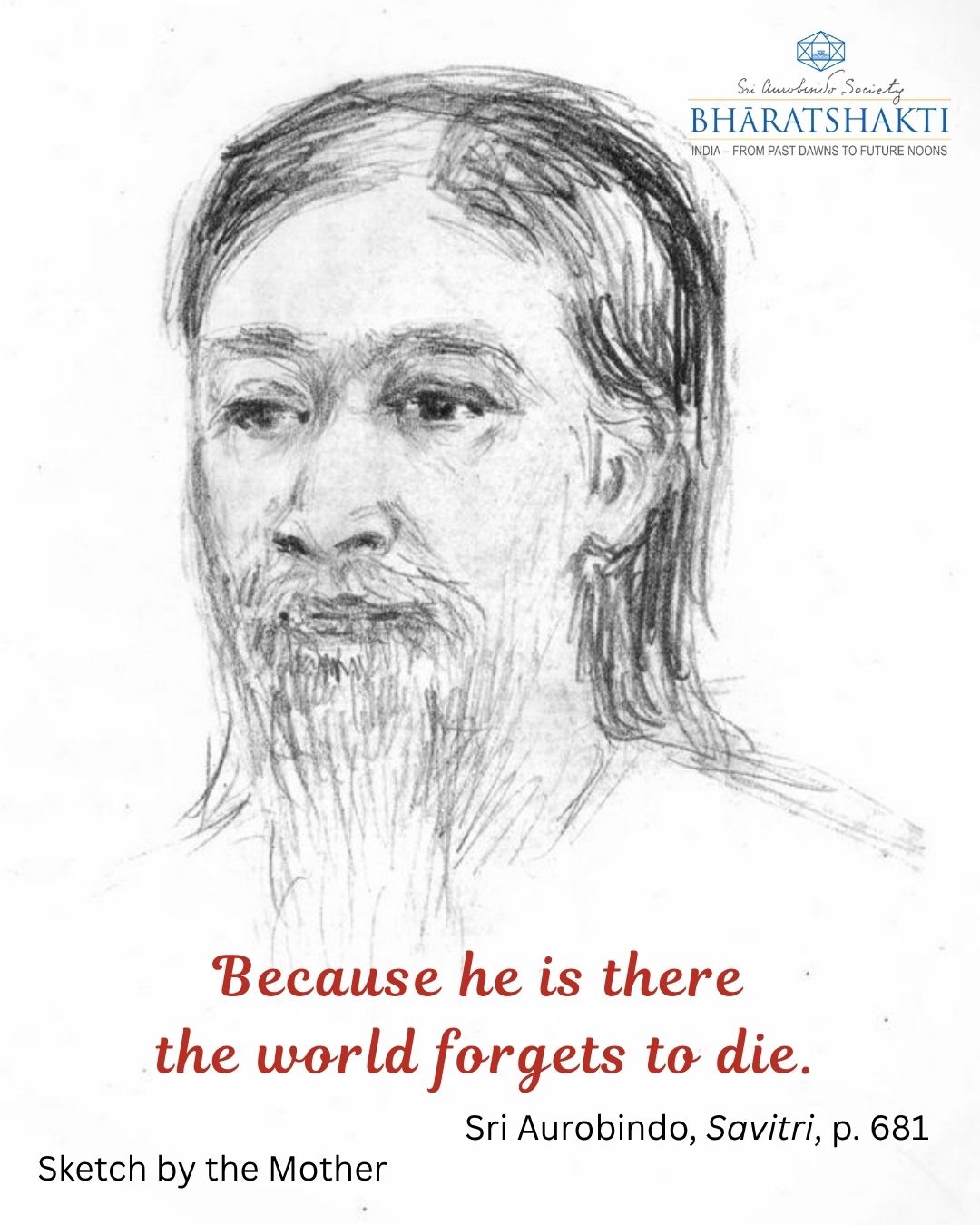
The home came later, and it arrived as a widening rather than a replacement. Sanatana Dharma never asked me to trade one superimposition for another — it had no interest in cuffing me into a new ism. What it offered instead, through Sri Aurobindo and the Mother, was a different question entirely: not what do you believe, but how high are you willing to climb, and what are you willing to bring into the light on the way up.
For the first time, correctness was not the point. Aspiration was.
The Vital Undertow
But ascent does not erase what sits underneath it. This is the part nobody tells you about a homecoming like this. The old wounds don’t leave the moment you find a truer philosophy — they simply become visible in a sharper light. Some days I am genuinely at a high plane of consciousness: clear, wide, unafraid.
Other days I fall straight back into what Sri Aurobindo names the lower vital — the reactive, wounded, frightened layer of the being that still carries a mismatched childhood in it like a splinter that never fully worked its way out.
I have stopped being surprised by the swing. I try, instead, to meet the low days with art rather than avoidance. A poem instead of a spiral.
Tripura Rahasya and Gabor Maté
Lately I have been reading Tripura Rahasya alongside Gabor Maté1, which sounds like an odd pairing until you actually sit with both at once. One is a text on the architecture of consciousness and the illusoriness of the separate self. The other is a physician’s account of how trauma lodges itself in the body and the nervous system long after the event that caused it has ended.
Read together, they tell me something I needed to hear: the wound is real, the nervous system’s memory of it is real, and none of that contradicts the deeper truth that consciousness is vast enough to eventually hold and outgrow the wound. Maté gives me the vocabulary for what happened to the child. Tripura Rahasya gives me the ground the adult can finally stand on.
Somewhere in the middle of all this, I have also noticed how alone a genuinely spiritual person can be made to feel, in a culture that has mostly made peace with two options — rigid, unquestioning belief, or an equally rigid dismissal of anything that smells like faith.
Nietzsche said something like this once: whoever is not understood by their own time will always seem to have arrived too early, or from somewhere else entirely. I don’t say that to sound grand. I say it because it is genuinely lonely to be neither the believer your family wanted nor the atheist your friends expected, and to instead be something stranger — a free-thinking tantric taking his own inner life seriously in a world with no ready box for that.
A Free Thinker, on Paper
Article 25 of the Indian Constitution guarantees me freedom of conscience and the right to freely profess, practise, and propagate my religion. On paper, I am already free. In my own home, in my own society, I am not — not fully. I still find myself translating my sadhana into safer language before I can say it out loud, still find myself performing an identity at the dinner table that is not the one I actually carry.
Symbol and metaphor are not a stylistic preference for me. They are survival gear. I write in image and iconography because I have not yet found the room, or the person, willing to simply hear the plain version.
The Poem
That is where this poem came from — not from hatred of any person, and not as a verdict on an entire faith, only as an honest record of what a cage feels like from the inside, and what it costs a tantric to keep his practice alive inside a household and a society still shaped by an inherited theology he never chose.
A Pagan’s Cry
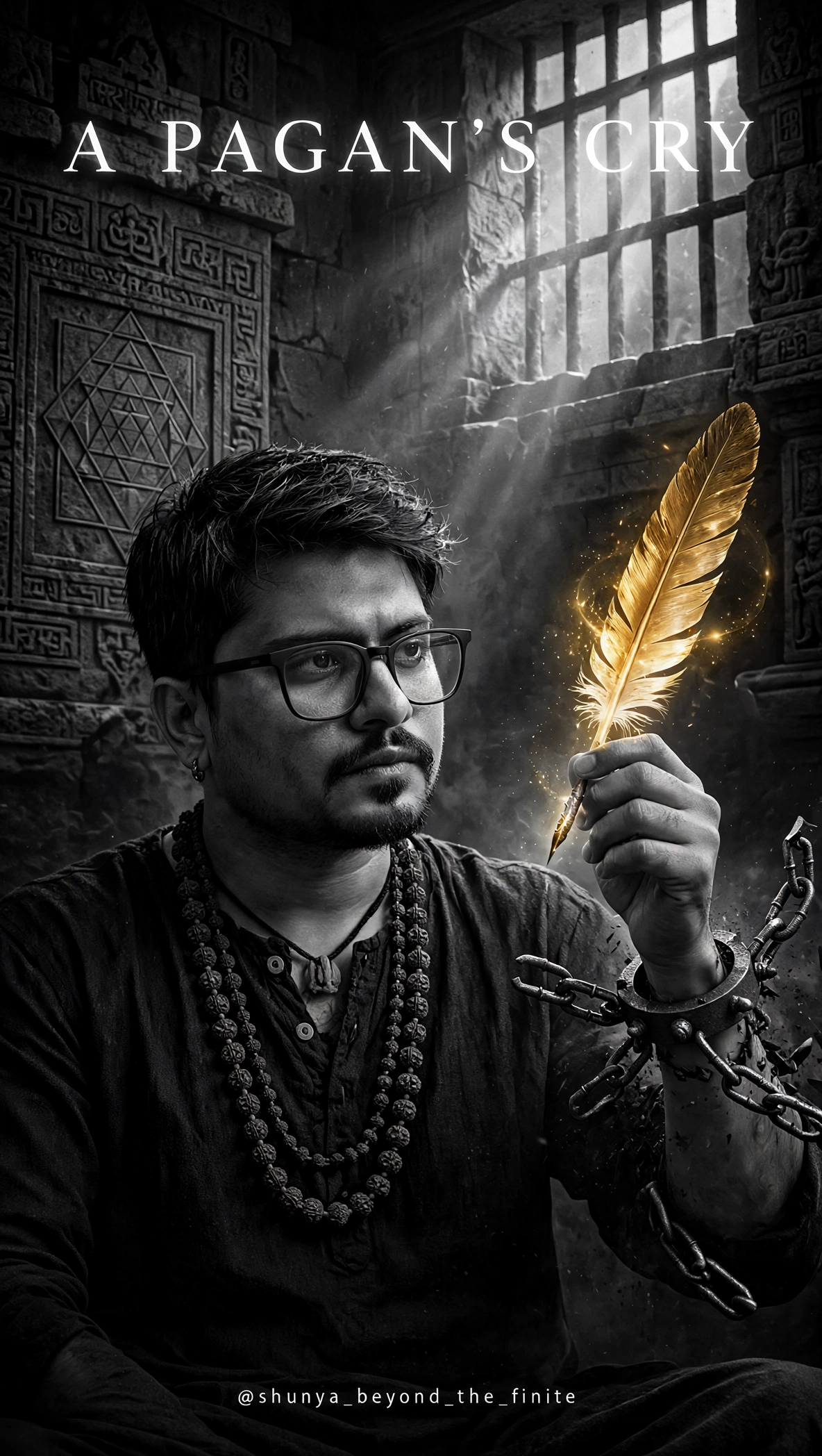
Deprived of all artistic freedom, stripped of all divine symbolisms;
Trapped in religious idiosyncrasies. Cuffed in isms.
What a destructive force did to my ancestors has its impact on me.
That was my true identity’s death knell.
A tantric suffers in an Abrahamic Hell.
A childhood so mismatched; a culture so alien.
Superimposed theology, it was a torment back then.
In a cage of oppressive Civilisation;
An eternal fight was fought.
The force of the Devi will return; Of Kaali and of Monosha will come.
So is the itihasa, so is the Ṛtam.
It’s a cosmic vengeance of the lord;
An alteration caused by pen, not the sword.
O Daiva, dwell, dwell, dwell!
Take me out of this theocratic cell.
— Shaheer ‘Shunya’
Not Seeking Acceptance
I don’t write these lines for acceptance, and I have stopped expecting a reader who will fully recognize what is being described here. I write because the alternative is to let the old wound run the show in silence, and I would rather let it run through a pen than through anything sharper.
Whatever the next flashback brings, whatever the next low vital day looks like, I intend to keep climbing toward the same aspiration that got me out of the first cage — not a new dogma, not a new ism, just the Divine, however slowly I manage to reach it.
Reference:
- The Myth of Normal: Trauma, Illness & Healing in a Toxic Culture — Gabor Maté & Daniel Maté ↩︎
Editor’s note: This blog was originally published by the author on Medium, 10 August 2026. It is reproduced here with author’s permission.
EXPLORE MORE
- Renaissance Archives: Religion and Yoga
- BhāratShakti Blog