
Date: February 17, 2026
Venue: National Dairy Development Board, Anand, Gujarat
Watch the Recording
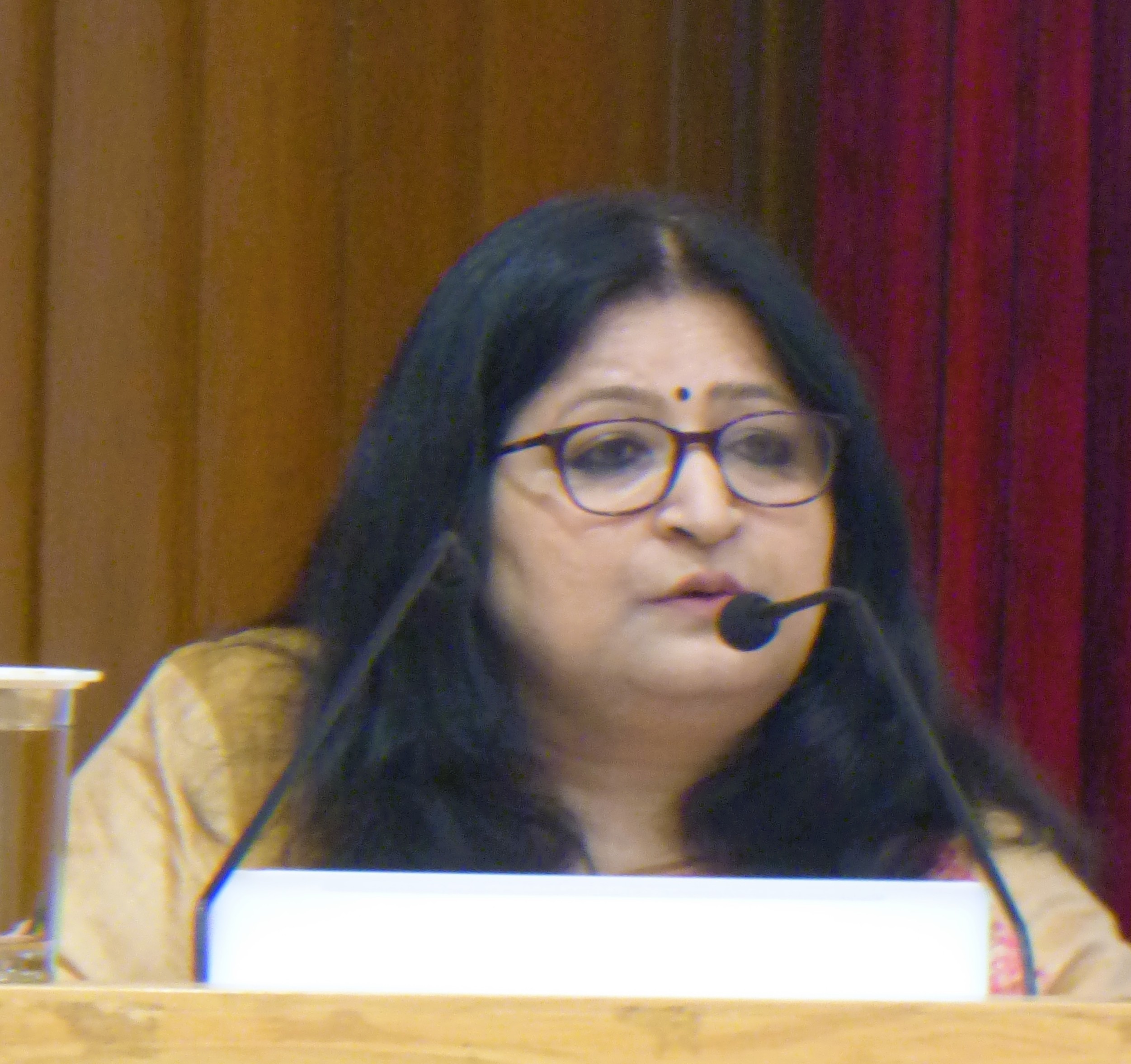
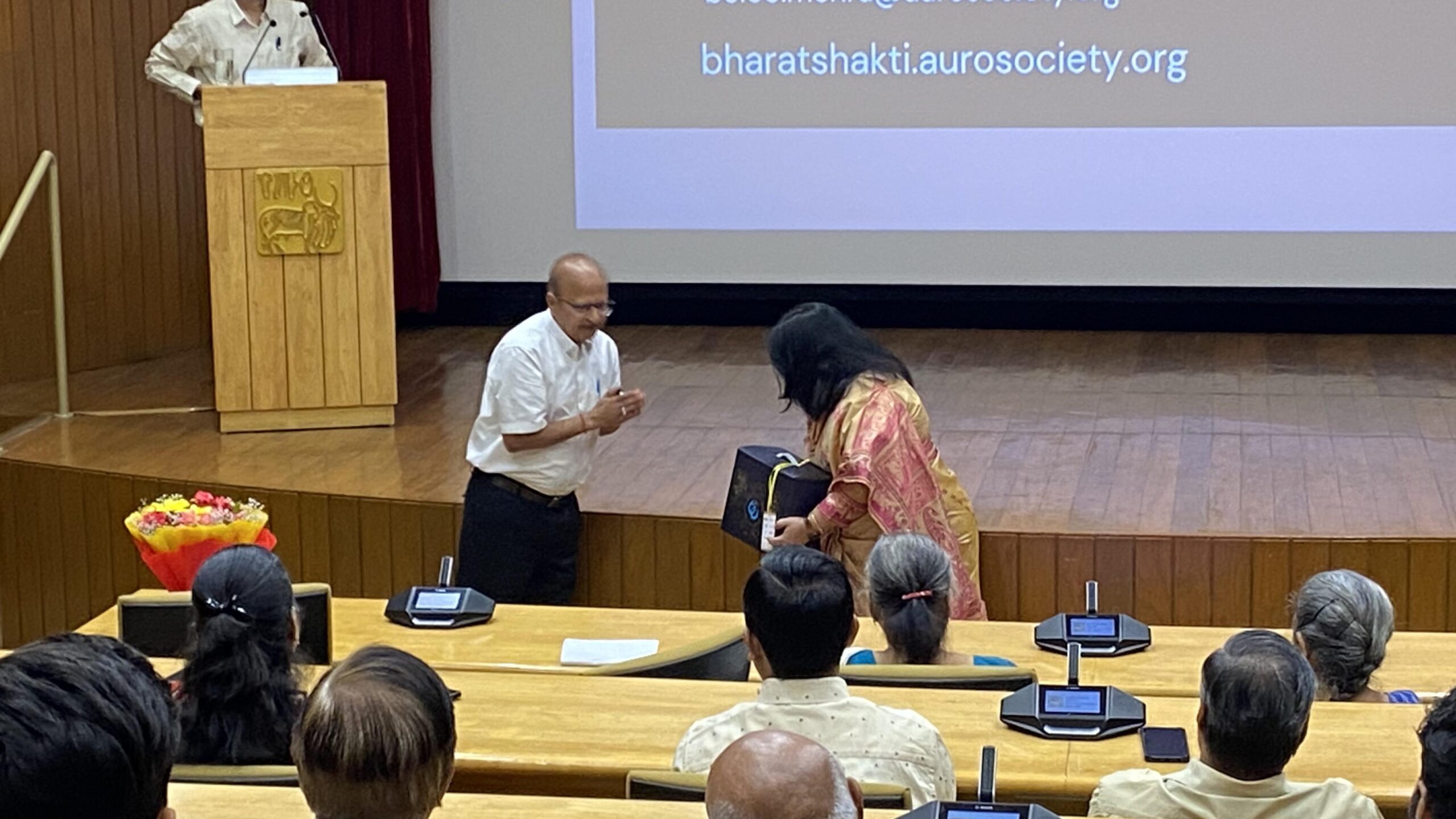
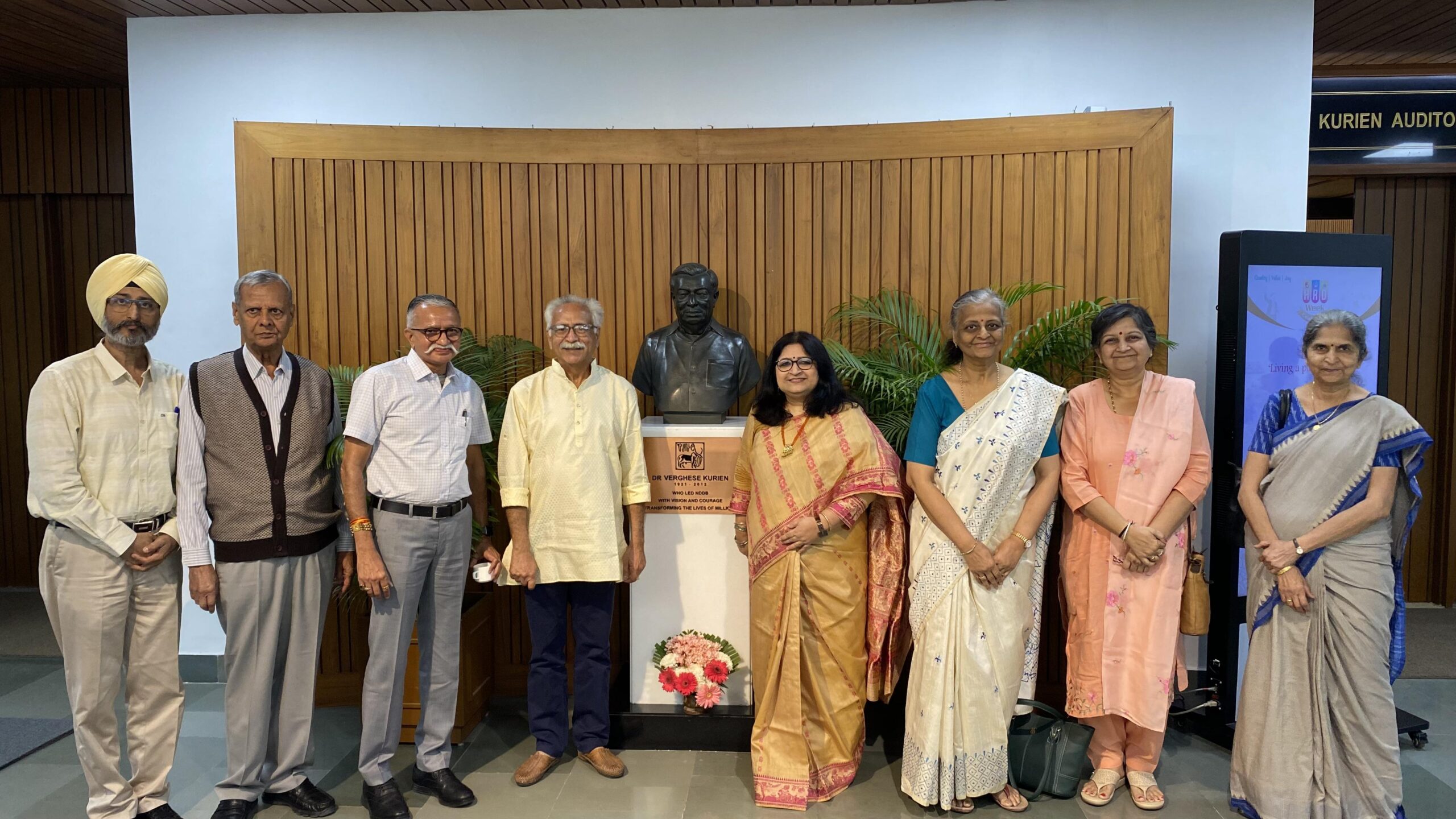
On February 17, 2026, Dr. Beloo Mehra, Director, BhāratShakti was invited to a special lecture at the annual Human Resource Development week (HRD) at the headoffice of National Dairy Development Board (NDDB) in Anand, Gujarat. NDDB is an institution of national importance created by an Act of Parliament of Govt. of India. Set up under the visionary leadership of Dr. Verghese Kurien in 1965, its committed team continues the great work in the spirit of excellence, innovation, and ethical nation-building.
Every year NDDB organises dedicated week-long HRD celebrations as part of the capacity building and employee motivation programmes. The theme of 2026 HRD Celebrations was Quality, Value, Joy. An important objective of this week-long programme is to encourage their employees to think a bit more deeply about life and work. It was in this regard that NDDB leadership team invited Dr. Mehra to speak on the topic – Living a Purposeful Life.
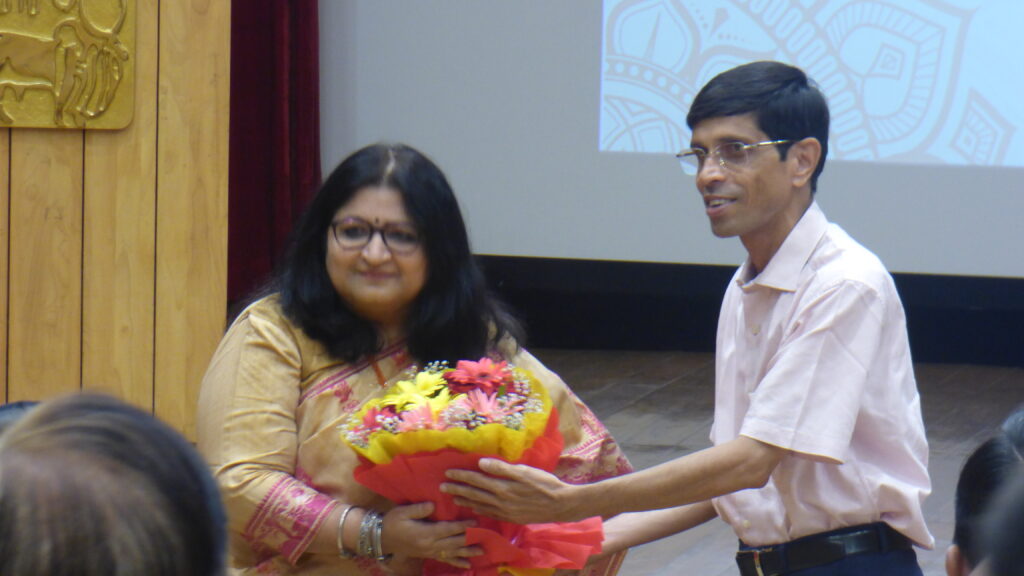
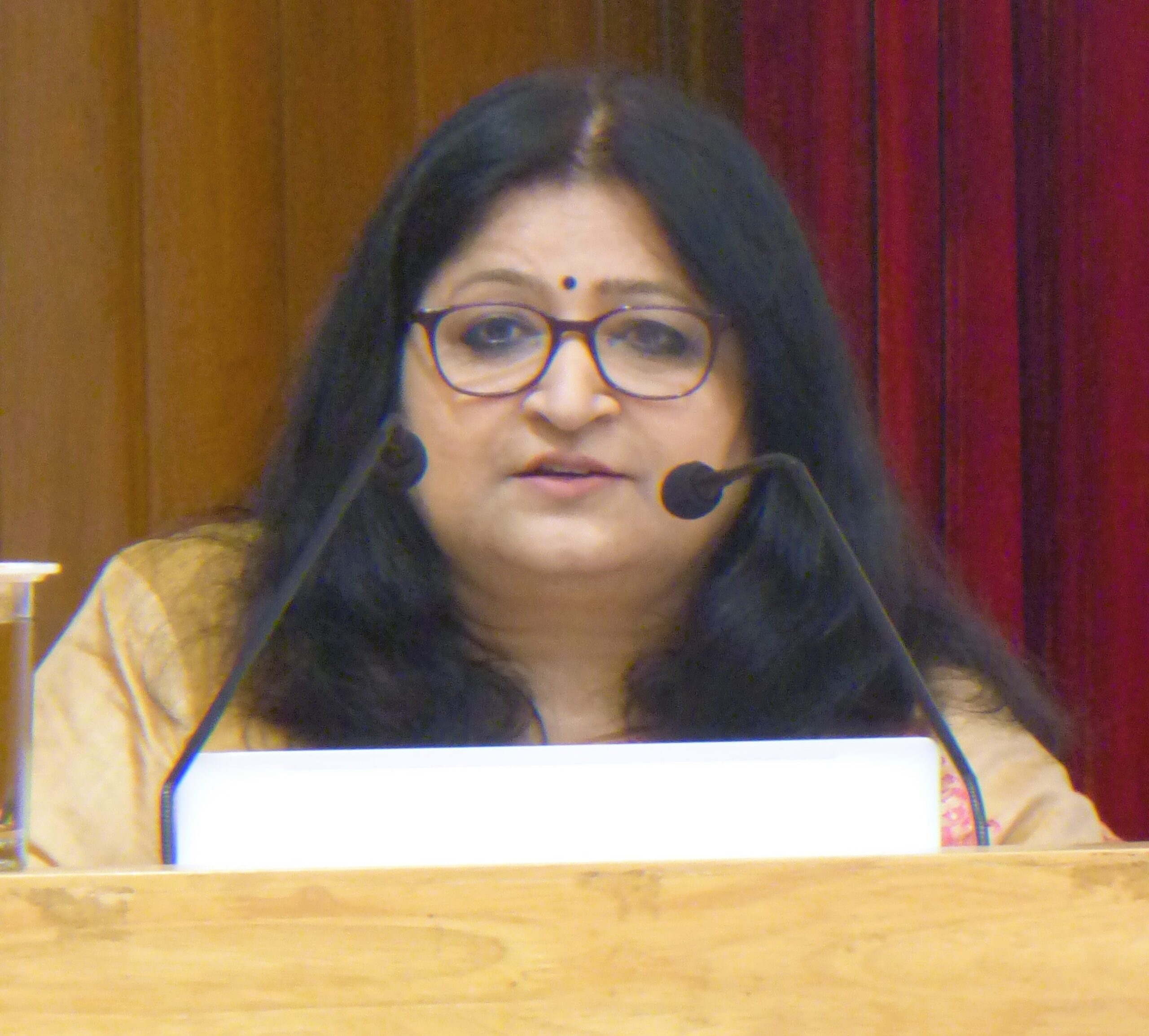
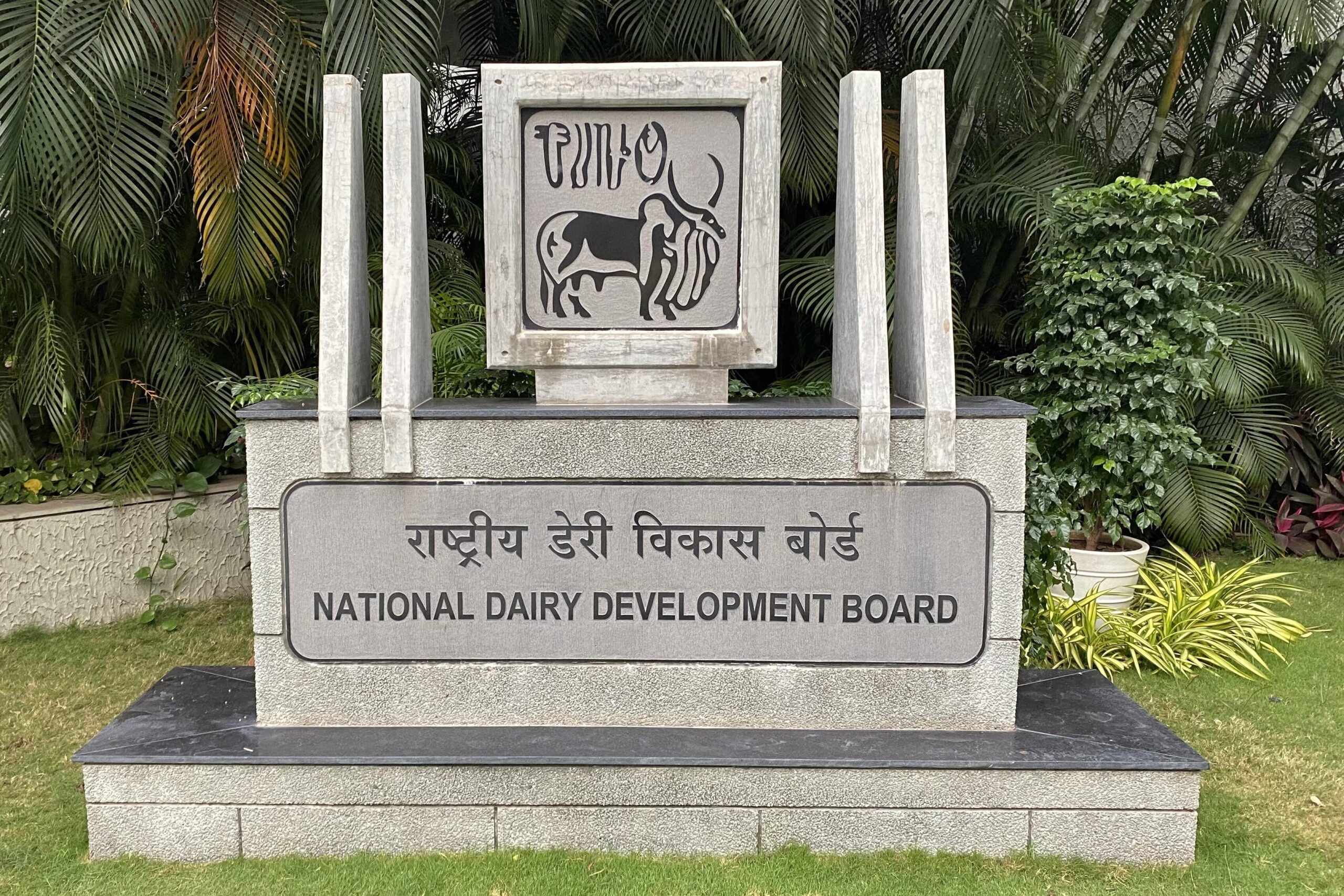
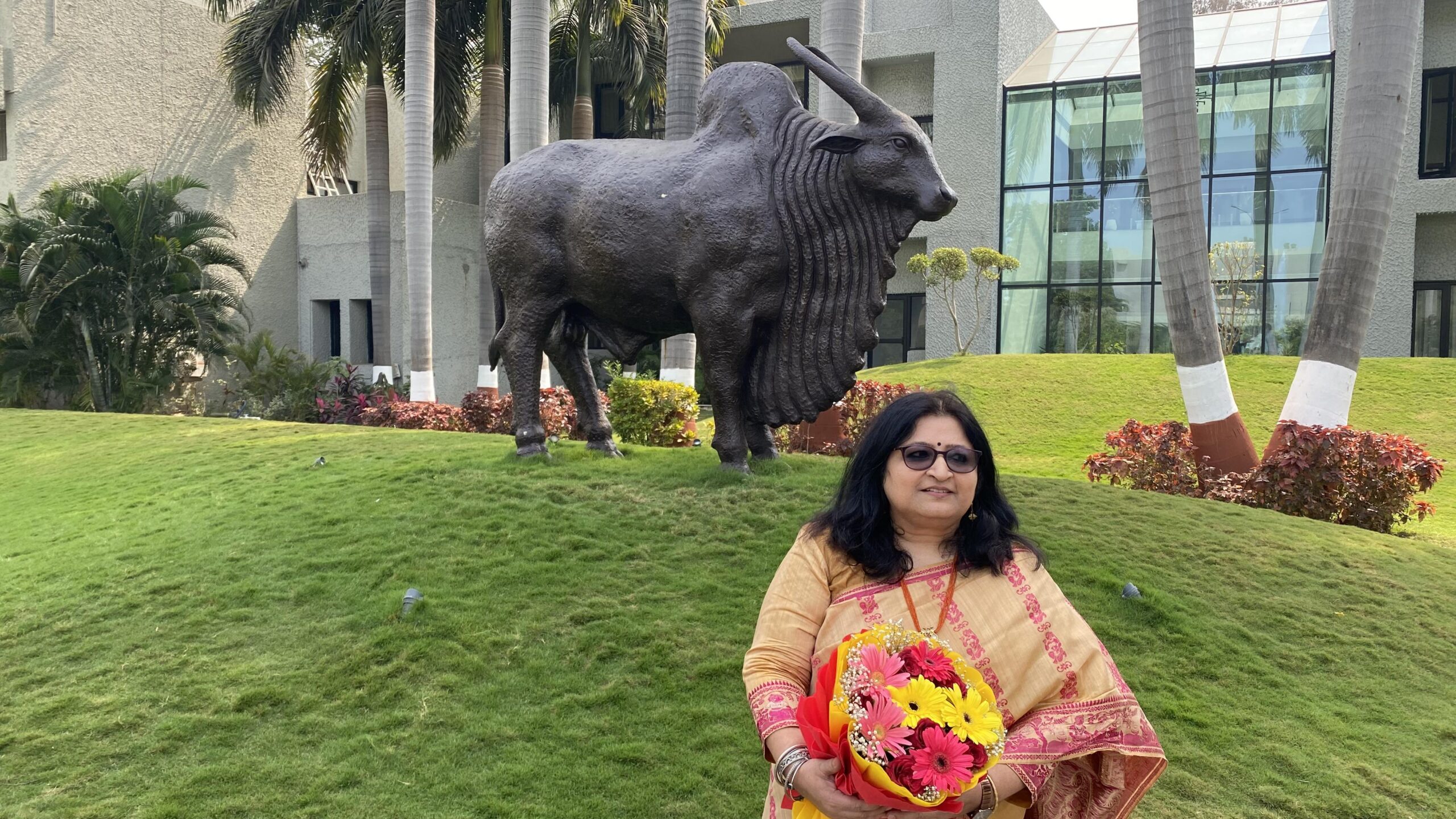
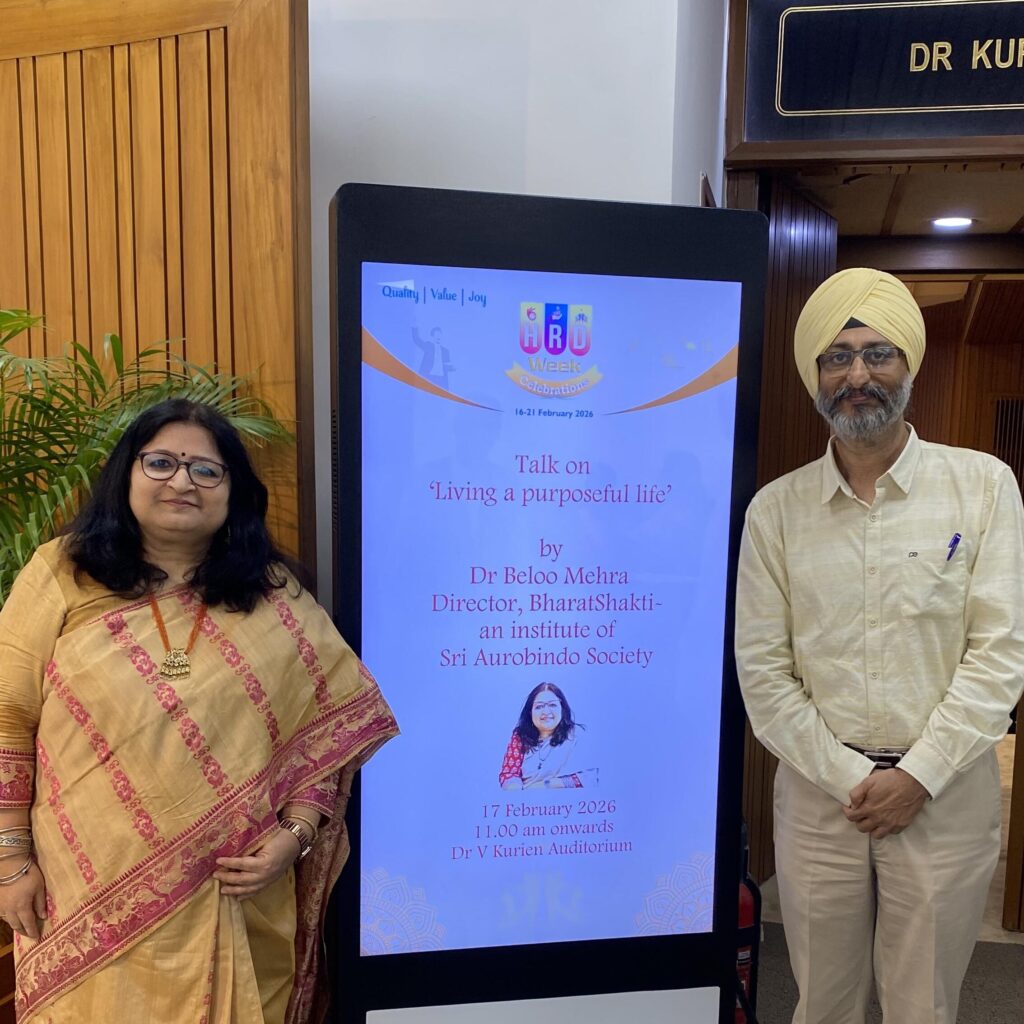
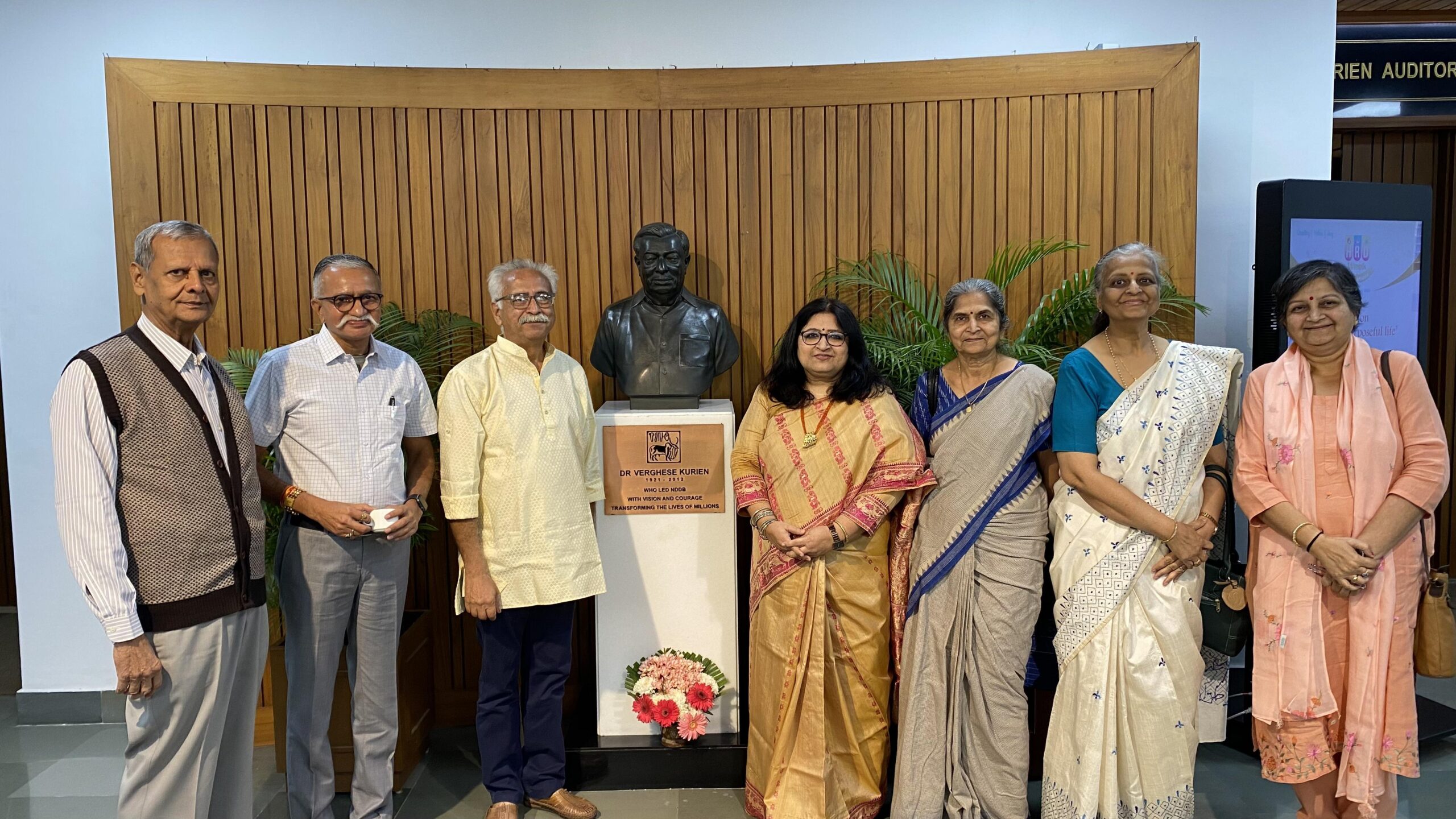
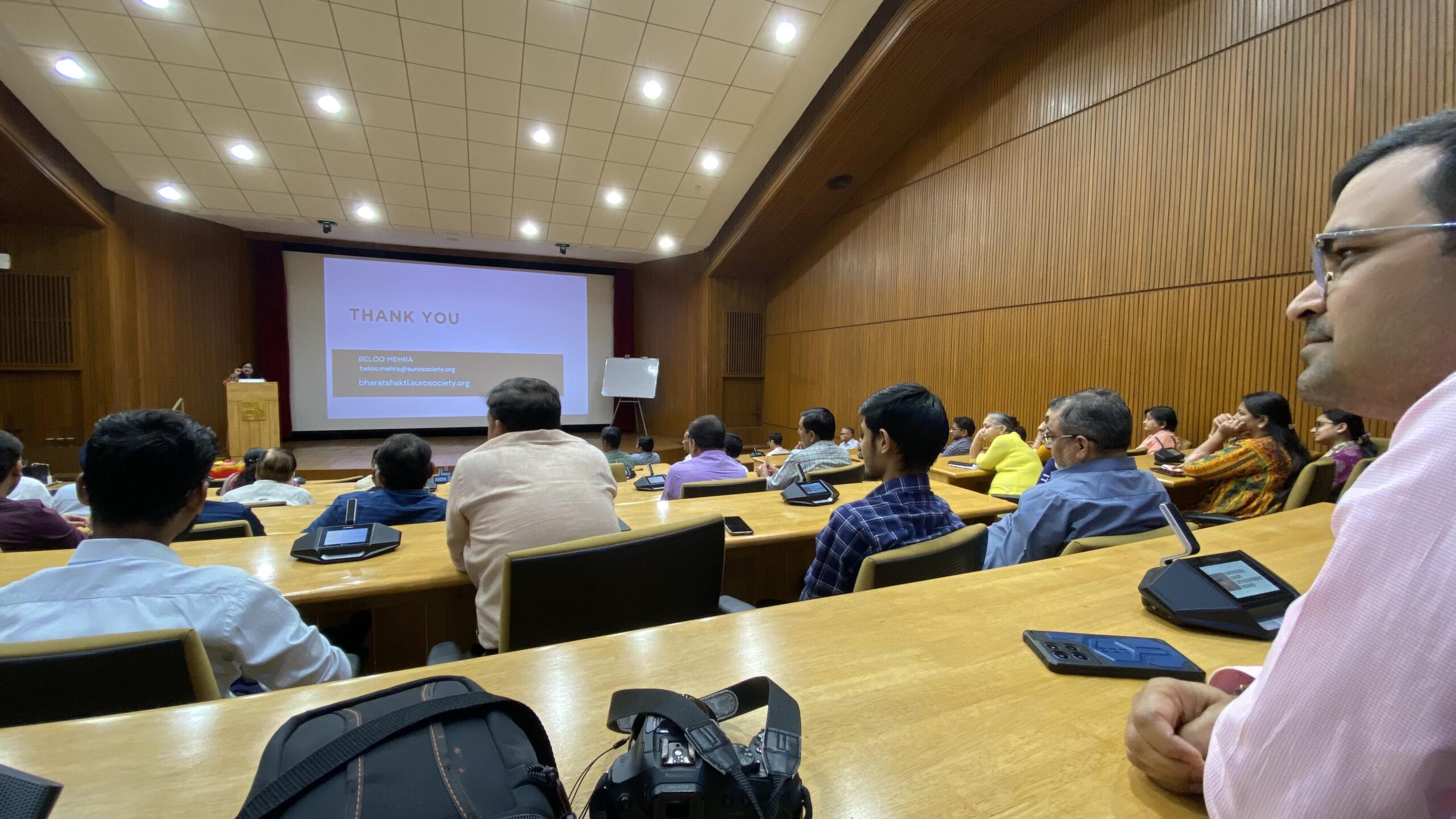
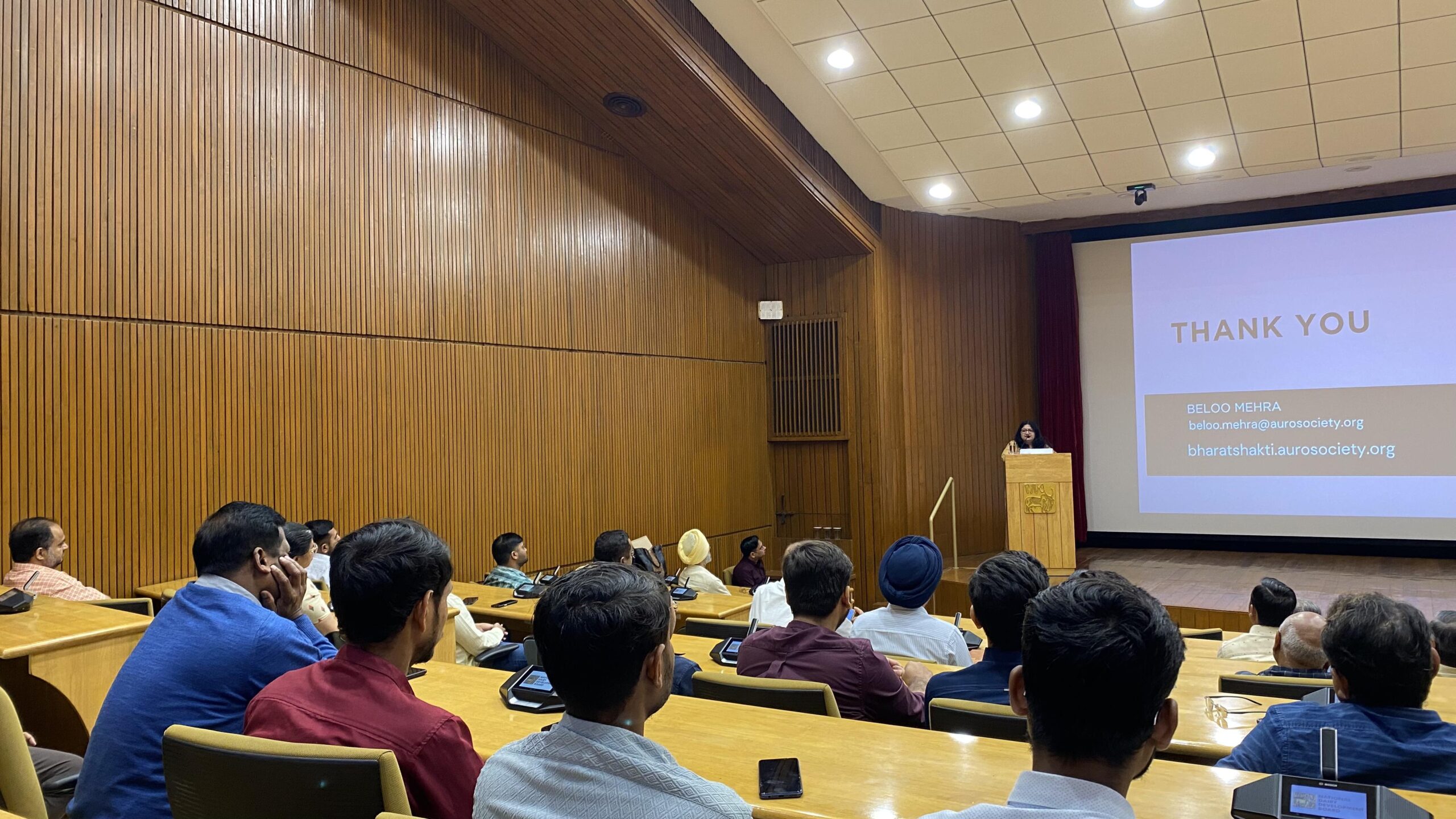
The special lecture was attended by about 75 people working in high level management and executive roles at NDDB. Similar number of audience from other offices of NDDB throughout India also joined virtually. Before the session, Dr. Mehra was given a visual tour briefly highlighting the illustrious history and work of NDDB for the last 60 years.
The programme began with an initial welcome remarks and a brief introduction by Dr. S. S. Gill, the Director of NDDB Human Resource Division, Dr. Mehra began her address by thanking the organisers for inviting her for this special opportunity. She opened her talk by invoking the Mother’s words suggesting that an aimless life becomes miserable without a guiding ideal. The quality of one’s aim determines the quality of one’s life, highlighting the need for clarity and depth in one’s aspirations. She pointed out that progress—not happiness—is presented as the true goal of life, captured in the call “चरैवेति—Onward, onward…” toward ever-unfolding growth.
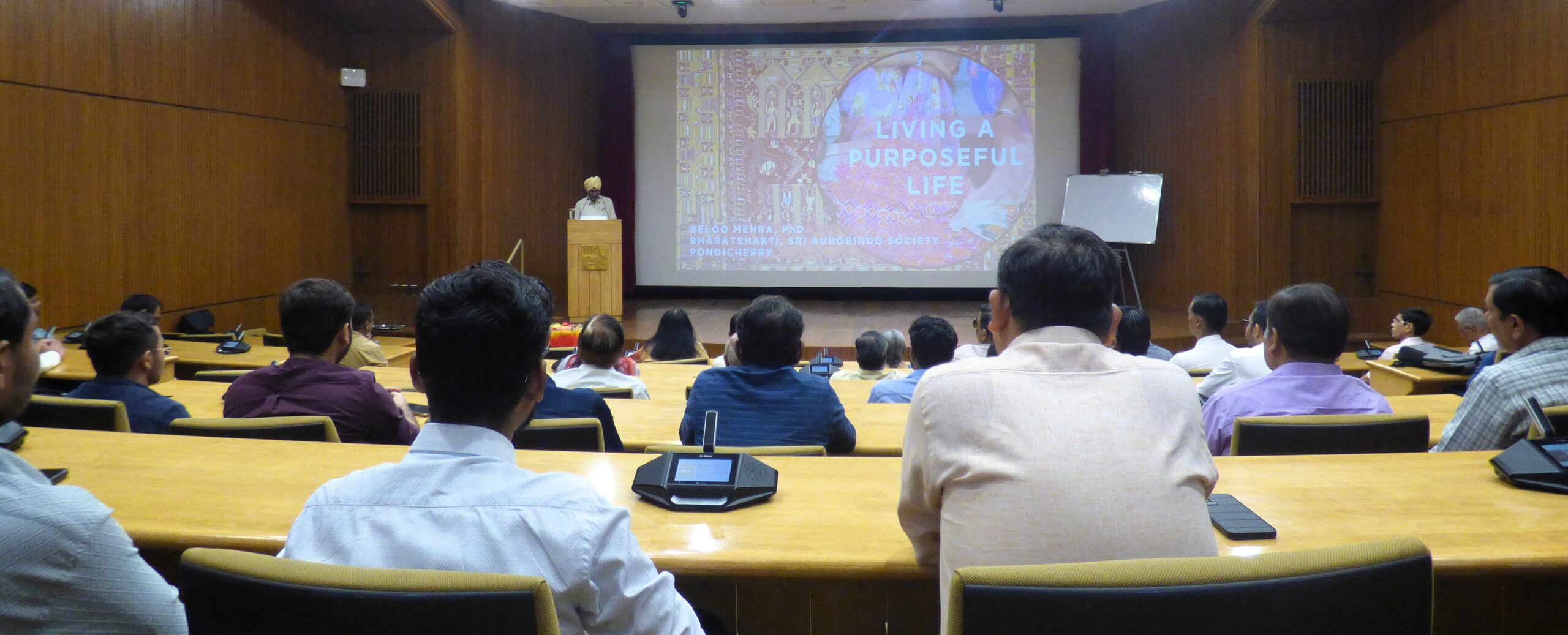
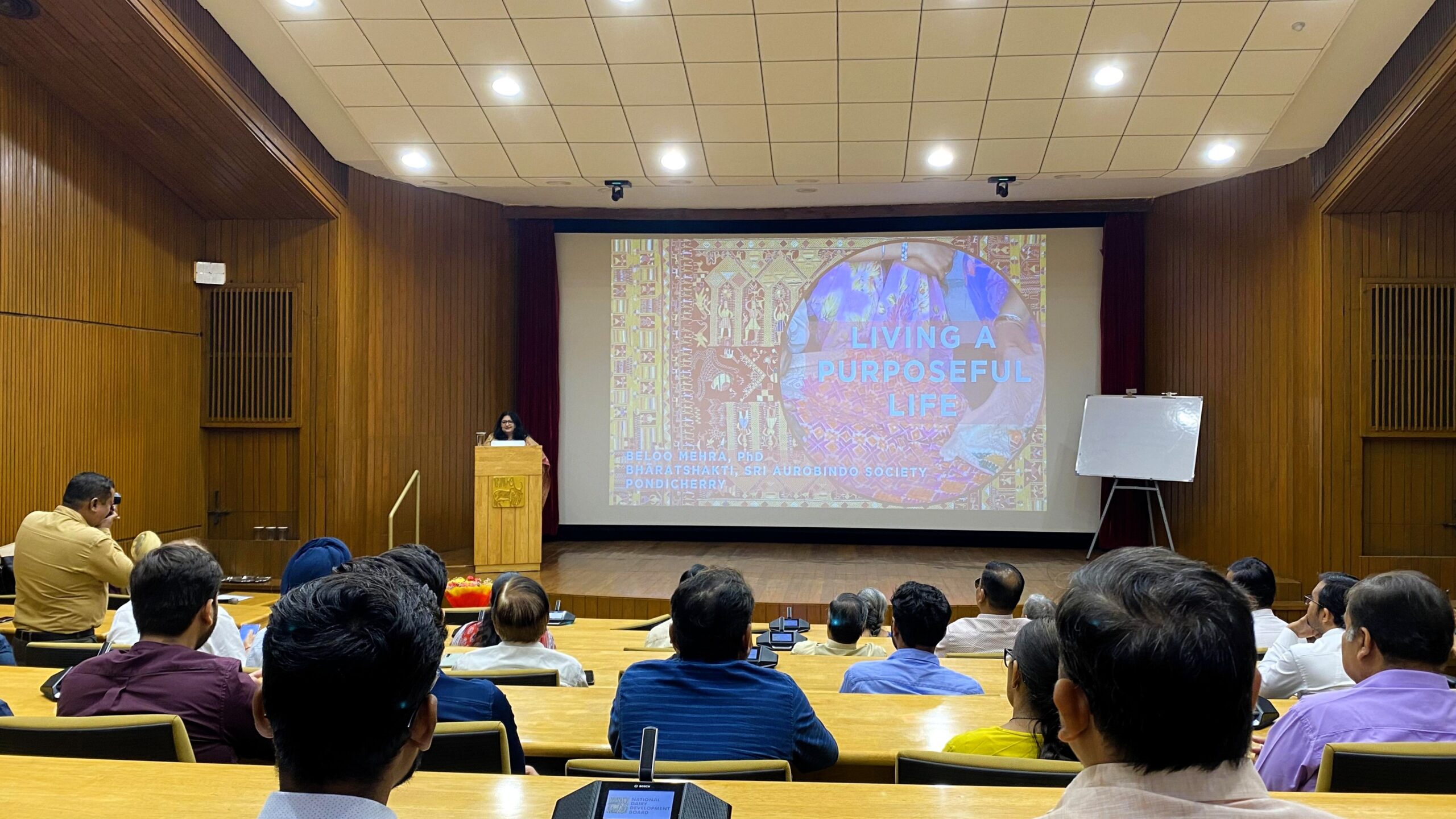
According to the Indian Spiritual Tradition, life’s purpose is framed as finding and serving the Divine. But Divine is not only some abstract, out-of-reach concept or an external authority sitting somewhere far away. Nor this term should only be related with some specific religious belief or creed or some spiritual tradition or philosophy, said Dr. Mehra. It can be understood in ways closer to our level of perception or conception. Dr. Mehra suggested that our conception of Divine may be:
- The highest ideal we can give ourselves to
- The highest conception of perfection we can imagine
- Not perfection as excess, but perfection as balance and harmony
And above all, it is ānanda—a deep, steady delight in being. Not excitement. Not pleasure. But a quiet fullness that comes from alignment.
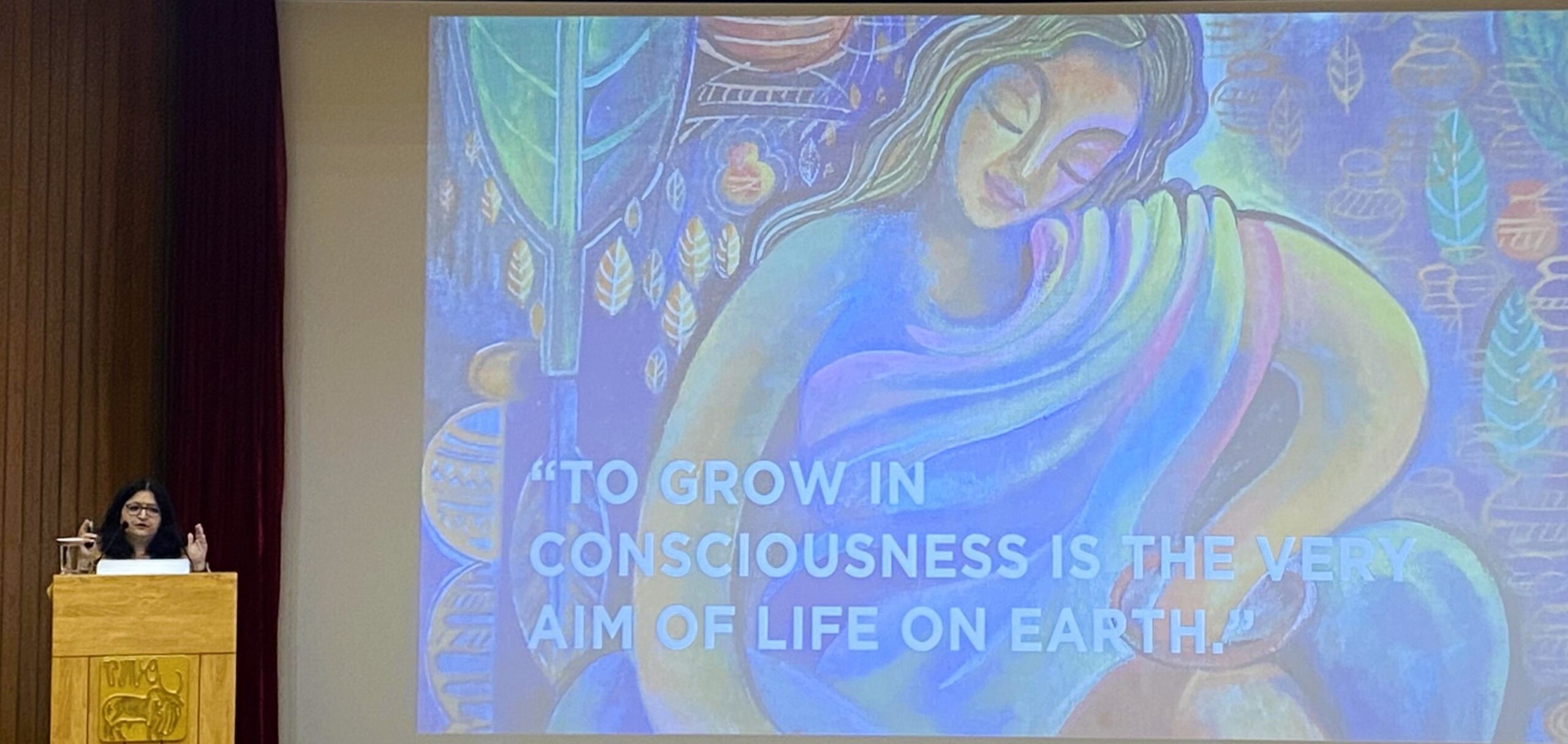
Dr. Mehra then said that one way to frame purpose can be this: Life—and work—exist so that we may discover and serve something higher than our ego. In professional terms, this “higher” could be: Excellence beyond minimum standards; Service beyond self-interest; Integrity beyond convenience; Contribution beyond personal gain. Purpose begins when work stops being only about what I get and starts including what I give.
To examine the quality of our aim, Dr. Mehra proposed that we can ask four simple questions:
- What is the aim of life as a whole?
- What is the aim of my individual life?
- Is my aim static, or is it evolving as I grow?
- Does my aim include all parts of me, or only some?
These questions are not meant to be answered quickly. They are meant to be lived with.
Dr. Mehra then briefly explained that at its deepest level, life has a single aim: To grow in consciousness. We see this growth in Nature – From Matter to Life, More Complex Life Forms, then Mind – with the coming of human beings. But it is not only a growth in outer form, rather a growth in faculties of consciousness. It can also be understood as growing towards a greater and higher ranges of consciousness. In our human terms, we can also understand this growth in consciousness as: To become more aware, more integrated, consciously growing towards the higher and deeper truth, allowing the higher truth to gradually unfold within.
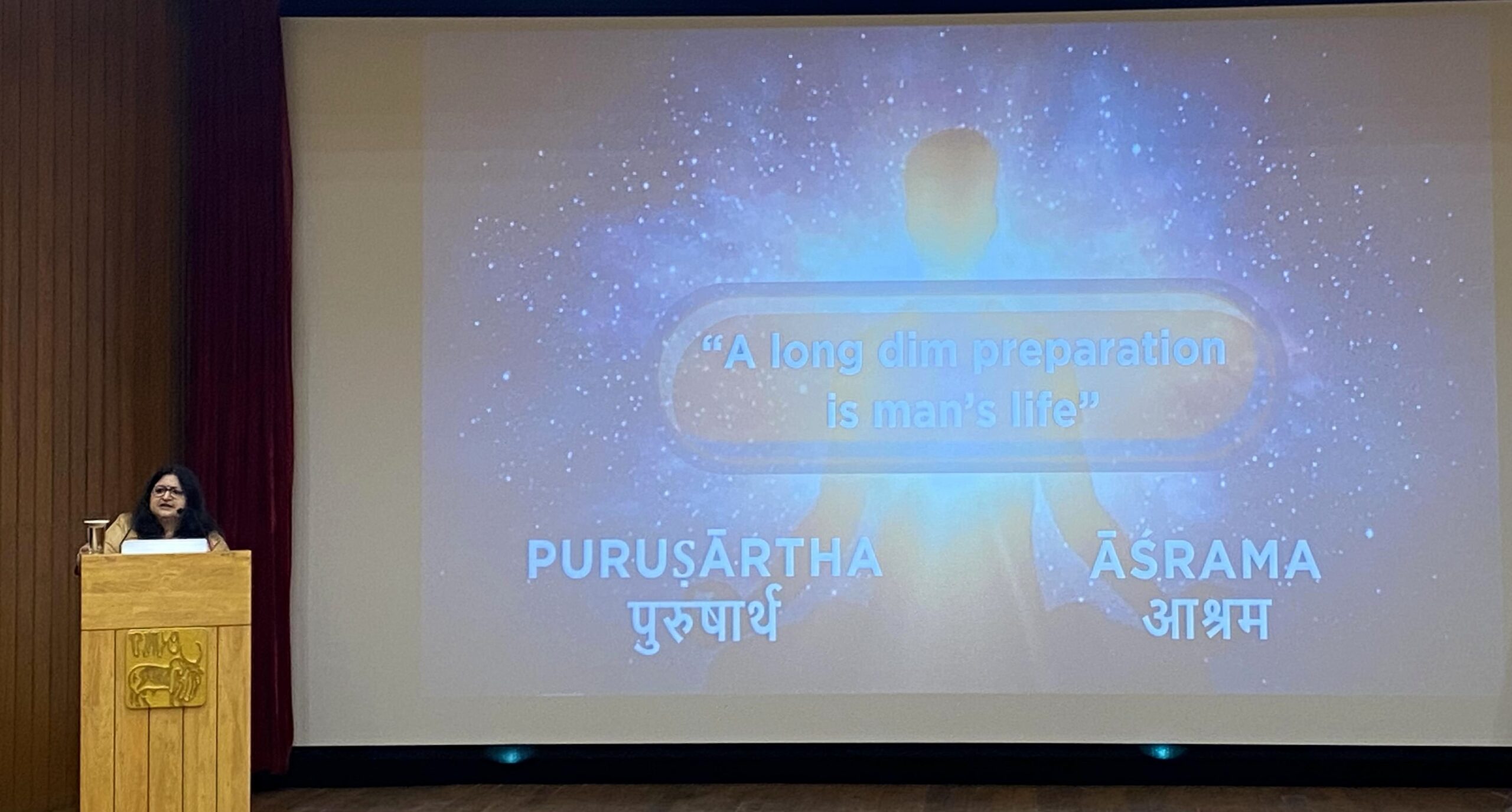
Every experience—pleasant or painful—is part of this schooling, said Dr. Mehra. As Sri Aurobindo says so beautifully in his epic poem, Savitri: “A long, dim preparation is man’s life”. Life is a preparation, gradual or progressive unfolding of our truest, deepest purpose.
She explained that our ancients developed two systems to help us not merely understand intellectually but gradually progress through life – Purushartha – and Ashrama. At its deepest level, work is a field of growth. Every challenge develops something in us. Professional life is not a detour from inner growth—it is a training ground. We are all, in a sense, works in progress.
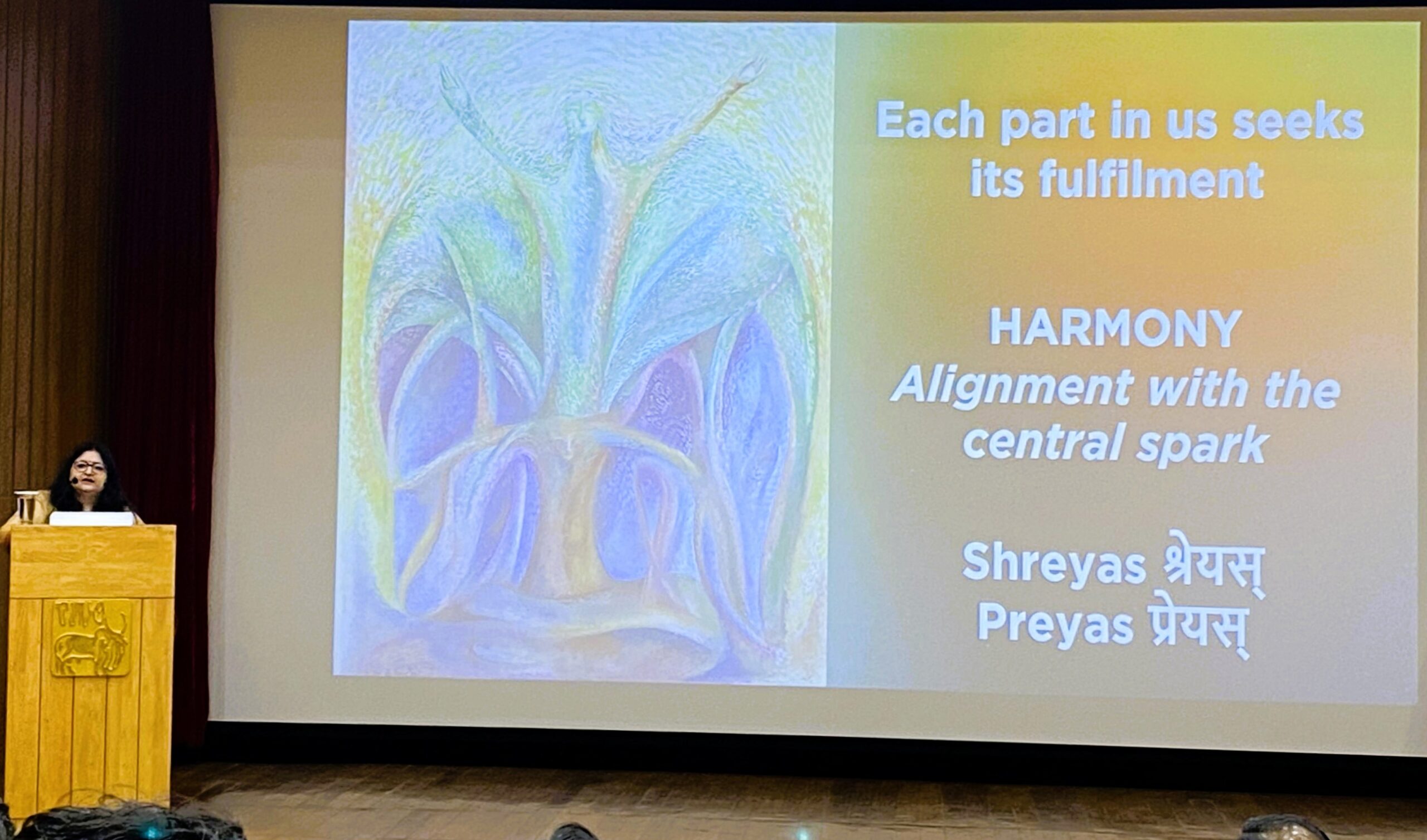
Each part of us – body, emotions, mind, deeper self — seeks fulfilment. The 4 purushartha-model was actually meant to help us fulfil the needs of these 4 parts within – physical, emotional, mental and psychic or spiritual, explained Dr. Mehra. She further pointed out that problems arise because inevitably these parts pull in different directions.
Having a deeper central purpose in life can bring alignment— alignment around what Indian tradition calls the spiritual part in us, also spoken of as central spark, or soul. Only by aligning ourselves with this deepest, hidden part within us, harmony replaces conflict. But it is not a simple or quick process, discovering this hidden true self within and aligning the other parts within us around that is the true aim of life.
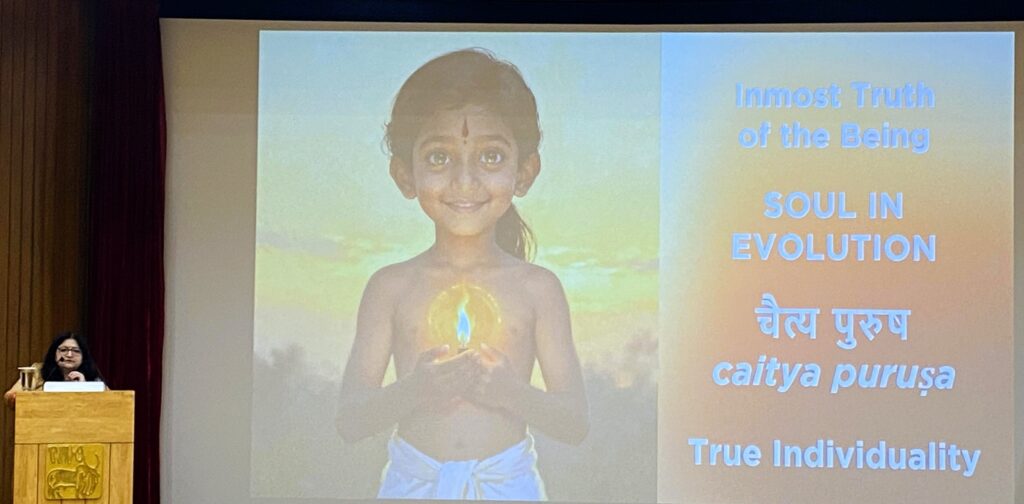
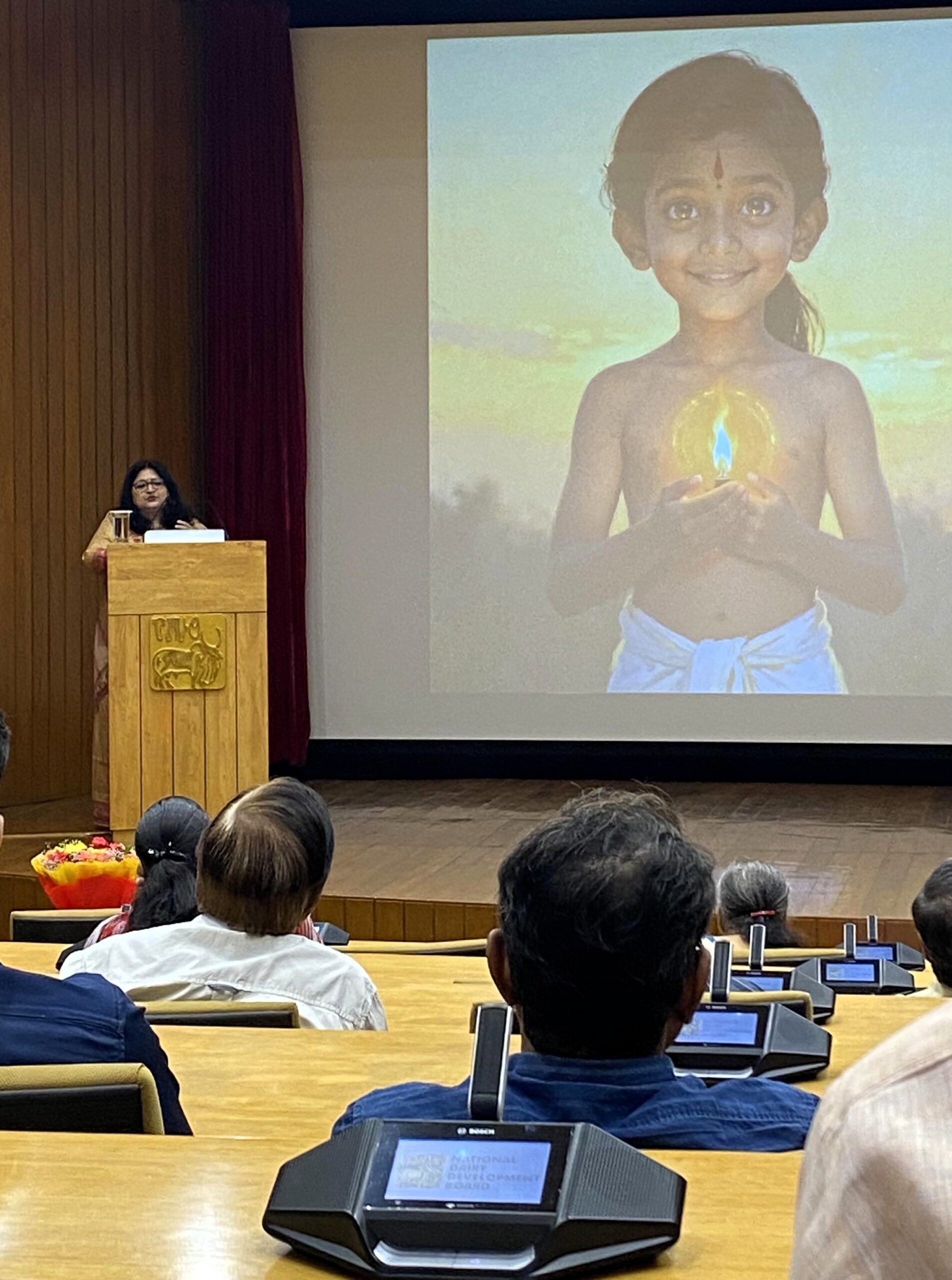
Through a simple explanation, Dr. Mehra pointed out that this hidden part in us can also be understood as the soul in evolution. This is the seat of our true individuality. It is not our outer personality. It is not our roles. But something much deeper, much truer, a spark, an amsha of the infinite and eternal, yet evolving through outer experiences, it is the inner truth that is slowly shaping this life. It is unique to each individual, just as two leaves on a tree are never alike. It expresses itself through the outer instruments of the body, emotions, and mind.
To live purposefully, said Dr. Mehra, is to cooperate with the growth and evolution of this psychic entity within so that it becomes the leader of our life’s march. It is this inner, true individuality that determines our swabhāva – our inner, true nature, according to which we gradually come to know our swadharma – our unique way of living truthfully in the world, our true calling.
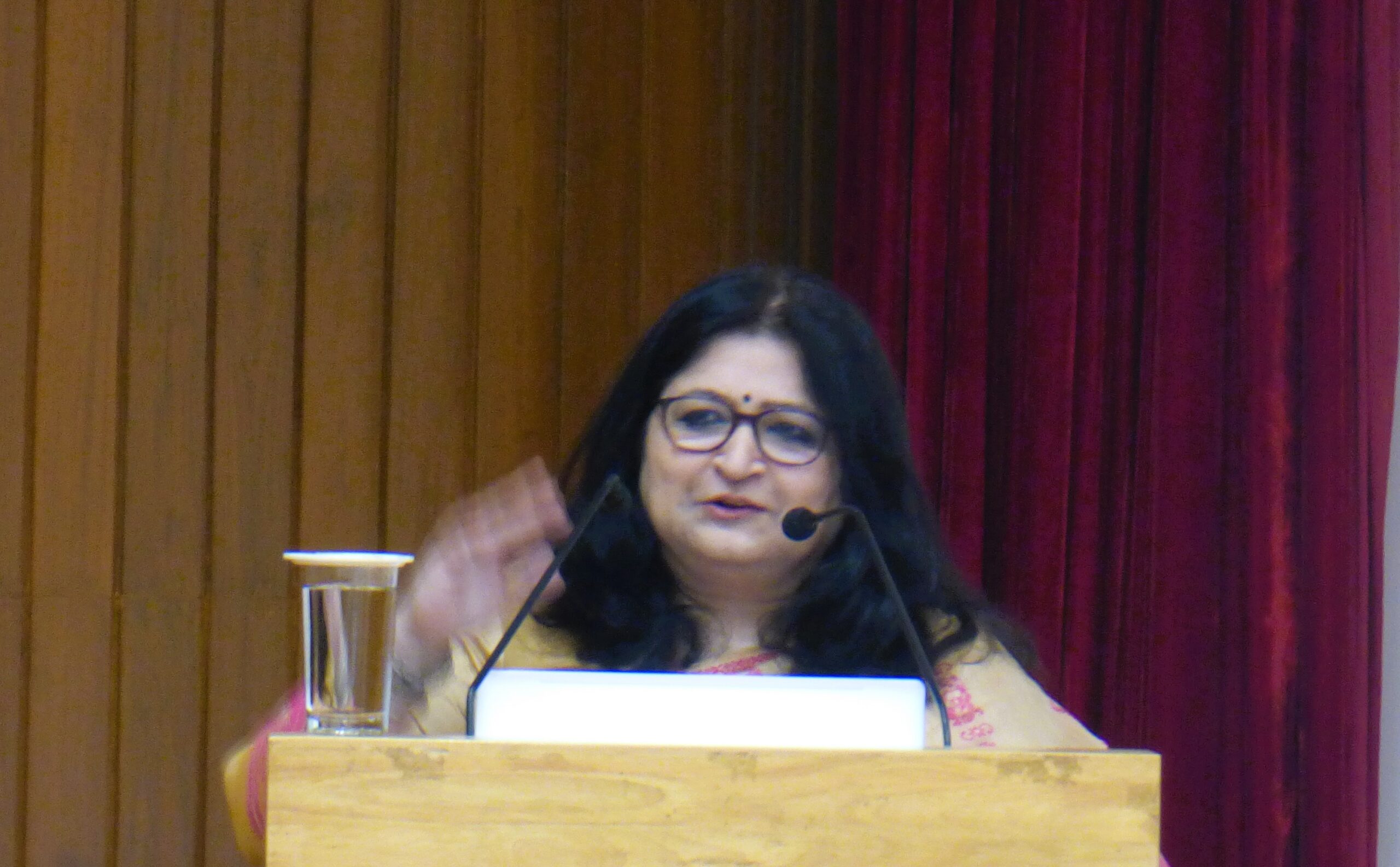
How do we begin to identify this central truth in us? Dr. Mehra proposed that we can start with an introspection – what Values are most important to me? As we listen inwardly, certain values begin to feel non-negotiable: Truth, Justice, Kindness, Courage, Compassion, Integrity, Beauty, Harmony These values are expressions of our swabhāva—our inner nature— and help us determine our swadharma – our unique way of living truthfully in the world.
Another point brought out by Dr. Mehra was that a purposeful life need not be one-dimensional. Knowing our swabhāva can help us identify which dimension we need to work towards more. A complete and harmonious development calls for fourfold progress: knowledge, strength, love & harmony, and perfection in work—doing small things well, consciously.
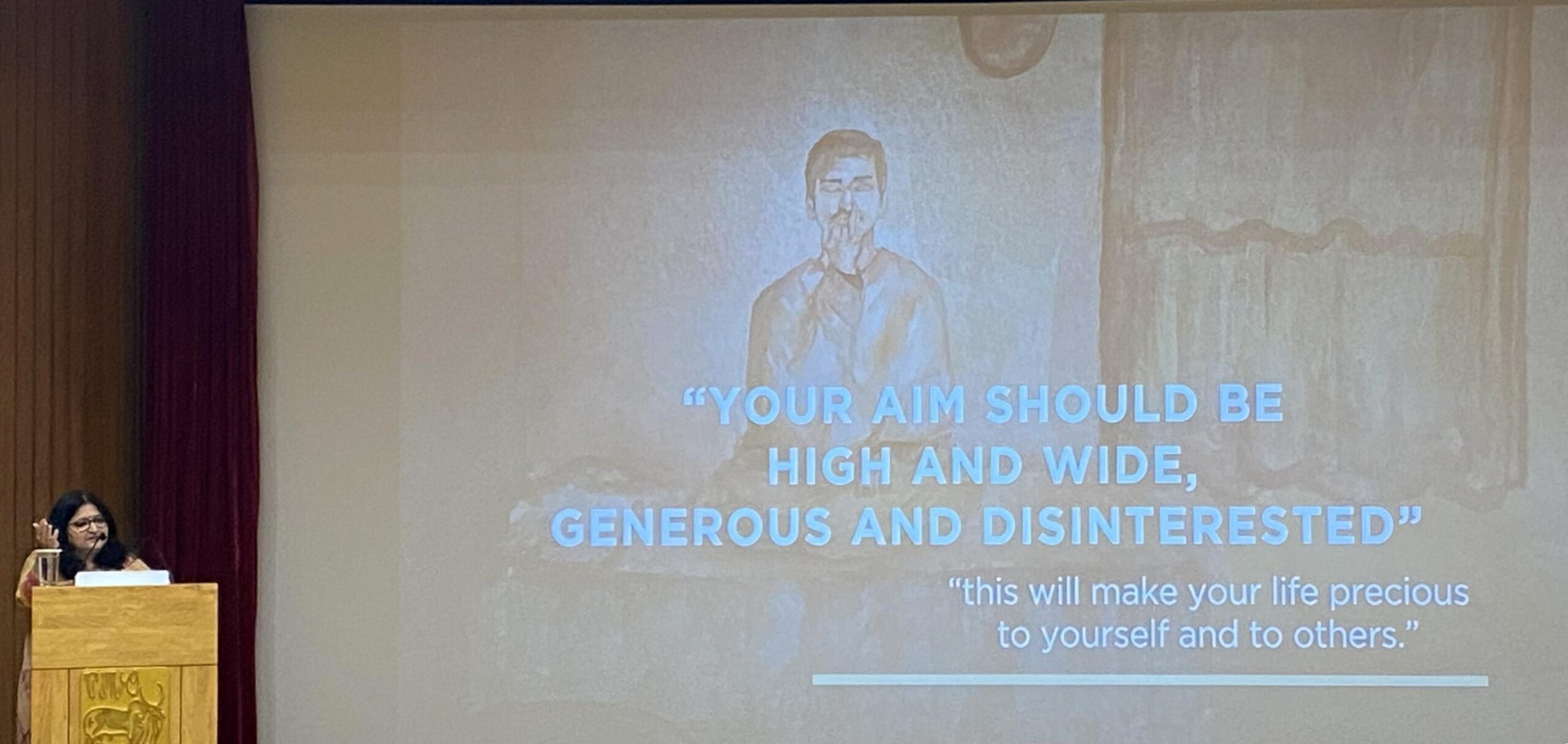
Dr. Mehra concluded her talk by saying that we must work toward an aim that is high, wide, generous and disinterested. Not centered on ego, but open to something larger than our little selves. Such an aim makes life precious—both to ourselves and to others. This is how we gradually raise the aim of our life from the ego to the Divine. And the way to do that is through cultivating soul qualities such as faith, sincerity, humility, and persevere with vigilance, dedication, and trust in grace.
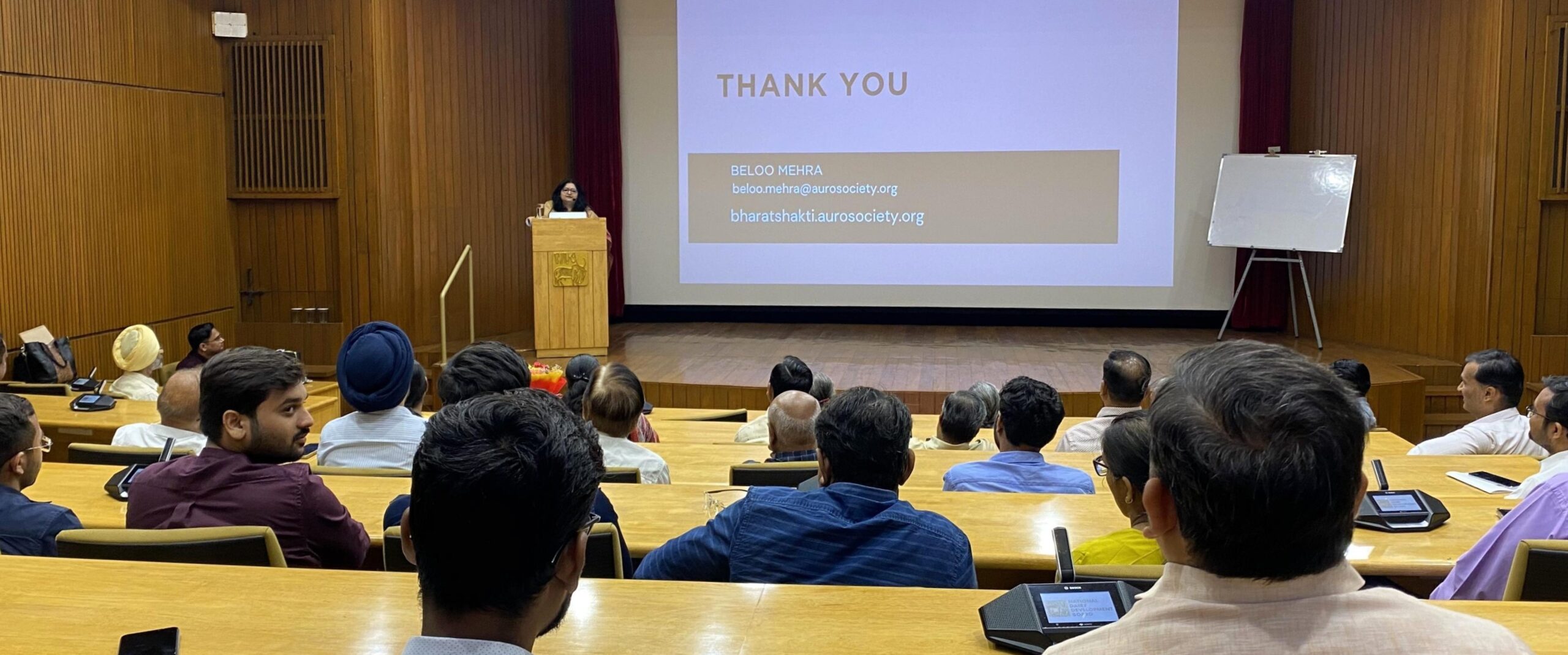
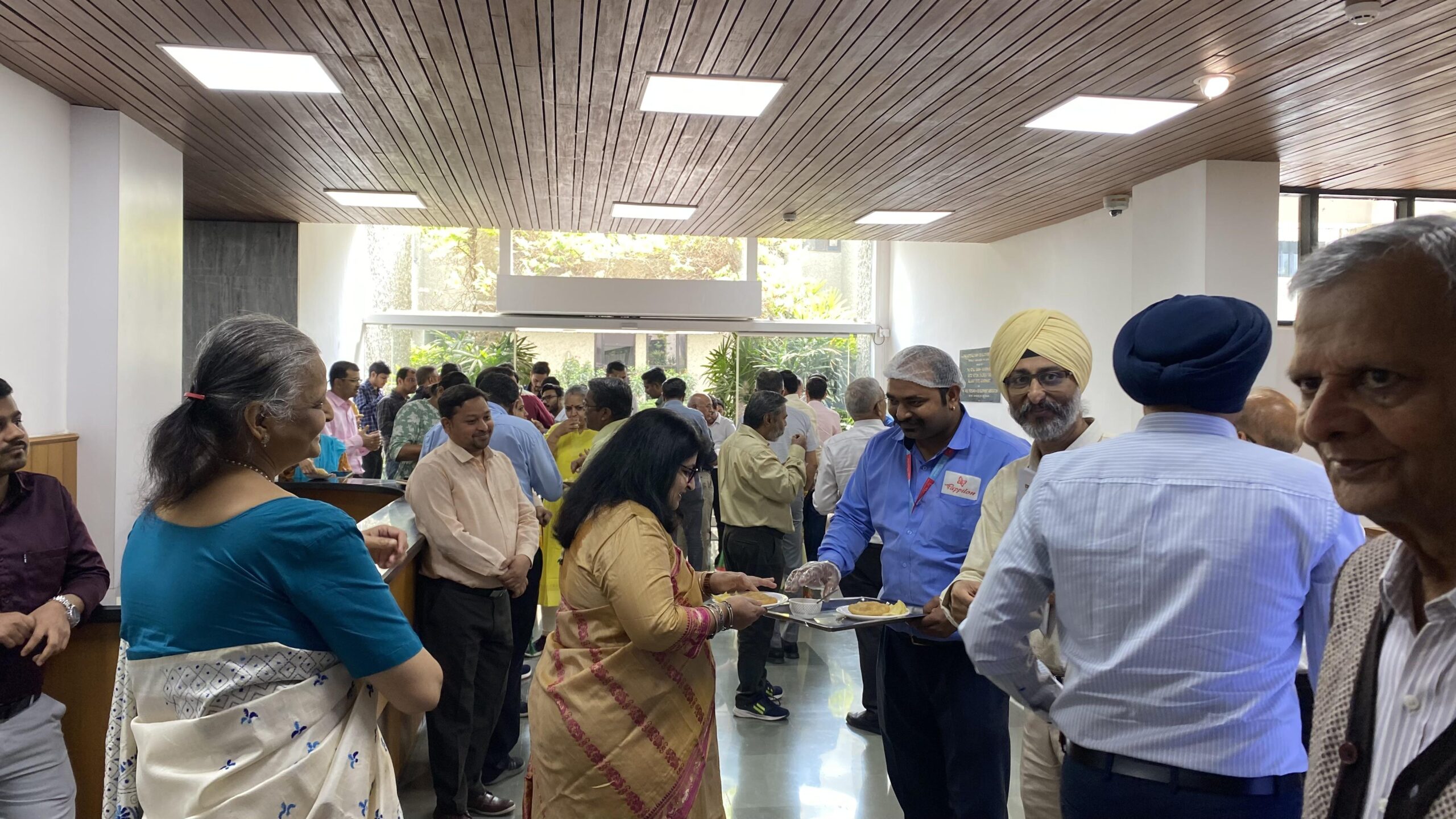
Throughout her talk, Dr. Mehra used relatable examples, stories, and anecdotes so that the audience could relate with the essential message of her address. Her talk was highly appreciated by the audience present. A brief but thoughtful Q & A session also happened after her lecture. After the official vote of thanks, a small refreshment was arranged for all.
WATCH
For more BhāratShakti talks, see HERE.